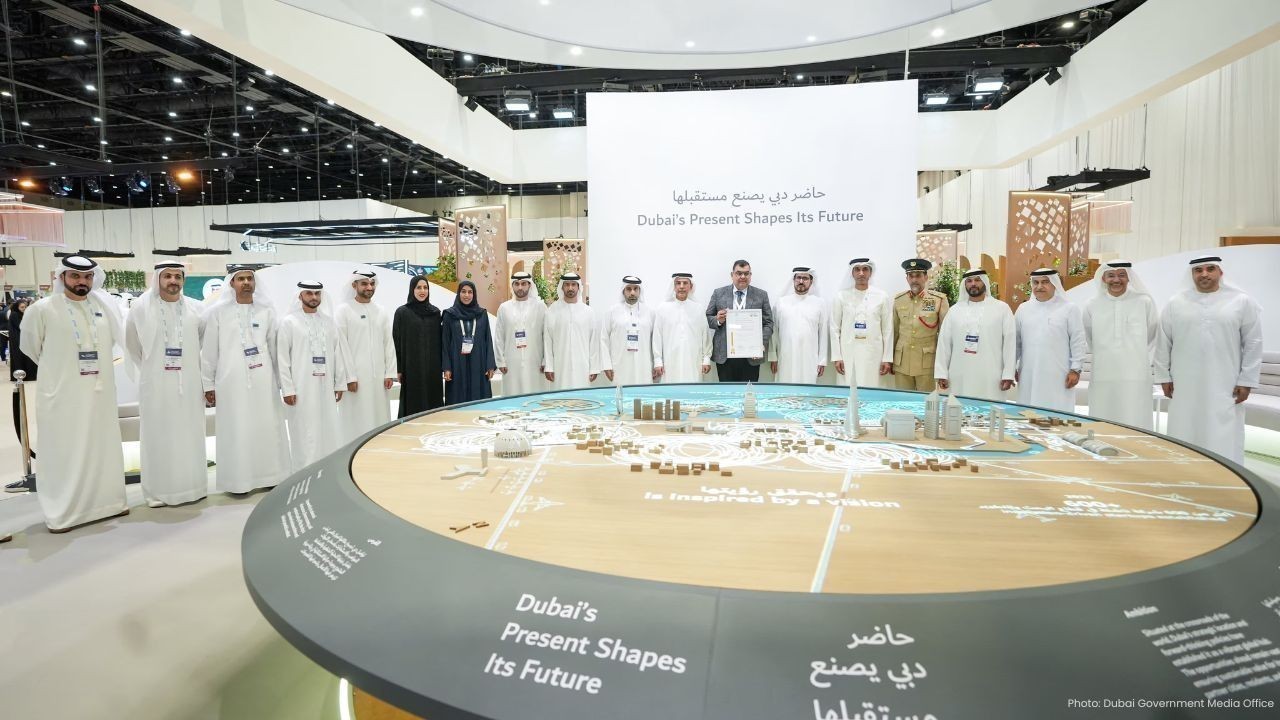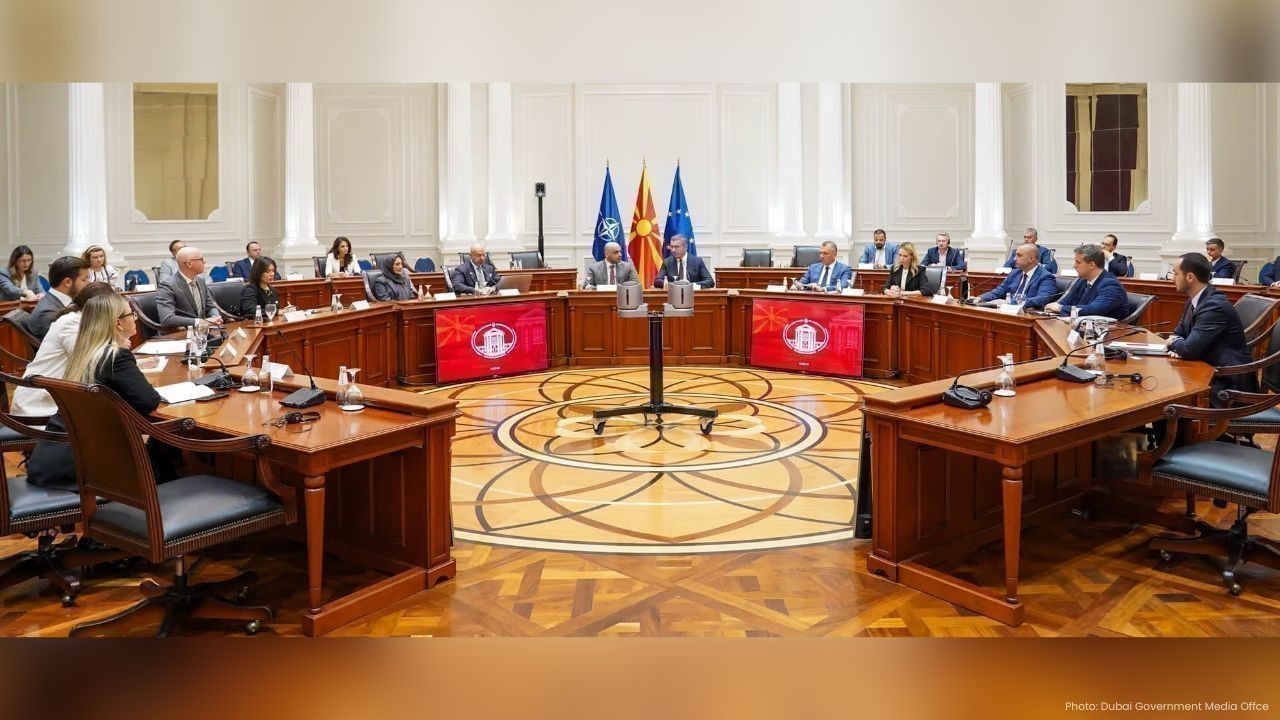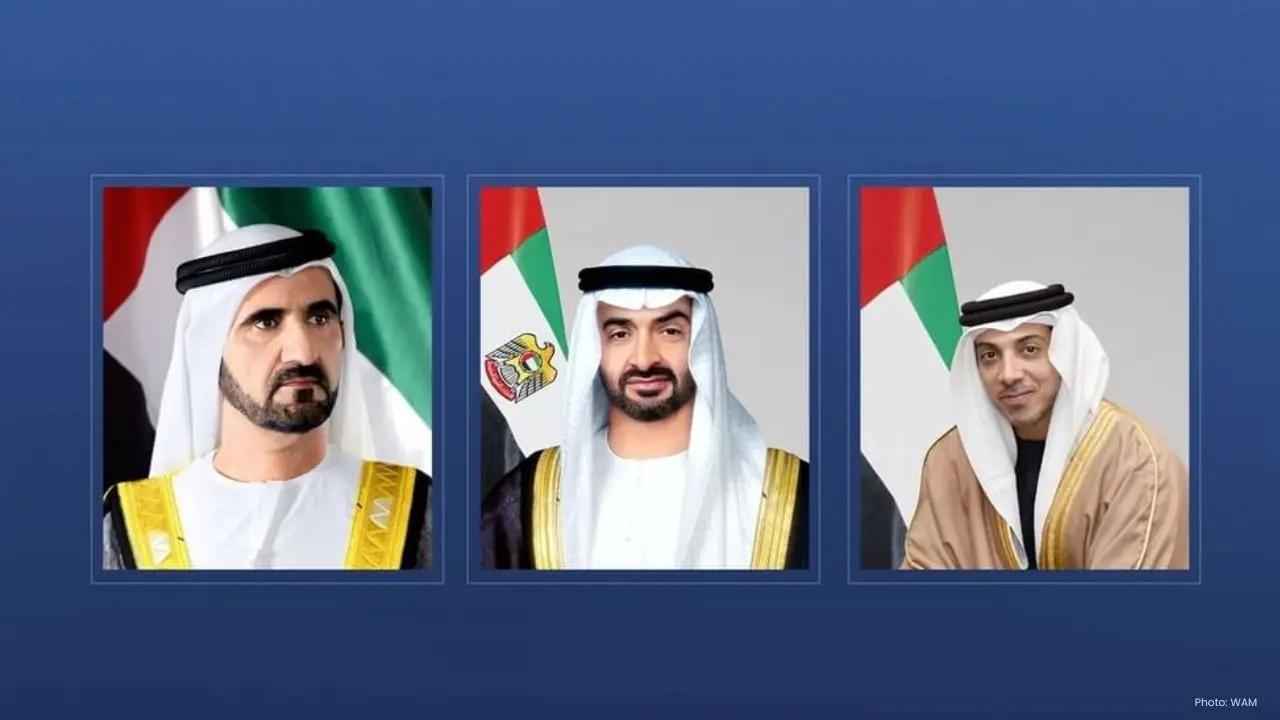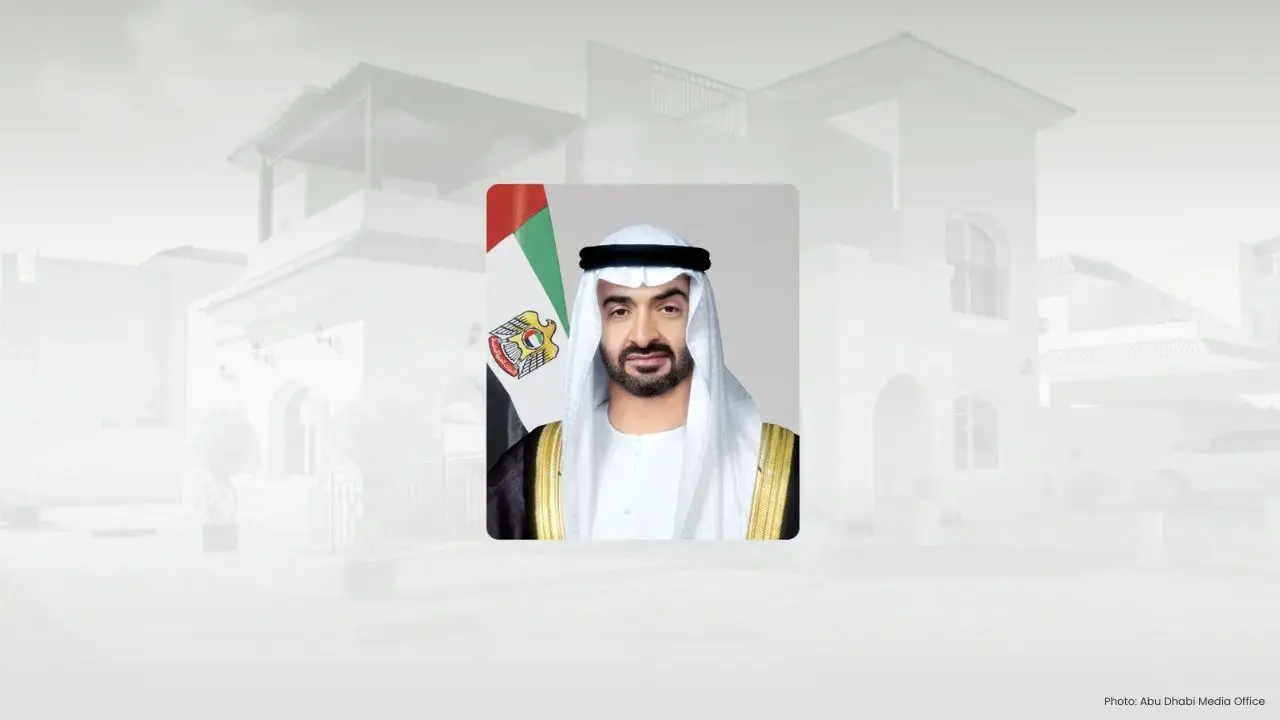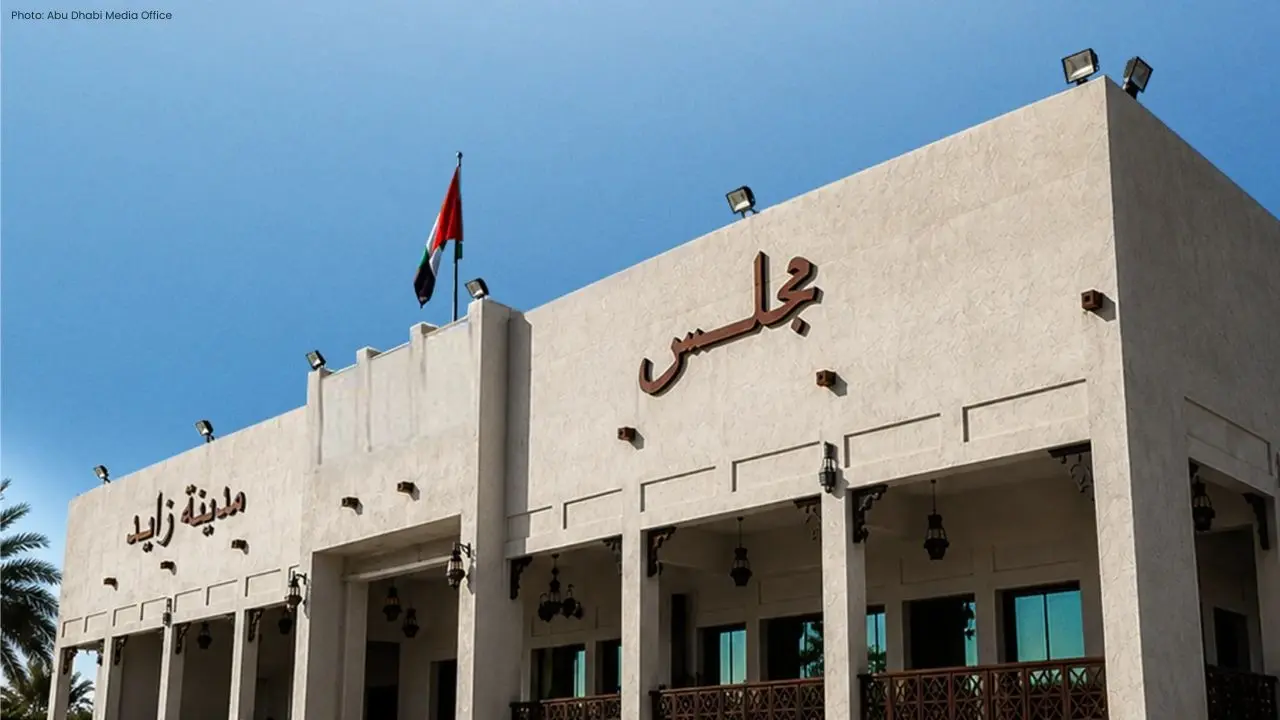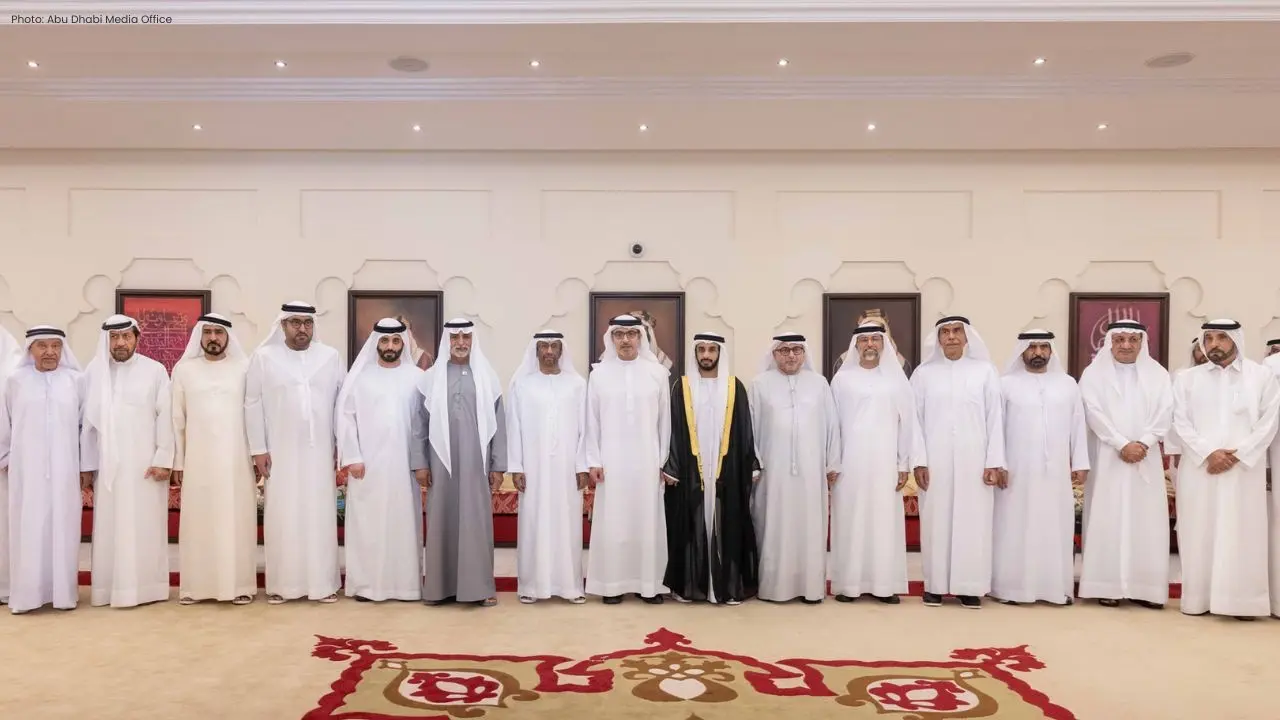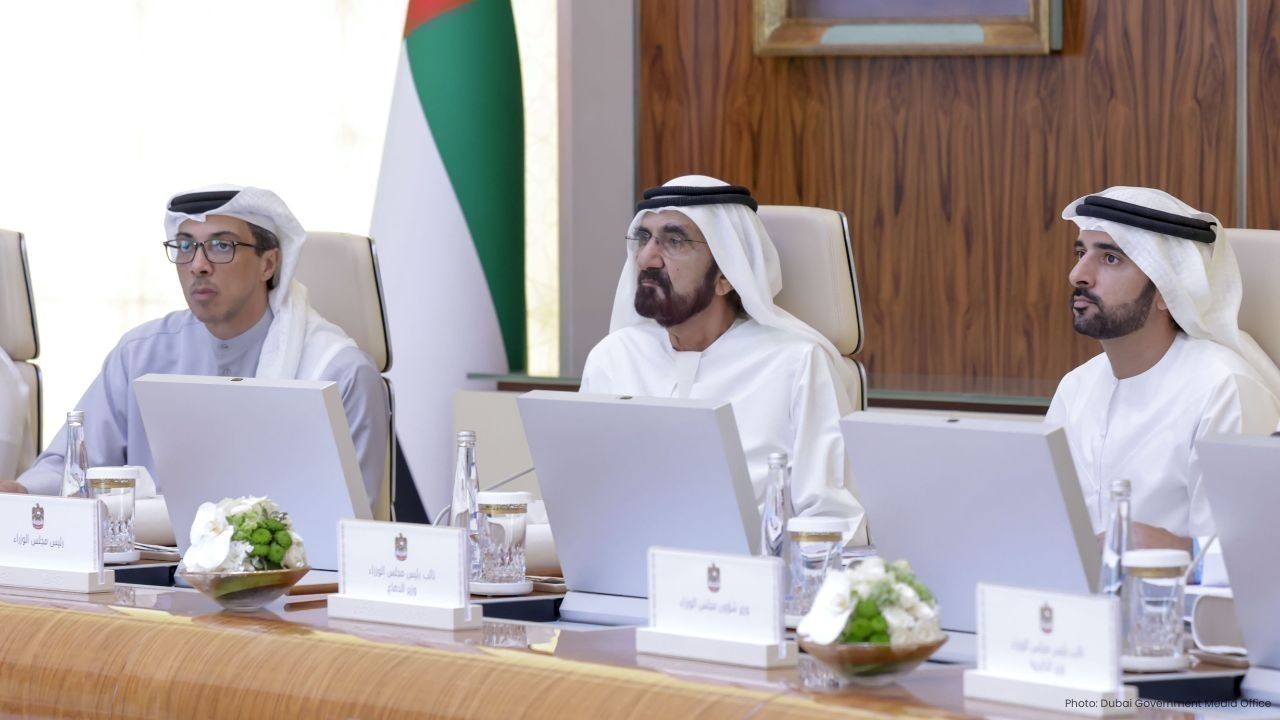
Abu Dhabi: The United Arab Emirates has set the tone for a dynamic government season as His Highness Sheikh Mohammed bin Rashid Al Maktoum, Vice President, Prime Minister of the UAE, and Ruler of Dubai, chaired the first Cabinet meeting at Qasr Al Watan. Attended by leading ministers and senior officials, the session unveiled a wide range of strategies spanning the economy, healthcare, education, environment, and technology.
Sheikh Mohammed emphasized that the government is beginning the new season with “fresh energy and big goals,” aiming to strengthen prosperity and sustainability across the nation.
Stay informed with the latest news. Follow DXB News Network on WhatsApp Channel
Unveiling the National Policy for Economic Clusters
One of the most significant announcements was the approval of the National Policy for Economic Clusters, designed to bring together industries and services under unified strategies. The initiative is projected to contribute over AED 30 billion annually to the national economy and increase foreign trade by AED 15 billion within seven years. Priority sectors include finance, tourism, space, food security, and advanced technologies.
The policy aims not only to attract investments but also to generate new job opportunities and stimulate cross-sector collaboration, positioning the UAE as a global hub for economic innovation.
Healthcare, Genomics, and Integrative Medicine
In healthcare, the Cabinet established the UAE Council for Integrative Medicine, chaired by Sheikha Salama bint Tahnoon. The council will focus on blending modern medical practices with traditional healing, enhancing patient choices and fostering new skills in the field.
Progress in genomics was also reviewed. With over 750,000 individuals enrolled in the National Genome Programme and 8,500 specialists trained, the initiative is advancing breakthroughs such as premarital genetic testing and the “100,000 Genomes for Humanity” project.
Strong Moves on Sustainability and Environment
The Cabinet approved the National Plan for Reducing Aviation Emissions and reviewed ongoing environmental programs. Initiatives like the National Sustainable Agriculture Programme and Plant the Emirates reflect the UAE’s growing role in combating climate change.
The National Air Quality Agenda 2031 was also discussed, which seeks to leverage new technologies and monitoring systems to achieve cleaner air nationwide.
Driving Digital Transformation and Cybersecurity
Digital resilience was a major focus, with the Cabinet endorsing a national cybersecurity framework to safeguard advanced technologies. The UAE Digital Economy Council, restructured under Omar Sultan Al Olama, will spearhead efforts in artificial intelligence, digital trade, and online services.
Education, Laws, and International Cooperation
More than 283,000 students are set to begin the 2025-2026 school year in public institutions, with the Cabinet reaffirming its commitment to academic standards, teacher development, and modern facilities.
The session also passed new regulations on electric vehicle charging, consumer protection, industrial gas safety, and tax rules related to scrap metal and global trade.
On the international front, the UAE ratified 76 agreements spanning trade, food safety, aviation, and artificial intelligence. The country will host 12 global events, including World Maritime Day 2025 and the International Conference on AI in Sports.
Sheikh Mohammed bin Rashid concluded by affirming that all national teams are advancing in line with the vision of President Sheikh Mohamed bin Zayed Al Nahyan. “Indicators show success, and every sector is moving forward with confidence,” he said.
With bold reforms across the economy, healthcare, environment, and digital transformation, the UAE Cabinet has set the stage for a season of ambitious growth and international leadership.