The International Cricket Council (ICC) has rejected Pakistan’s demand to remove match referee Andy Pycroft from the rest of the Asia Cup 2025. The decision comes after the much-talked-about “handshake controversy” that erupted during the India vs Pakistan group-stage clash. This issue has not only sparked heated debates in cricketing circles but also left the Pakistan Cricket Board (PCB) in a difficult position.
In this report, we explain the full story in simple and easy language so that everyone, even young readers, can clearly understand what happened, why Pakistan is upset, and what the ICC has decided.
Stay informed with the latest news. Follow DXB News Network on WhatsApp Channel
What Sparked the Handshake Controversy?
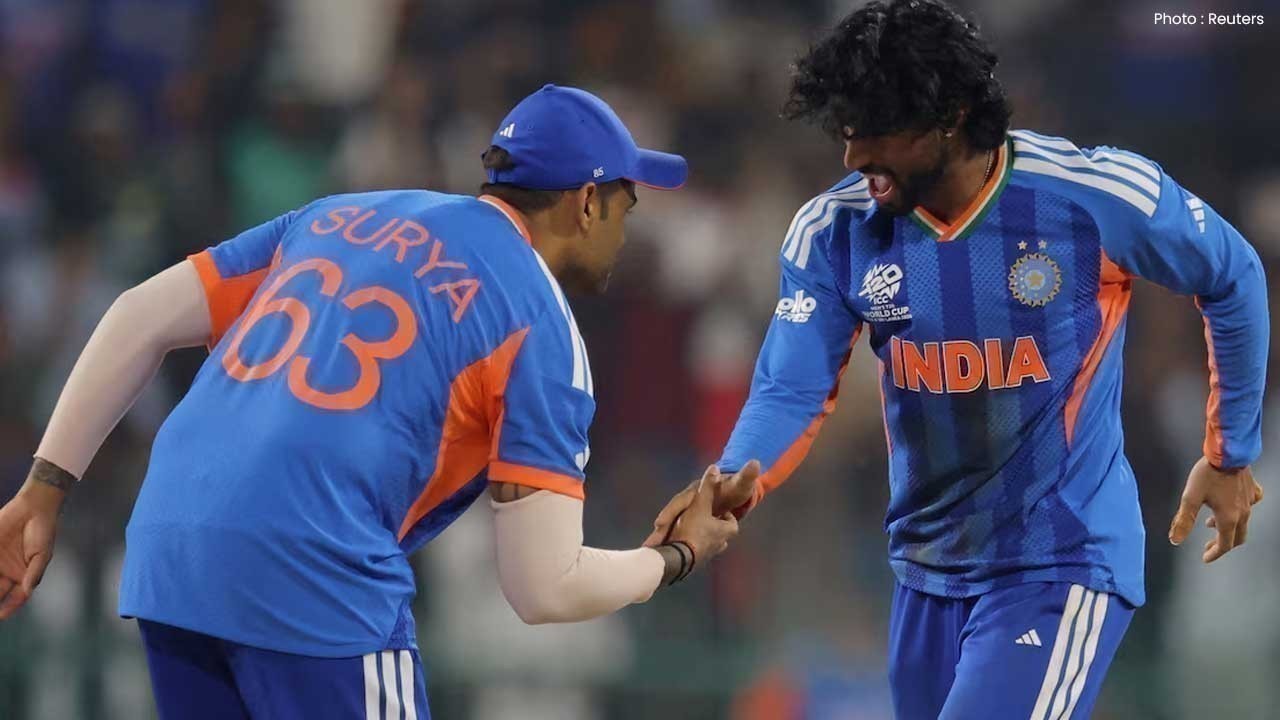
On Sunday, September 14, during the high-voltage group-stage game between India and Pakistan in Dubai, an unusual scene unfolded. Before the start of the match, Indian captain Suryakumar Yadav refused to shake hands with Pakistan’s skipper Salman Agha at the toss.
Later in the day, when India chased down Pakistan’s score of 128 with the help of Suryakumar Yadav and Shivam Dube, the controversy grew bigger. After the final ball of the match, the Indian players did not walk out of their dressing room to greet or shake hands with the Pakistani cricketers.
The absence of this customary gesture upset Pakistan’s team. Salman Agha was so angry that he even skipped the post-match presentation ceremony in protest. This incident was quickly labeled by media and fans as the “handshake controversy.”
Pakistan’s Reaction: Anger and Formal Protest
The Pakistan Cricket Board (PCB) reacted strongly to the incident. They filed an official complaint with the ICC against both the Indian players and match referee Andy Pycroft.
According to PCB’s letter, Pycroft had allegedly suggested to Salman Agha that he should avoid shaking hands with Suryakumar Yadav before the game. Pakistan claimed that this showed partiality and that Indian players were allowed to violate the Code of Conduct by not greeting the opposition team.
The PCB went a step further by warning that if referee Andy Pycroft was not removed from the tournament, Pakistan would consider withdrawing its team from the Asia Cup altogether.
ICC’s Decision: No to Pakistan’s Demand
After reviewing the matter, the ICC informed PCB that there was no valid reason to remove Andy Pycroft from his role. According to sources, ICC made it clear that Pakistan’s demands would not be entertained.
Officials within the Asian Cricket Council (ACC) also knew in advance that there might be no handshake between the captains, which suggests the incident was not entirely unexpected. This further weakened PCB’s case against the Indian team and the referee.
Trouble Within PCB: Suspension of a Top Official
The controversy did not just stay between ICC and PCB. It also created problems inside Pakistan’s own cricket administration.
Reports from Dubai confirmed that Usman Wahla, PCB’s Director of International Cricket Operations, was suspended after Pakistan’s defeat against India. According to media reports, PCB chairman Mohsin Naqvi took disciplinary action against Wahla, blaming him for “failing to act on time” regarding the handshake issue.
This showed that PCB was not only unhappy with the ICC but was also upset with its own officials for not handling the matter more carefully.
Statements From Both Sides
Indian captain Suryakumar Yadav later explained his side of the story. He defended his decision by saying that “a few things are bigger than sportsmanship.” This was seen as a hint that there were political or off-field reasons behind the gesture.
On the other hand, Pakistan’s head coach Mike Hesson expressed disappointment and said such behavior went against the spirit of cricket.
PCB chief Mohsin Naqvi also shared his frustration on social media platform X (formerly Twitter). He wrote that it was “utterly disappointing to witness the lack of sportsmanship” and added that mixing politics with sports “goes against the spirit of the game.”
Why the Handshake Matters in Cricket
In cricket, shaking hands before or after a match is a sign of respect, sportsmanship, and friendship. It shows that no matter how intense the rivalry is on the field, players respect each other once the game is over.
The India-Pakistan rivalry is one of the most famous and heated in sports, which makes such gestures even more important. That is why the absence of a handshake drew so much attention and became a matter of international headlines.
Pakistan’s Options Ahead
As things stand, Pakistan has two options before their next match against the UAE on Wednesday, September 17:
-
Stay in the tournament: Swallow their pride and continue playing in the Asia Cup despite the ICC rejecting their protest.
-
Withdraw in protest: Stick to their demand of removing Andy Pycroft and pull out of the tournament, which could create further controversy.
Withdrawing could harm Pakistan’s image in world cricket and also disappoint their fans. On the other hand, staying in the tournament may look like backing down after making such strong claims.
Bigger Picture: Sports vs Politics
The handshake row once again highlights how cricket between India and Pakistan is not just a game but often mixed with politics and emotions. Small gestures like handshakes, or the absence of them, can turn into big controversies.
For fans around the world, especially young ones, this is a reminder that while winning and losing are part of the game, showing respect and sportsmanship is equally important.
The ICC’s refusal to remove Andy Pycroft has left the Pakistan Cricket Board in a tight corner. With their team set to play UAE next, PCB must decide whether to continue fighting the case or to focus on cricket.
This controversy shows how fragile relations between India and Pakistan remain, even in the world of sports. It also underlines the importance of gestures like handshakes, which may seem small but carry a big meaning in maintaining the spirit of cricket.
For now, cricket fans will be waiting to see if Pakistan continues in the Asia Cup or chooses to walk away. Either way, the handshake row will be remembered as one of the most dramatic off-field episodes of the tournament.