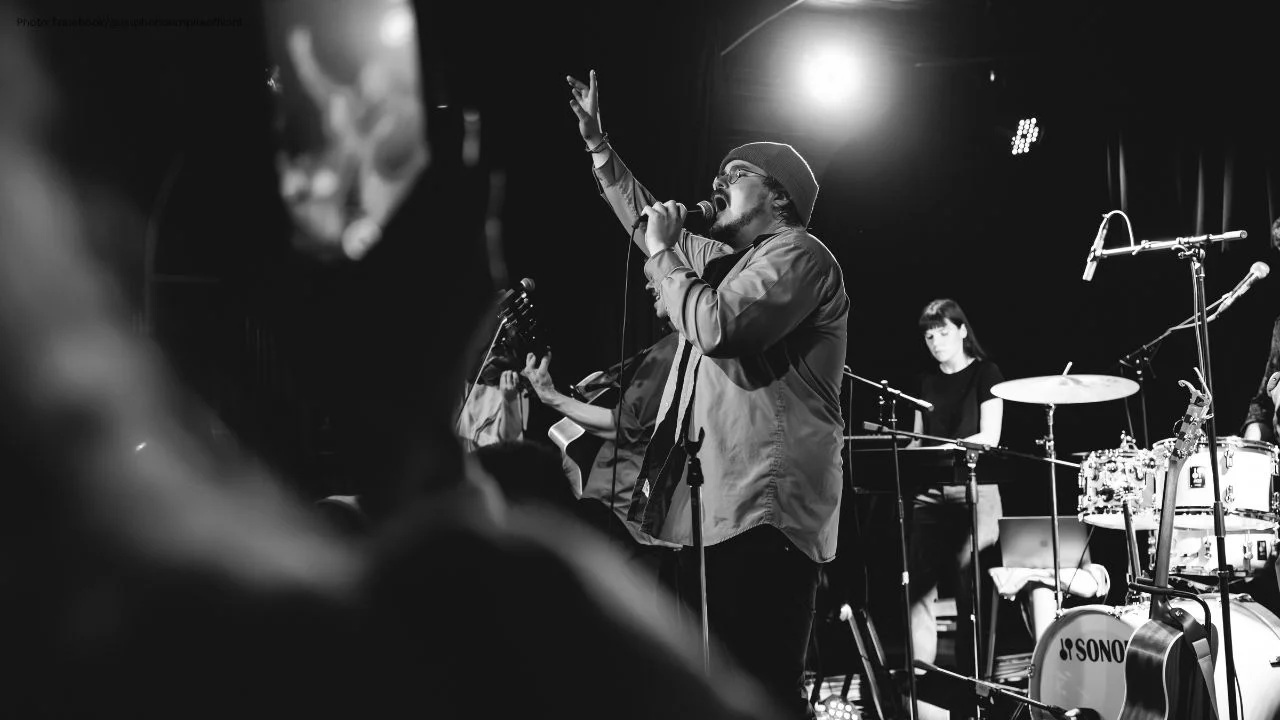
Music has always held a special place in Moroccan culture. From the soulful sounds of Andalusian melodies and Gnawa rhythms to modern Arabic pop and urban fusion, Morocco’s music scene has continuously evolved while maintaining deep emotional roots. In recent years, however, a new generation of artists has emerged with a different kind of energy — artists blending vulnerability, emotional realism, modern storytelling, and contemporary sound into music that feels deeply connected to younger audiences.
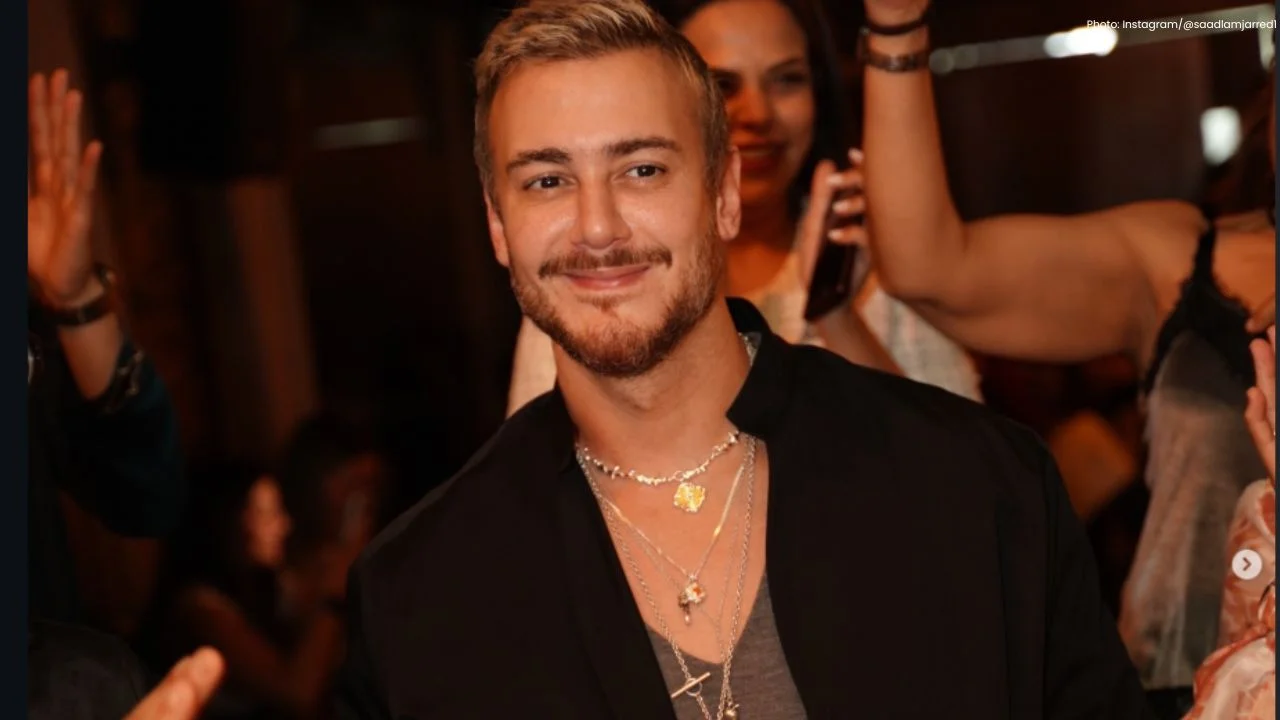
Among the names increasingly gaining attention is Moroccan singer Ghani. Known for his emotional delivery, relatable themes, and modern musical style, Ghani represents a growing movement of artists who are less interested in creating perfect celebrity images and more focused on expressing genuine human emotion.
His music often feels personal rather than performative, and that authenticity may be one of the biggest reasons audiences connect with him so strongly.
A Voice That Feels Honest
Many artists succeed because they sound polished, while others succeed because they sound real. Ghani strongly belongs to the second category. There is something emotionally direct about the way he approaches music. Whether performing emotional ballads, modern Arabic pop, or rhythm-driven tracks influenced by contemporary sounds, his delivery often carries sincerity rather than excessive theatricality.
Listeners frequently describe his music as relatable because the emotions feel familiar:
- heartbreak,
- ambition,
- longing,
- pressure,
- love,
- personal struggle,
- and hope.
Instead of presenting himself as unreachable or perfect, Ghani’s artistic identity feels emotionally accessible. That emotional accessibility matters deeply in today’s music culture, where audiences increasingly value honesty over perfection.
At the same time, Morocco’s music scene has become one of the most creatively dynamic landscapes in the Arab world. Over the past decade, Moroccan artists have blended Arabic music with international influences including hip-hop, Afrobeat, R&B, electronic sounds, trap rhythms, and Mediterranean melodies. This evolution created opportunities for artists like Ghani to experiment musically while still maintaining emotional and cultural identity.
Today’s Moroccan music scene reflects modern youth culture:
- global yet local,
- digital yet emotional,
- modern yet connected to heritage.
Social media accelerated this transformation dramatically, allowing Moroccan musicians to reach listeners across North Africa, the Middle East, Europe, and beyond.
The Emotional Power Behind His Music
One reason Ghani’s music resonates strongly is because of its emotional simplicity — not simplistic songwriting, but emotional clarity. Some artists rely heavily on complicated metaphors or exaggerated performance styles, while Ghani’s approach often feels more conversational and emotionally direct.
Listeners understand the feeling immediately, and that emotional accessibility creates intimacy. In modern music culture, intimacy has become one of the most powerful emotional currencies.
Audiences no longer want only technically impressive songs. They want emotional recognition. They want to hear feelings they struggle to express themselves. Artists who communicate emotion honestly often build stronger long-term connections than artists driven purely by image or trend cycles.
Behind the scenes, however, music careers are often far more emotionally complicated than they appear publicly. While audiences see stage lights, streaming success, and public attention, artists spend years navigating uncertainty before recognition arrives.
Songs are rewritten repeatedly. Projects fail quietly. Confidence fluctuates constantly. Creative pressure becomes emotionally exhausting. Many musicians privately battle self-doubt while appearing successful publicly.
This hidden emotional tension often influences the music itself, and perhaps that is why audiences respond so strongly to artists whose work feels emotionally genuine. Listeners instinctively recognize honesty, even when it is subtle.
Music, Culture, and the Social Media Era
The rise of digital platforms transformed the music industry completely. Years ago, artists depended heavily on television channels, radio stations, and major record labels for visibility. Today, a single emotional performance clip can travel globally within hours.
This digital shift opened enormous opportunities for regional artists, including Moroccan musicians. At the same time, it created entirely new pressures. Modern artists are now expected to maintain constant visibility, continuous engagement, and nonstop content creation.
The modern musician becomes:
- part artist,
- part storyteller,
- part personality,
- and part digital presence.
Navigating that balance can be emotionally exhausting, yet artists like Ghani appear to understand how to remain relatable within this fast-moving environment.
Moroccan culture itself also plays an important role in shaping this emotional depth. Morocco’s artistic identity blends Arab, Amazigh, African, Mediterranean, European, and Andalusian influences naturally. This cultural mixture creates unique emotional textures within Moroccan music.
Even modern Moroccan pop music often carries traces of older emotional traditions beneath contemporary production styles. This layered identity gives Moroccan artists distinctive artistic depth compared to purely trend-driven music scenes.
That is one reason younger audiences increasingly connect with Ghani. Modern listeners gravitate toward artists who feel emotionally transparent. Perfection no longer feels automatically impressive — authenticity does.
Ghani’s music reflects emotional realities many younger listeners experience themselves:
- uncertainty about the future,
- emotional confusion,
- pressure to succeed,
- relationship struggles,
- and the search for belonging.
These themes resonate deeply because they reflect modern life honestly rather than pretending everything is glamorous or emotionally stable.
The Pressure of Fame and the Power of Emotional Connection
Some of the most meaningful moments in music happen far away from stages and cameras. Songs are often created during emotional breakdowns, moments of uncertainty, or deeply personal conversations. Lyrics that sound simple on the surface may carry emotional meanings audiences never fully realize.
This hidden emotional layer is part of what makes music so powerful. Listeners hear themselves inside songs, even when the artist originally wrote from entirely different experiences. That emotional universality creates connection.
At the same time, fame today operates differently than it did decades ago. Artists no longer disappear between album releases. They exist constantly online, where every appearance is analyzed, every statement spreads instantly, and even silence becomes noticeable.
This environment creates emotional pressure many audiences underestimate. Musicians must balance creativity with public expectations while protecting their personal identity.
Despite these challenges, artists continue creating because music remains one of the few spaces where emotional truth can still exist openly.
Moroccan pop music today feels more globally connected than ever before. Traditional melodies blend with urban beats, Arabic vocals merge with international rhythms, and local identity mixes naturally with global influence.
Young audiences no longer separate local and international sounds rigidly. They consume both simultaneously, and artists like Ghani benefit from this modern musical environment because emotional authenticity matters more than strict genre categories.
Listeners care about feeling — not labels.
More Than Entertainment
Music remains powerful because it creates emotional refuge. People turn to songs during heartbreak, loneliness, celebration, healing, confusion, motivation, and personal transformation. Artists who understand this emotional role often build stronger audience relationships because their music becomes attached to real memories in listeners’ lives.
A song may remind someone of first love. Another may become connected to loss, healing, or personal growth. Over time, artists unknowingly become part of people’s emotional timelines.
Interestingly, audiences often remain most interested in artists who preserve some emotional mystery — not artificial mystery created through marketing, but natural emotional depth. Ghani’s artistic identity benefits from this balance. He feels emotionally open through his music while still maintaining enough personal privacy to keep audiences curious.
Modern Arab artists also increasingly understand the importance of visual identity alongside music. Music videos, photography, fashion, and social media aesthetics now shape artistic perception almost as strongly as songs themselves. Moroccan artists especially have embraced cinematic visuals and modern storytelling while maintaining local identity.
In today’s fast-moving digital culture dominated by trends and short attention spans, emotionally sincere artists stand out more than ever because human emotion remains timeless.
People still want:
- connection,
- comfort,
- recognition,
- expression,
- and hope.
By listening closely to Ghani’s music and observing his growing influence within Morocco’s evolving music scene, one realization becomes clear: the appeal goes far beyond catchy melodies alone.
It is about emotional atmosphere, human relatability, modern identity, and the ability to transform complex feelings into accessible sound.
That emotional accessibility is difficult to fake, and audiences recognize it instinctively.
Perhaps that is why Ghani continues attracting attention within Morocco’s evolving music culture. Because beneath the production, visuals, and public image lies something listeners still crave deeply in modern music:
A voice that feels real.