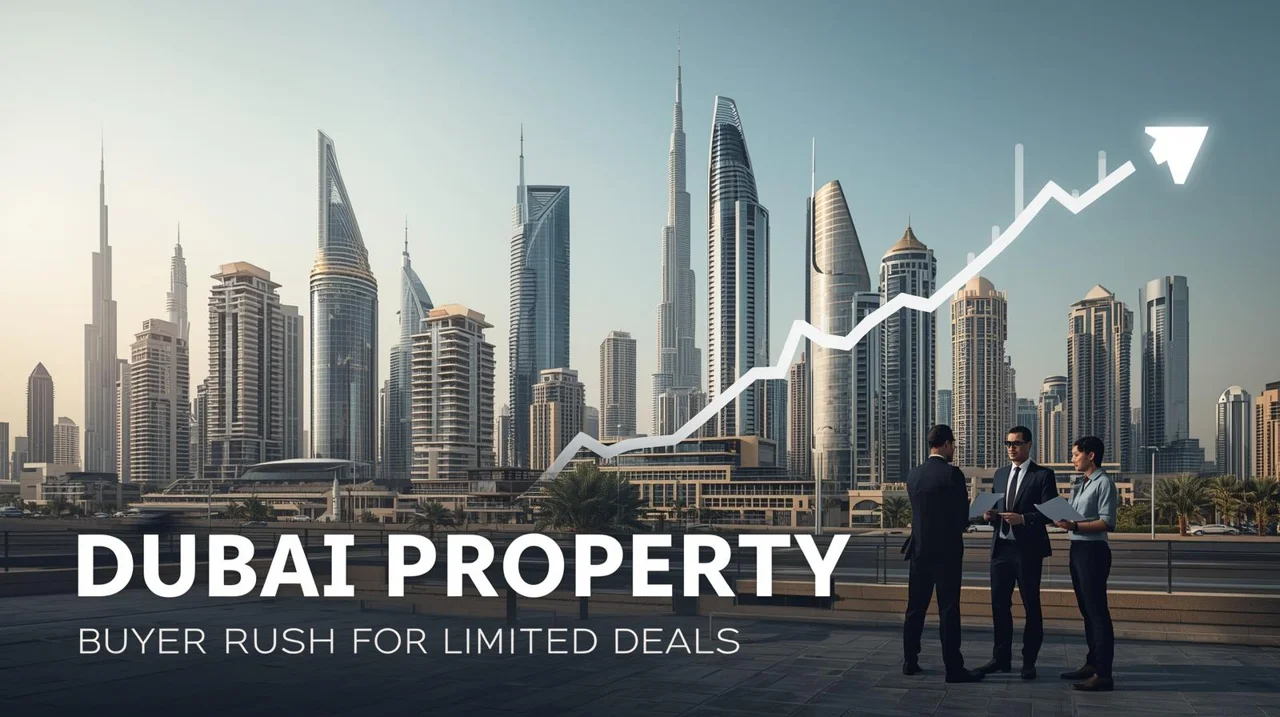
Dubai’s real estate market has entered 2025 with strong momentum, registering 4,049 new activities in just the first half of the year. The performance reflects the emirate’s enduring appeal as a global property investment hub, supported by its progressive regulatory framework, advanced digital systems, and strategic economic vision.
Far from being just numbers, these activities represent a significant expansion in the variety and depth of real estate services, reinforcing Dubai’s reputation as a market that attracts investors, developers, service providers, and residents from around the world.
Regulation as a Growth Enabler
A key driver behind this growth is the Dubai Land Department’s (DLD) Trakheesi System, the official online platform that regulates and facilitates all core real estate activities in the emirate.
Registration through Trakheesi is mandatory for engaging in key real estate services, ensuring every participant in the market operates under the same transparent, legally recognized framework. These activities include:
-
Real estate brokerage for buying and selling properties
-
Leasing brokerage
-
Property management supervision services
-
Real estate valuation
-
Buying and selling land and real estate
-
Managing jointly owned properties
-
Real estate consultancy
-
Mortgage brokerage and mortgage advisory services
Additionally, certain high-impact activities require pre-approval from the system, such as:
-
Real estate development
-
Leasing and property management for private or third-party properties
-
Services of real estate service trustees and promotion trustees
By setting these requirements, the DLD ensures that only qualified, licensed, and compliant entities operate in the sector, protecting the rights of investors and maintaining a fair competitive environment.
Detailed Breakdown of Activities
The first half of 2025 saw a varied distribution of activities, indicating both market depth and diversification:
-
Real estate brokerage for sales: 2,301 activities — demonstrating robust transaction levels in Dubai’s residential and commercial property market.
-
Leasing brokerage services: 1,279 activities — reflecting the city’s expanding rental sector and high demand for both short- and long-term housing solutions.
-
Land and property trading: 273 activities — showing continued interest in land acquisition for development and investment.
-
Property management supervision services: 43 activities — highlighting the need for professional oversight in property maintenance and operations.
-
Mortgage brokerage: 43 activities — pointing to a growing role for financing solutions in property transactions.
-
Real estate consultancy: 40 activities — underlining the demand for professional advice in an increasingly complex market.
-
Leasing and property management for private properties: 24 activities.
-
Leasing and property management for third-party properties: 9 activities.
-
Property valuation services: 14 activities — critical for accurate pricing and investment decisions.
-
Management of jointly owned properties: 9 activities — a reflection of Dubai’s large number of community developments and strata-titled buildings.
-
Real estate development: 11 activities — supporting new projects in housing, commercial spaces, and mixed-use developments.
-
Mortgage advisory services: 3 activities — indicating growing awareness of structured financial planning in property purchases.
This range of activities demonstrates how Dubai’s real estate market is not one-dimensional but instead offers multiple entry points for different types of investors and service providers.
Digital Efficiency and Innovation
The DLD’s integrated digital ecosystem has been a game-changer. By digitizing licensing and registration, the department has reduced bureaucracy, improved processing times, and ensured that compliance is easier for companies and individuals.
The system allows for:
-
Instant issuance and renewal of licences
-
Online pre-approvals for sensitive activities
-
24/7 accessibility, which is crucial for international investors operating in different time zones
-
Data-driven oversight, enabling the DLD to monitor market trends and address irregularities swiftly
These efficiencies directly contribute to Dubai’s global competitiveness. For an investor, speed and certainty in regulatory processes can mean the difference between closing a deal and missing an opportunity.
Alignment with Dubai’s Long-Term Strategy
This growth in activity is not happening in isolation — it is aligned with the Dubai Real Estate Strategy 2033, which aims to:
-
Position Dubai as the world’s leading real estate investment destination
-
Enhance transparency and market stability
-
Foster sustainable growth and economic diversification
-
Maintain a secure and investor-friendly environment
With a population that continues to expand due to migration, job creation, and tourism, Dubai needs a real estate market that is both agile and sustainable. The growth in H1 2025 shows that these strategic objectives are being actively implemented.
Implications for Investors and the Economy
For investors, the numbers are an encouraging sign. A busy real estate market with high registration activity often translates into:
-
Strong liquidity — properties are bought, sold, and rented at a healthy pace.
-
Variety of investment opportunities — from luxury apartments to commercial spaces to off-plan developments.
-
Confidence in regulatory oversight — reducing risks and safeguarding investments.
For Dubai’s economy, a vibrant property sector stimulates demand in related industries such as construction, banking, interior design, and tourism. It also supports job creation across multiple skill levels, from brokers to legal advisors to maintenance staff.
A Model for Global Real Estate Governance
Many cities around the world struggle with balancing rapid real estate growth and regulatory oversight. Dubai’s model — anchored in digital governance, licensing transparency, and market diversification — offers a blueprint for sustainable urban property development.
By recording over 4,000 new activities in just six months, Dubai has shown that growth and regulation can go hand in hand. Investors are drawn not only to the city’s skyline and luxury developments but also to the predictability and professionalism of its real estate processes.
The first half of 2025 has confirmed Dubai’s position as a top-tier global real estate market. Backed by the Trakheesi System, the Dubai Land Department’s proactive approach ensures that the sector remains transparent, competitive, and adaptable to change.
As the emirate works toward its 2033 vision, these results signal a future where Dubai’s property market will continue to expand — not just in size, but in quality, diversity, and global influence.