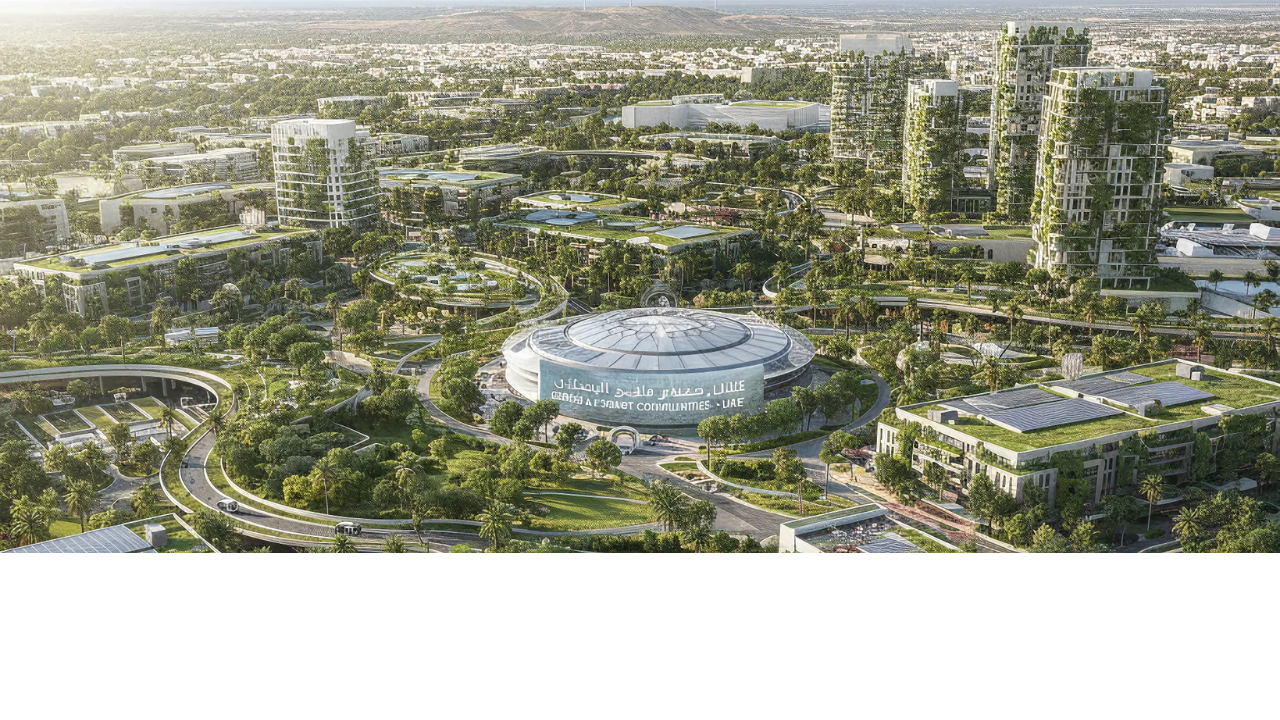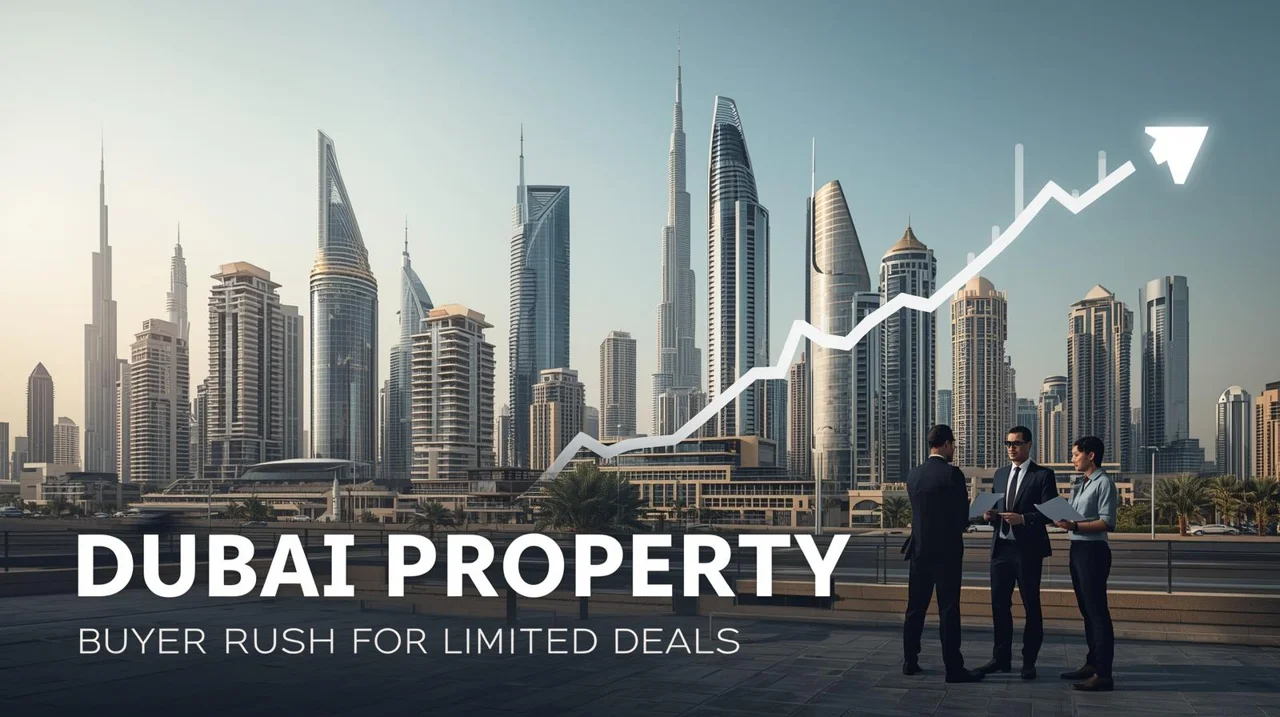
Conventional wisdom in many real estate markets holds that summer months bring a slowdown in transactions—people travel, pause deals, and new launches slow down. Dubai, however, is rewriting that rulebook. In Q3 2025, both residential and commercial real estate sectors posted robust growth, effectively defying the seasonal lull.
Residential transactions rose by 22.7% year-on-year, while commercial activity jumped 31%. The luxury real estate segment remains a bright spot, with 1,388 deals above the AED 10 million mark. Off-plan transactions continue to dominate, accounting for nearly 70% of residential deals in the quarter.
This trend signals not just market strength but maturity—Dubai is no longer bound by seasonal cycles. Instead, it is driven by investor confidence, global flows, demographic shifts, and structural demand. Let’s explore what’s behind this defiance, how the market is behaving, risks ahead, and what it means for investors and developers.
Why Dubai Is Bypassing the Summer Dip
1. Persistent Investor & End-User Demand
One of the biggest reasons Dubai’s market is holding up is consistent demand—both from international investors and locals/end-users. Many buyers now treat Dubai as a long-term home or investment hub, not just a transactional market.
Rising rents have nudged more tenants toward ownership. Also, many expatriates, professionals, and families time their moves around the academic year or job cycles, which often fall in summer.
2. Off-Plan Projects Leading the Way
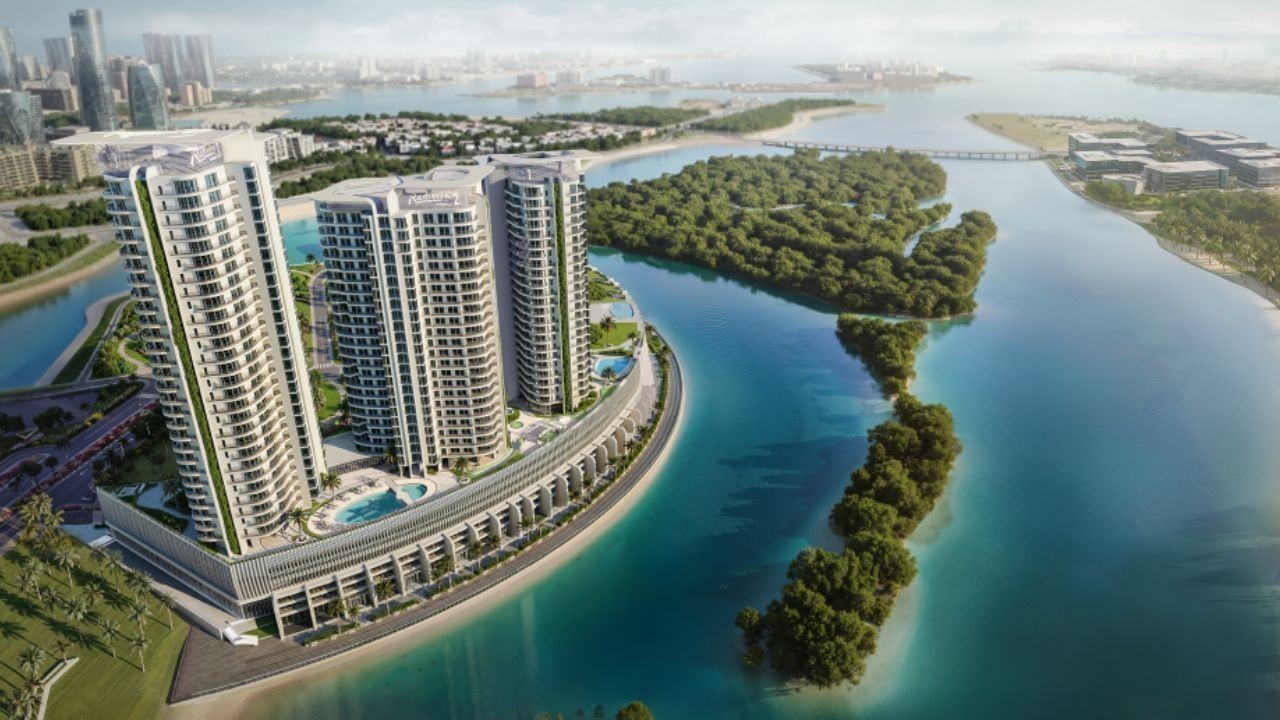
Off-plan (pre-construction) property sales remain the engine of Dubai’s residential market. In Q3 2025, nearly 70% of residential sales were off-plan units. This allows developers to offer attractive payment plans, early bird discounts, and flexible financing—boosting demand even during traditionally slow months.
3. Luxury Segment Holding Strong
The high-end segment continues to show strength. In Q3 alone, 1,388 transactions over AED 10 million were recorded—a sign that the ultra-luxury end still attracts investor capital, even amid slower macro sentiment.
These premium deals often involve global buyers, who are less influenced by local seasonality.
4. Commercial Real Estate & Diversified Activity
The commercial side of the market posted a 31% increase in Q3 year-on-year, covering offices, retail, buildings, and land deals. Offices grew ~45%, retail ~37%, and land ~36.8%. This diversified strength helps stabilize the broader real estate ecosystem and cushions against residential weakness.
In particular, off-plan offices saw notable traction, reflecting investor appetite for future-ready workspaces.
5. Supply Constraints & Limited Inventory
In many key communities, especially prime zones, inventory is tight. The lack of ready stock forces more transactions into off-plan or premium properties, pushing activity even in off-peak times.
Moreover, new supply cannot keep pace with demand in many areas, giving sellers pricing power and buyers urgency.
6. Structural & Economic Tailwinds
Dubai’s macro fundamentals support real estate. A stable regulatory environment, alignment with global capital, favorable visa and residency policies, and ongoing infrastructure spending bolster confidence.
Population growth and urbanization trends also contribute: many new entrants and expatriates need housing year-round.
Q3 2025 Highlights & Market Dynamics
Residential Market Snapshot
-
22.7% year-on-year growth in residential transactions
-
~70% of those deals were off-plan
-
Apartments made up ~87% of residential sales, with 47,705 units sold
-
Combined value of apartment deals: ~AED 91.4 billion
-
Luxury deals (AED 10 million+): 1,388 transactions
-
Strong deals included a AED 350 million off-plan villa and AED 173.6 million apartment
These figures not only show volume growth, but also sustained interest in premium and high-end segments.
Commercial, Land & Office Activity
-
Commercial real estate transactions: ~3,418 in number, valued ~AED 30.4 billion
-
Growth across categories: office (+45%), retail (+37%), land (+36.8%), buildings (+50%)
-
Office deals numbered ~1,151, valued ~AED 3.1 billion—near doubling from prior year
-
Off-plan office sales jumped from 69 in the prior year to 389
This resurgence in non-residential segments reflects a broader confidence in Dubai’s economy and business environment.
Risks, Pressures & Potential Headwinds
While Dubai’s market appears resilient, several risk factors warrant close watching:
Oversupply Risk & Upcoming Deliveries
Dubai is expecting a large number of new residential units in 2025–2026. Rating agencies like Fitch have warned of a possible double-digit price correction (~15%) due to overhangs and delivery surges.
When supply outpaces demand, even strong markets can see softness—especially in less premium segments.
Market Strain & Buyer Fatigue
In certain micro-markets, flipping (reselling units before handover) is cooling. Some investors face challenges offloading unfinished properties. This suggests speculative segments may be more vulnerable.
Also, saturation in lower-tier apartment markets might create downward pressure if absorption slows.
Interest Rates, Credit & Global Shocks
Any sharp movement in global interest rates, credit tightening, or macro shocks could affect investor sentiment and borrowing costs. Higher costs may dampen demand.
Regulatory or Policy Shifts
Dubai’s real estate success depends on favorable regulations, transparency, and investor policies. Any negative policy changes (taxation, foreign ownership rules, financing norms) can unsettle markets.
Pricing Stretch & Affordability
In some zones, pricing per square foot has already pushed into premium territory. For mid-tier buyers, cost returns and yields must justify the investment. Overvaluation risk exists, especially in less prime areas.
Implications & What It Means for Stakeholders
For Developers & Sellers
-
Accelerate off-plan launches and maintain attractive payment terms to capture demand year-round
-
Focus on differentiated product, amenities, sustainability, and tech to stand out
-
Monitor inventory levels, avoid overpricing in less premium sectors
-
Strengthen brand trust and delivery track record
For Investors & Buyers
-
Luxury and premium properties may offer safer value retention
-
Off-plan opportunities still have appeal—but due diligence on developer, location, and delivery is critical
-
Consider timing and segment: high-end and well-located may outperform general segments
-
Monitor rental yield trends—strong rent growth supports ownership decisions
For Market Observers & Policymakers
-
Continued emphasis on balanced supply and demand to prevent overcorrection
-
Infrastructure planning and regulatory stability will remain essential
-
Need for tools, data, transparency to help investors and buyers make informed decisions
Outlook & Forecast
-
Dubai’s market momentum looks likely to carry into Q4 2025 and perhaps beyond, particularly in the premium, off-plan, and commercial segments
-
A moderation in growth is possible in lower-end segments if oversupply materializes
-
Price corrections may begin in susceptible micro-markets by 2026, especially for less prime units
-
Developers who align with buyer expectations (flexible terms, strong delivery, differentiated offerings) will outperform
-
Investors should watch macro trends, global sentiment, and delivery pipelines for signs of turning
Disclaimer
This article is for informational and educational purposes only and does not constitute financial, investment, or legal advice. Readers should perform their own due diligence and consult professionals before making any investment or property decisions.