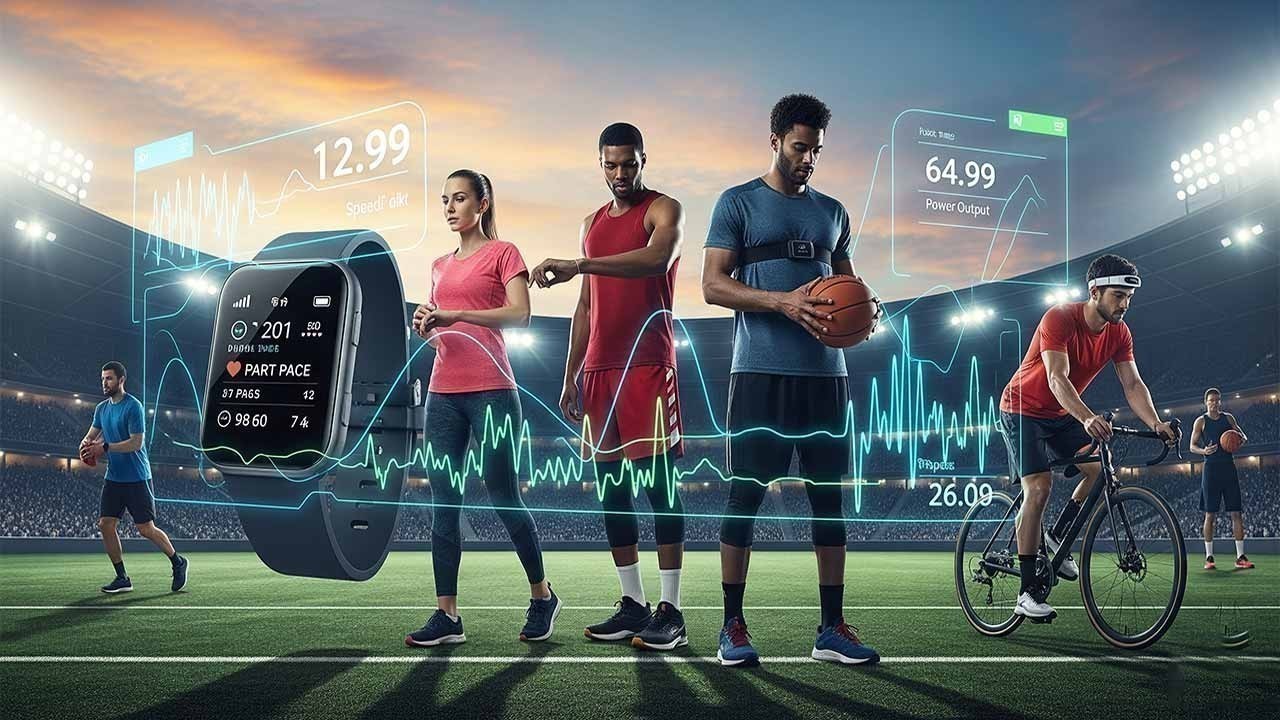
Beyond the Field: How Fitness Technology is Changing Sports
In today’s world, sports are no longer only about natural talent, strength, or speed. Technology is now playing a vital role in transforming how athletes train, compete, and recover. From smart gadgets and wearable devices to advanced machines and artificial intelligence, fitness technology is helping athletes enhance their performance, prevent injuries, and maintain overall health.
What makes this transformation even more remarkable is that it’s not limited to professional athletes. Fitness technology has also opened the doors for beginners, casual fitness enthusiasts, and people of all ages who want to stay active and healthy. Whether someone is training for a marathon, practicing football skills, or just trying to maintain a healthy lifestyle, technology provides tools that make fitness safer, smarter, and more efficient.
Fitness technology allows athletes to track performance, measure progress, and create personalized training programs. From monitoring heart rate to using virtual reality for mental conditioning, these tools help athletes perform better, recover faster, and prevent injuries, making the world of sports safer and more exciting than ever before.
1. Wearables: Tracking Every Move
Wearable technology has become one of the most popular tools in modern sports. Smartwatches, fitness bands, and heart-rate monitors can track important health metrics such as heart rate, oxygen levels, sleep quality, calories burned, and even stress levels.
Athletes can use this data to understand how their bodies respond to different activities. For example, a runner can track heart rate and oxygen levels to determine whether to push harder or slow down. A swimmer might monitor calories burned and stroke efficiency to improve performance. Even fitness enthusiasts who are not professional athletes can benefit by learning how their bodies react to workouts, ensuring safer and more effective exercise sessions.
Wearables are making workouts precise, helping athletes and enthusiasts avoid overtraining, improve recovery, and reach fitness goals more efficiently. They also provide motivation by allowing users to set targets, track achievements, and celebrate progress.
2. Artificial Intelligence and Smart Machines: Personal Training for Everyone
Artificial intelligence (AI) is transforming the way athletes train by making workouts more personalized and efficient. AI systems can analyze a player’s strength, speed, movements, and fatigue levels to design training programs tailored to individual needs.
Smart machines, such as AI-powered strength trainers, automatically adjust weight or resistance in real-time based on performance. For example, a weightlifter can lift more or less depending on their energy levels, reducing the risk of injury while maximizing gains. AI-driven apps, like Adidas miCoach, provide interactive workouts with instant feedback, helping athletes stay on track and improve every session.
With AI, workouts are no longer “one-size-fits-all.” Training becomes more focused, adaptive, and safe, helping athletes improve faster and more effectively than traditional methods.
3. Preventing Injuries and Supporting Recovery
Injuries have always been a major challenge in sports. However, technology is now playing a crucial role in preventing injuries and supporting recovery.
Devices like the AlterG Anti-Gravity Treadmill allow athletes to run or walk while reducing pressure on joints. This is particularly useful for players recovering from injuries, as it enables them to regain strength and mobility safely.
AI software can also monitor movements, posture, and workload to detect risks before they lead to injuries. Coaches can adjust training plans to reduce strain and protect athletes. With constant monitoring and predictive analysis, technology helps athletes stay healthier, recover faster, and enjoy longer, injury-free careers.
4. Virtual Reality (VR) and Augmented Reality (AR): Training the Mind and Body
Virtual reality (VR) and augmented reality (AR) are opening new ways to train both mentally and physically. VR can simulate game scenarios, allowing athletes to practice decision-making and strategies without physical strain or risk of injury. For instance, football players can use VR to anticipate opponents’ moves, improve reaction times, and practice situational awareness.
AR and VR also help athletes with mental conditioning. They improve focus, build tactical understanding, and allow players to rehearse high-pressure situations in a controlled environment. Combining these technologies with traditional physical training helps athletes develop stronger instincts, sharper skills, and better game performance.
5. Data Analytics: Making Smarter Decisions
Data analytics is now a critical part of sports. Sensors, cameras, and tracking systems collect detailed information about player speed, movement, accuracy, and overall performance. Coaches and teams can analyze this data to make informed decisions, improve strategies, and boost team performance.
Professional leagues like the Women’s National Basketball Association (WNBA) use advanced 3D tracking technology to monitor players in real time. This allows teams to identify strengths and weaknesses, adjust tactics, and optimize training programs. Data-driven insights ensure athletes and teams remain competitive while continuously improving performance.
6. Accessibility and Inclusivity: Sports for Everyone
Fitness technology is not only helping elite athletes but also making sports and fitness more inclusive. Platforms like GOQii offer personalized coaching, health tracking, and virtual workout guidance to people who may not have access to gyms or trainers.
This allows beginners, older adults, and people from diverse backgrounds to participate in sports and maintain an active lifestyle. Wearable trackers, virtual classes, and online coaching make it possible for anyone, anywhere, to follow personalized fitness programs safely and effectively. Technology is breaking barriers, making sports accessible, inclusive, and enjoyable for all.
Fitness technology has gone far beyond the field, transforming sports in ways that were once unimaginable. Wearables, AI, VR, and data analytics are helping athletes train smarter, prevent injuries, recover faster, and make better decisions. At the same time, these innovations are making sports accessible and inclusive for people of all ages and abilities.
The future of sports is exciting. Athletes, coaches, and fitness enthusiasts now have powerful tools to enhance performance, improve safety, and maintain a healthier, more active lifestyle. Technology has truly reshaped sports, creating a world where skill, safety, and accessibility come together for everyone who loves fitness and athletic activity.
Disclaimer
This article is intended for informational and educational purposes only. DXB News Network aims to provide accurate and up-to-date information on sports and fitness technology based on available sources at the time of publication. While we strive for accuracy, the details, statistics, and examples mentioned in this article may change over time as new developments occur. Readers are advised to verify specific information or consult professionals before making decisions based on this content. DXB News Network is not responsible for any actions taken based on the information provided in this article.