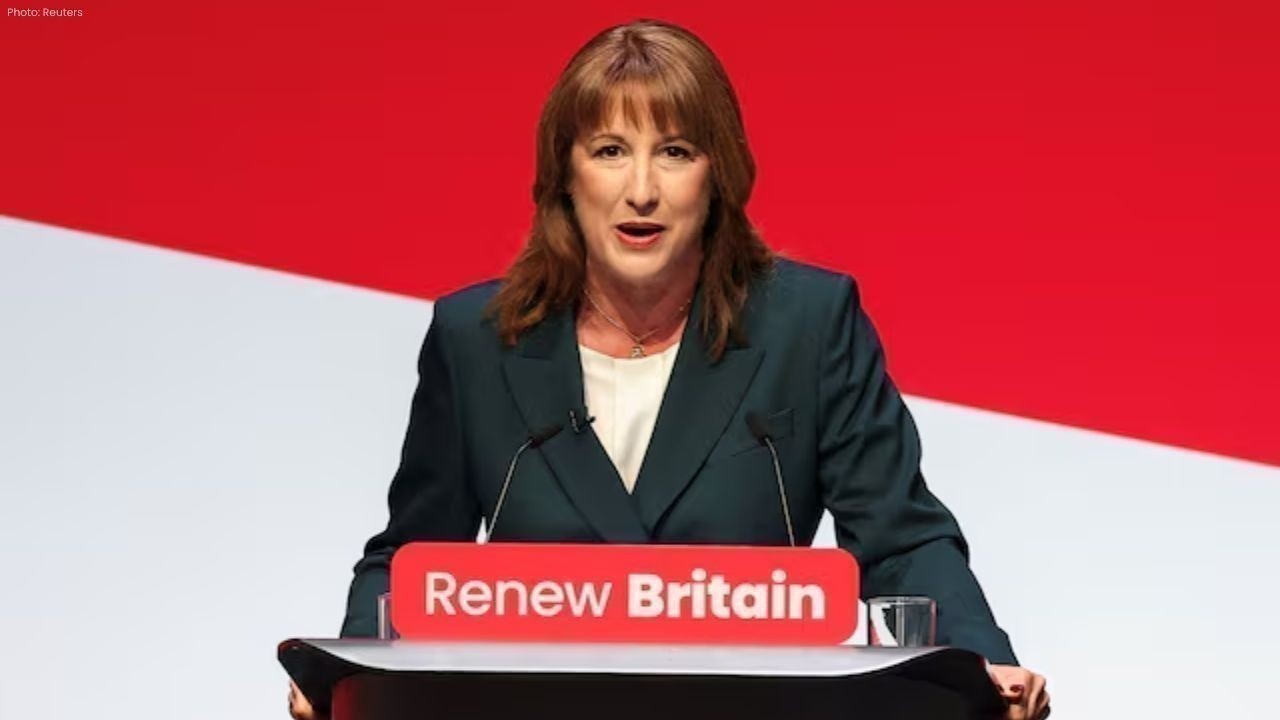
UK Finance Minister Rachel Reeves is set to unveil a significant tax overhaul in her upcoming budget on November 26, aiming to raise up to £30 billion annually to meet fiscal targets and restore market confidence. This move comes after rising government borrowing costs and the scrapping of a planned £5 billion welfare savings plan.
Despite previous commitments not to raise income tax, VAT, or national insurance contributions for "working people," Reeves is considering extending the freeze on income tax thresholds until 2030, potentially raising £8 billion. Additionally, she might increase the main income tax rate by one percentage point, generating an extra £8 billion.
Reeves has ruled out a new wealth tax but indicated that higher taxes on the wealthy will be part of the budget. This could involve increasing taxes on capital gains and other income sources.
Property taxes may also be adjusted, with potential increases for owners of expensive homes and a reduction in stamp duty. Pension-related changes could include taxing employer contributions or lowering the 25% tax-free lump sum that individuals can take from a pension.
Other measures under consideration include introducing a new tax dedicated to specific areas of spending, such as public health, and simplifying VAT by ending lower or zero rates for certain products. However, these changes could add to inflation, which remains the highest among the Group of Seven economies.
Reeves is also contemplating higher taxes on banks to recoup some of the billions of pounds of interest that lenders have received on reserves held at the Bank of England. However, such a move could hurt lending and slow growth.
The upcoming budget is poised to be one of the most significant in recent years, with Reeves aiming to balance fiscal responsibility with the need to stimulate economic growth. The government's approach will be closely scrutinized by markets and the public alike.