Education's Transformative Journey
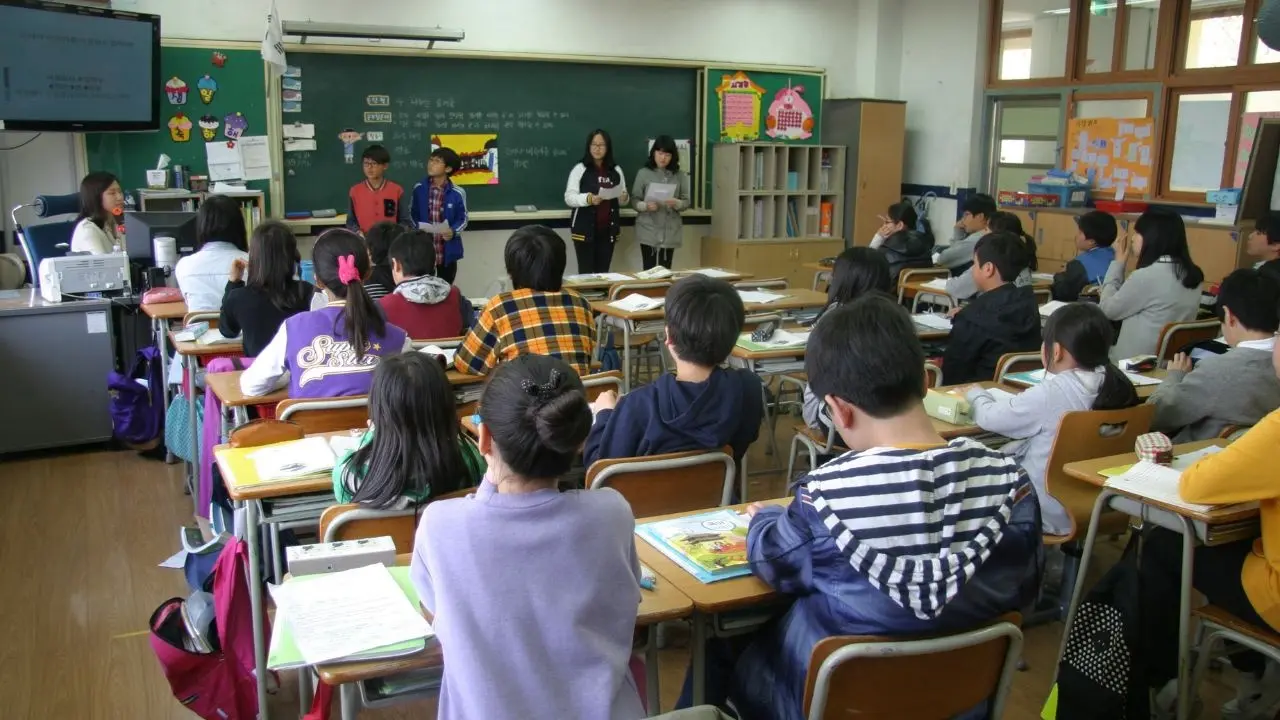
Education is undergoing unprecedented changes, influenced by technology, globalization, and societal shifts. The focus is shifting from traditional methods centered around textbooks and lectures to a more personalized, tech-driven approach tailored to individual learner needs.
The future of learning is not centered around classrooms or teachers alone but aims to enhance accessibility and relevance, preparing students for a rapidly evolving world.
Limitations of Traditional Education
Adapting to New Skill Requirements
Historically, education relied heavily on memorization and standard curriculums. However, today’s workforce demands a new skill set, including:
-
creativity
-
problem-solving
-
digital fluency
-
emotional intelligence
-
communication
-
adaptability
Traditional methods often fall short in developing these essential skills.
Modern Learners’ Needs
Students today grow up in a tech-rich environment, leading to significant changes in learning preferences and attention spans. They seek interactivity, flexibility, and immediate feedback, which traditional models do not always provide.
Adapting to Global Changes
With rapid changes across various sectors, educators must instill resilience and support lifelong learning habits to prepare learners for unknown futures.
The Role of Technology in Learning
AI for Tailored Educational Experiences
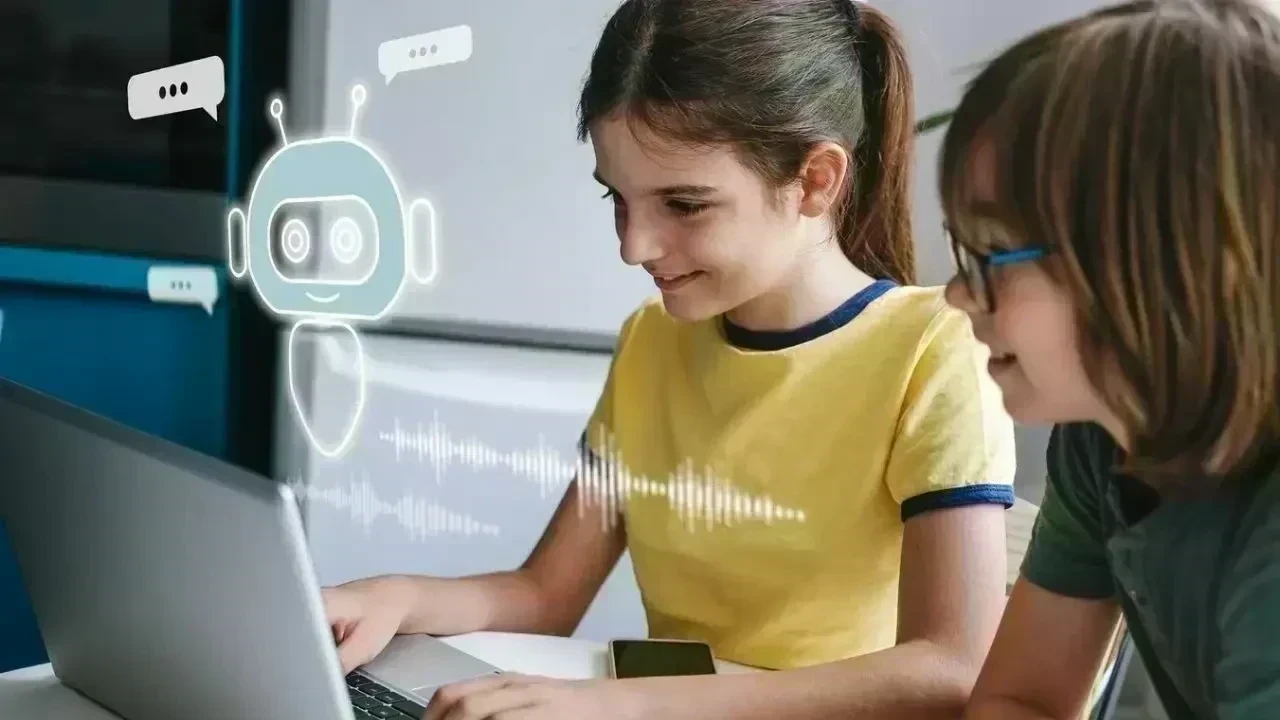
AI is transforming educational experiences by personalizing learning journeys. By analyzing student performance, interests, and abilities, AI can help craft individualized learning paths. Instead of a one-size-fits-all curriculum, AI platforms can adjust content according to each learner's pace.
Enhancing the Teacher's Role
Teachers will increasingly focus on mentorship and emotional support as AI handles administrative tasks like grading and scheduling.
-
grading tasks
-
creating quizzes
-
monitoring student progress
-
evaluating learning gaps
-
suggesting resources
This shift allows educators to prioritize human connection and creativity.
Virtual Classrooms: The New Norm
The integration of video and collaborative tools means that learning can transcend geographical barriers, allowing students worldwide to engage and learn together.
Redefining Access to Learning
Hybrid Learning Models on the Rise
With the shift to online education, hybrid models are becoming standard. Students may only attend physical classes part-time, balancing online coursework according to their pace and convenience.
Smart Devices as Key Learning Tools
Utilizing tablets and laptops will be essential as students engage with interactive apps and 3D learning environments, transforming their academic experience.
Learning Beyond Traditional Spaces
Education will extend beyond classrooms to various environments—homes, libraries, and even outdoor settings—making practical learning integral to student experiences.
Curriculum Evolution for Future Relevance
Emerging Subjects for Today's Students
Educational frameworks will incorporate evolving subjects such as:
-
robotics
-
climate studies
-
mental health education
-
digital awareness
-
business innovation
-
global finance
-
ethical considerations in technology
-
cybersecurity
These reflect the evolving needs of society rather than outdated expectations.
Interdisciplinary Learning Will Gain Ground
Future educational landscapes will embrace interdisciplinary studies, allowing students to explore connections between diverse fields.
Emphasis on Critical Thinking
Prioritizing skills such as analysis and creativity over memorization will further enhance student learning. In an information-rich world, the ability to interpret data effectively is crucial.
Revamping Assessment Approaches
From Rote Memorization to Skill Demonstration
Standardized testing will evolve to include:
-
project-based assessments
-
real-life challenges
-
collaborative projects
-
digital portfolios
-
hands-on evaluations
This approach promotes a deeper understanding over rote learning.
Ongoing Evaluation Instead of One-Time Tests
Students will experience continuous evaluation via quizzes and presentations throughout the year. This method reflects their performative capability more accurately.
Identifying Student Strengths Through AI
AI can pinpoint individual talents at an early stage, allowing students to pursue their intrinsic strengths while exploring various career paths.
Enhancing the Teacher's Role as Mentor
Shaping the Educator of Tomorrow
With routine tasks managed by AI, teachers will focus on:
-
emotional guidance
-
building confidence
-
fostering curiosity
-
encouraging teamwork
-
supporting student exploration
Human qualities will be at the heart of this new educational landscape.
Evolution of Teacher Training
Educators will require proficiency in:
-
digital educational tools
-
advanced classroom technology
-
hybrid teaching approaches
-
student engagement strategies
-
inclusive practices
-
interdisciplinary methods
Teachers will transition into multifaceted roles, including counselor and innovator.
Encouraging Student Autonomy
Empowering Learners to Choose
Education systems will support student choice, offering flexible curricula and learning paths that align with individual interests.
Emphasizing Hands-On Learning
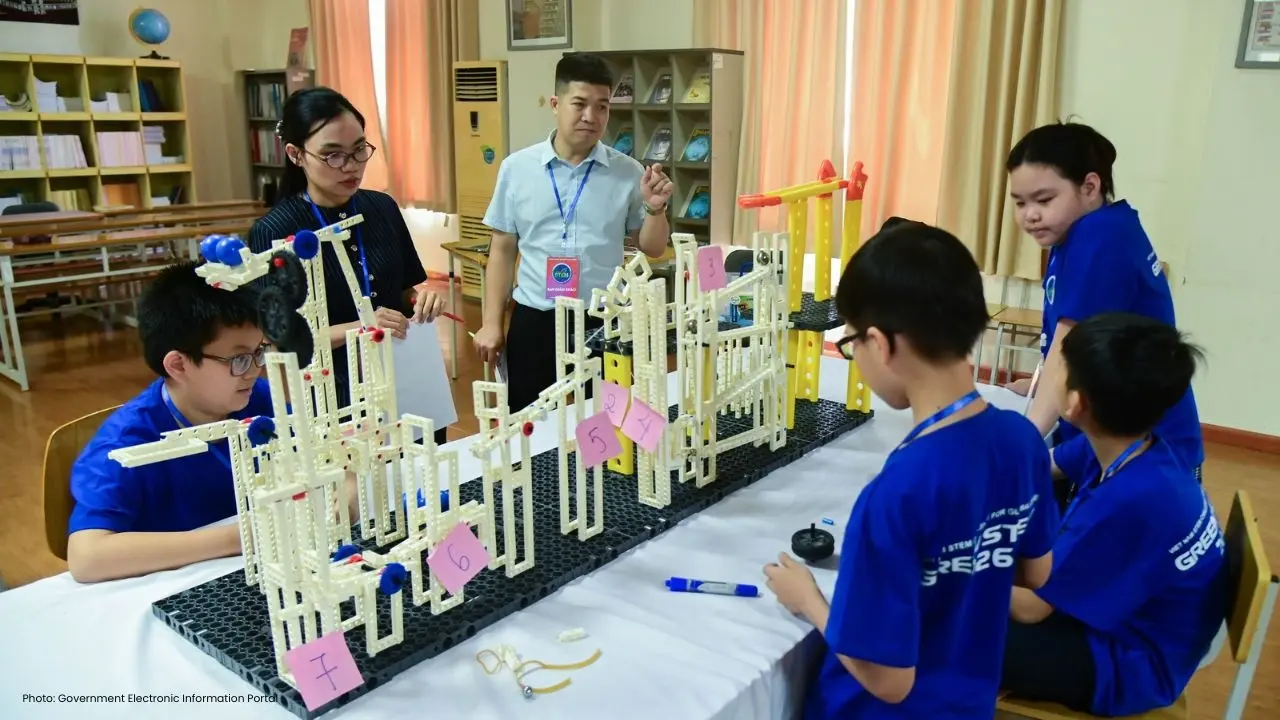
Experiences such as workshops and internships will complement theoretical knowledge, making practical insights vital.
Collaboration Among Peers
Students will work together more, sharing resources and building essential communication skills for their future careers.
Global Perspectives in Education
Preparing Students for a Global Context
The education system will highlight global awareness and collaborative problem-solving, essential in interconnected societies.
International Learning Experiences
Global classrooms and virtual exchanges will enhance educational depth, providing international exposure to students.
Value of Multilingualism
Language acquisition will become increasingly vital, improving opportunities in business and diplomacy.
Focus on Student Well-Being
Emotional Intelligence in Education
Fostering skills such as:
-
empathy
-
self-confidence
-
resilience
-
conflict resolution
-
mindfulness
Mental welfare will become as important as academic success.
Comprehensive Counseling Support
Future educational institutions will provide:
-
wellness initiatives
-
mental health programs
-
qualified counselors
-
peer-led support groups
Happier students translate to more effective learning outcomes.
Promoting Lifelong Learning
Education Beyond Formal Graduation
Continuous skill upgrades will be critical, facilitated through:
-
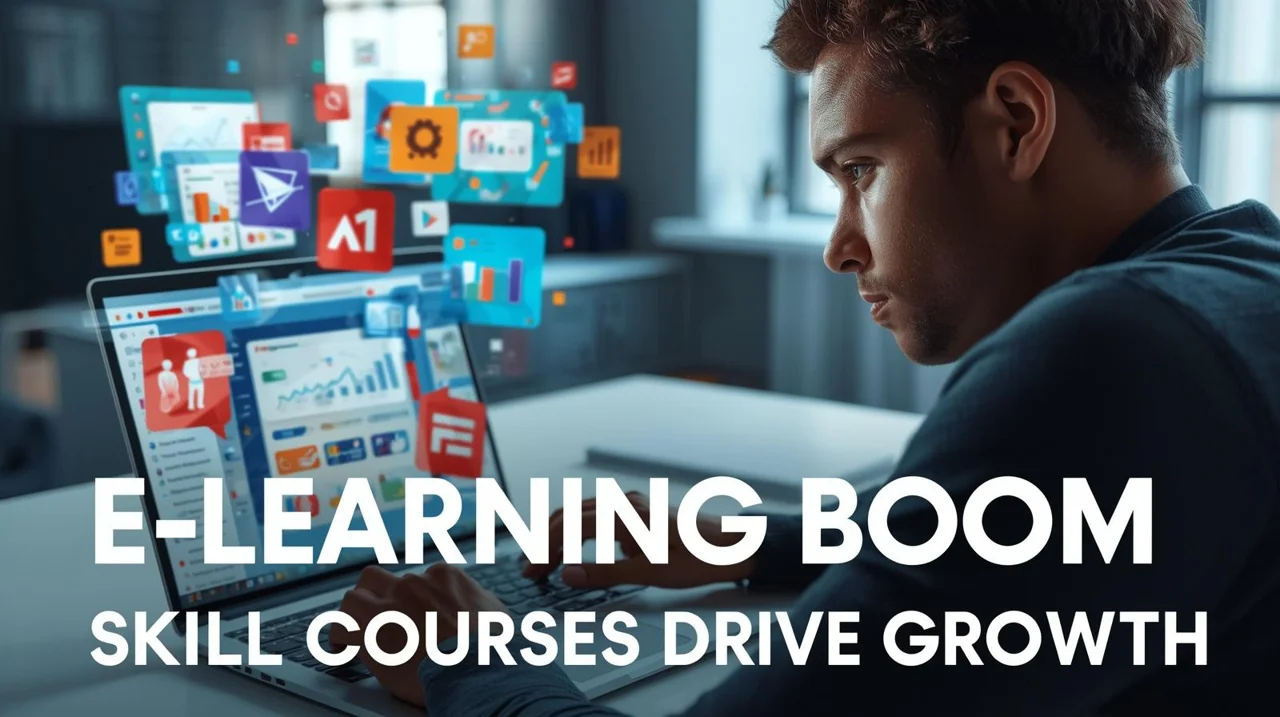
online education
-
micro-credentialing
-
AI-enhanced learning
-
virtual training sessions
This ongoing pursuit of education will prepare individuals for shifting career landscapes.
Embracing Career Flexibility
Job transitions will be common, and education will offer tailored pathways that allow for continual growth.
Challenges Ahead for Education's Future
Addressing the Digital Divide
Access to technology is vital, and equitable availability must be prioritized to avoid widening gaps in education.
Balancing Technology and Humanity
While AI enhances learning, it must not overshadow the essential human elements of compassion and ethics.
Ensuring Quality in Online Education
Maintaining high standards in digital learning is critical to avoid misinformation and subpar programs.
Conclusion: A Revolution in Learning Awaits
The future of education is set to be inclusive, flexible, and rooted in real-world experiences, opening up new avenues for learning. As we navigate this transformative period, educators and students alike will play pivotal roles.
It's no longer simply about preparing for jobs, but for resilient living in a fluid world.
Disclaimer:
This piece serves informational purposes and reflects current trends in global education.