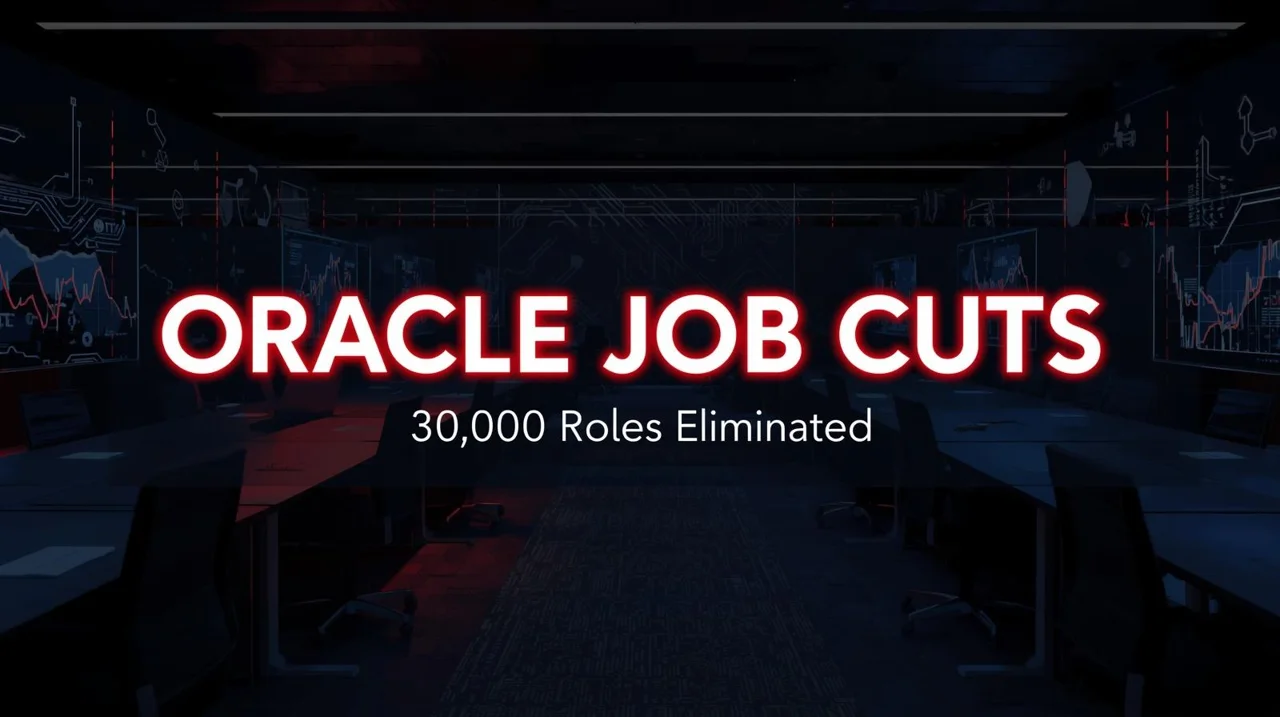
Tech Layoffs Surge in 2026 as Global Economic Uncertainty Deepens
The global tech industry in 2026 is facing a challenging period as layoffs continue across major companies. Once considered one of the most stable and high-growth sectors, technology is now undergoing a major reset due to economic uncertainty, rising costs, and changing business priorities.
From startups to large corporations, companies are cutting jobs to stay financially stable in an unpredictable global environment.
Why Tech Layoffs Are Increasing in 2026
Global Economic Slowdown
Economic uncertainty across regions like United States, Europe, and Asia is forcing companies to reduce expenses and optimize operations.
Rising Interest Rates
Higher borrowing costs are making it difficult for companies—especially startups—to secure funding, leading to budget cuts and layoffs.
Post-Pandemic Hiring Correction
During the pandemic, many tech companies hired aggressively. Now, they are adjusting their workforce to match current demand.
Shift in Business Priorities
Companies are focusing more on profitability rather than rapid expansion, leading to restructuring and job cuts.
Major Tech Giants Affected
Several leading companies have announced layoffs or hiring freezes, including:
- Amazon
- Meta
- Microsoft
These companies are restructuring teams, cutting non-essential roles, and focusing on core business areas like AI and cloud computing.
Startups Facing the Biggest Impact
Startups are particularly vulnerable during economic downturns.
- Funding has slowed down significantly
- Investors are becoming more cautious
- Many startups are shutting down or downsizing
Unlike large corporations, startups have limited financial reserves, making layoffs a necessary survival strategy.
Which Roles Are Most Affected?
Non-Core Roles
Marketing, HR, and support functions are seeing higher layoffs compared to technical roles.
Entry-Level Positions
Fresh graduates and junior employees are facing more challenges in securing jobs.
Redundant Roles
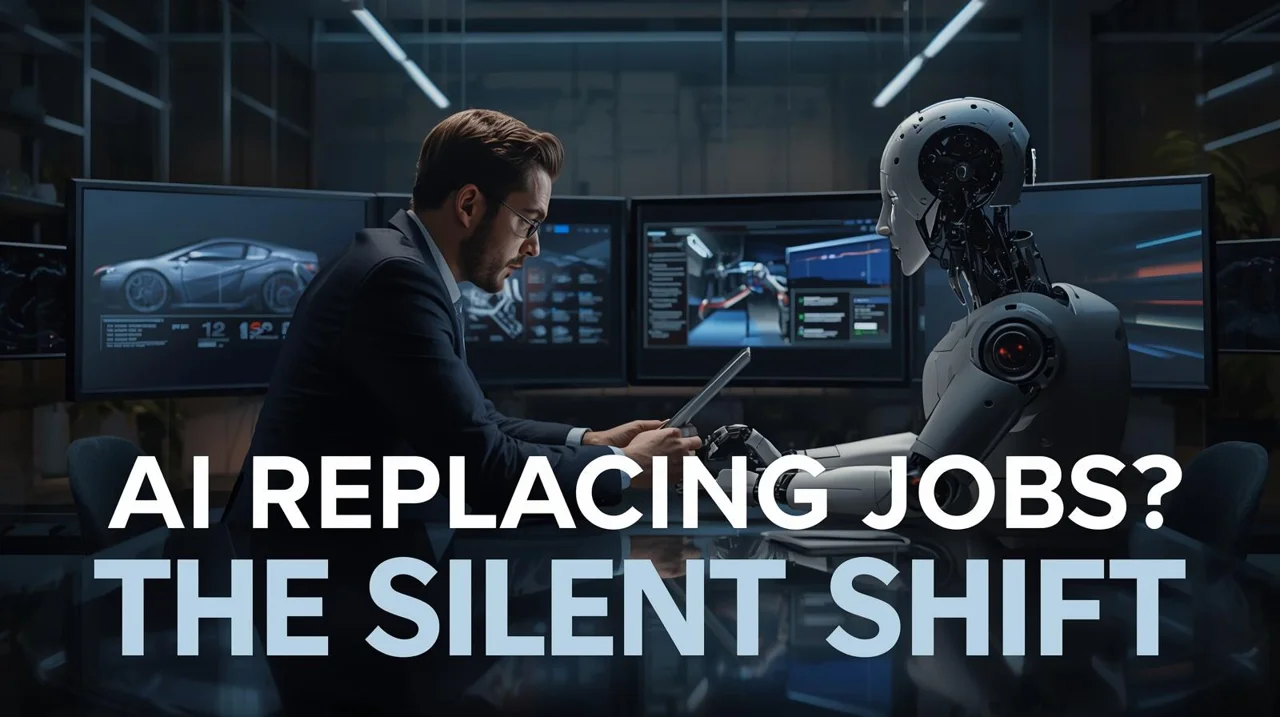
Positions that can be automated or replaced with AI tools are being reduced.
Rise of AI and Automation in Workforce Changes
The growth of artificial intelligence is also playing a role in job restructuring.
- Companies are automating repetitive tasks
- AI tools are replacing certain roles
- Demand is shifting toward high-skill tech jobs
While AI is creating new opportunities, it is also reducing the need for some traditional roles.
Impact on Employees and Job Market
Increased Job Competition
More professionals are competing for fewer job openings.
Shift Toward Freelancing and Remote Work
Many professionals are turning to freelance or contract-based work.
Upskilling Becomes Essential
Learning new skills, especially in AI and data, is becoming necessary for career growth.
Global Impact of Tech Layoffs
India
India’s tech workforce is feeling the ripple effects, especially in IT services and startup ecosystems.
United States
As a global tech hub, layoffs in the U.S. are influencing hiring trends worldwide.
Europe
European tech firms are also cutting costs due to economic pressures.
The global nature of the tech industry means layoffs in one region impact opportunities everywhere.
How Companies Are Adapting
Cost Optimization
Reducing operational expenses and focusing on efficiency.
Investment in AI and Innovation
Redirecting resources toward emerging technologies.
Hiring Freeze Instead of Expansion
Companies are slowing down hiring to maintain financial stability.
Restructuring Teams
Focusing on high-performing and essential roles.
Future Outlook: What Lies Ahead
- Continued layoffs in the short term
- Increased demand for specialized skills
- Growth in AI, cybersecurity, and data-related jobs
- Stabilization once economic conditions improve
The industry is expected to recover, but with a more efficient and skill-focused workforce.
Tech layoffs in 2026 highlight a major shift in the industry—from rapid expansion to sustainable growth. While the current phase is challenging, it is also reshaping the future of work in technology.
For professionals, adapting to new trends, upgrading skills, and staying flexible will be key to long-term success.
Disclaimer
This article is for informational purposes only. Job market conditions may change based on economic developments. Readers should explore multiple sources and career options before making decisio