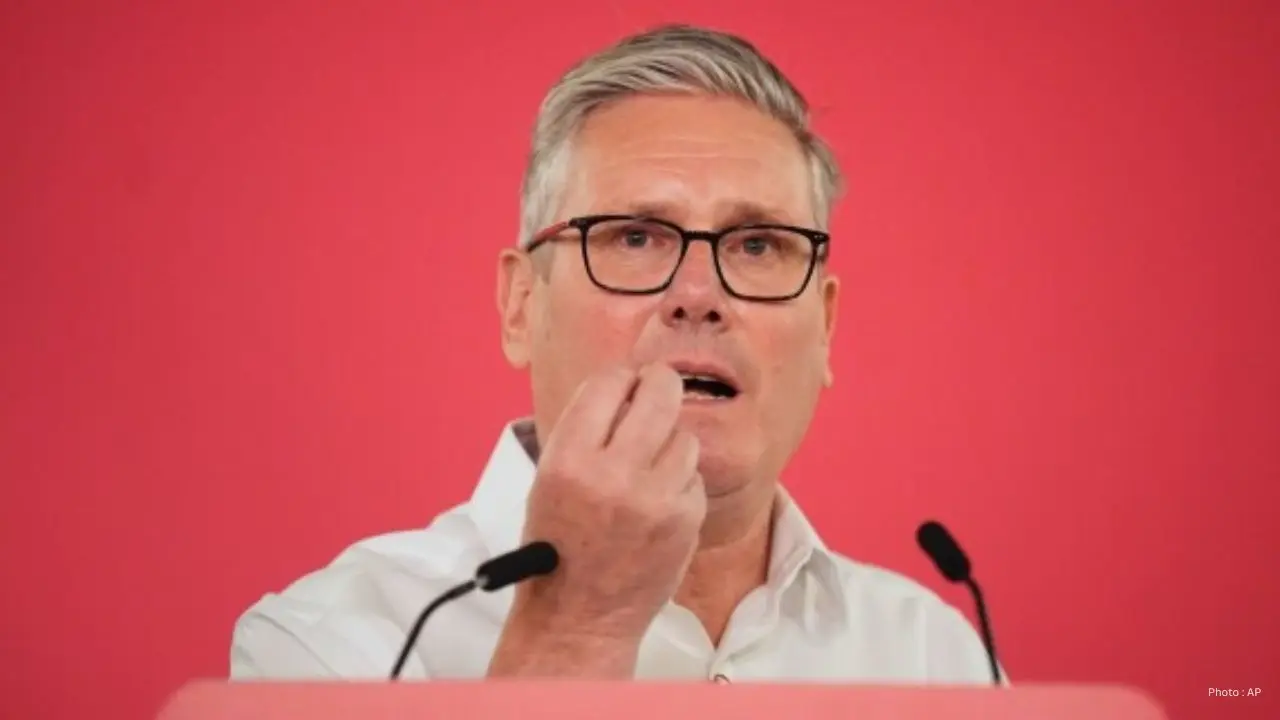
During a recent cabinet meeting, Keir Starmer reassured his ministers of his determination to stay on as leader, notwithstanding mounting political pressures and demands for his resignation from critics. This commitment comes at a time when the internal dynamics of British politics are particularly fraught, sparking renewed discussions about the government's trajectory.
Starmer reportedly expressed to his cabinet that he remains dedicated to guiding the country, highlighting the significance of stability and unity while urging colleagues to concentrate on economic recovery, public service, and national priorities instead of political distractions.
In light of recent criticisms centered on government performance and economic difficulties, Starmer faces intensified scrutiny from opposition figures and political commentators, who have raised questions regarding his leadership amid declining public support as evidenced by recent opinion polls.
Despite the backlash, he maintains a belief in the government's robust mandate to pursue its strategic objectives. Friends of the prime minister indicate he is resolute about enhancing healthcare services, boosting the economy, controlling inflation, and addressing pressing public issues regarding cost of living and immigration.
Political analysts suggest that speculation about leadership is typical in the UK during tough economic times and when approval ratings dip. Intensified media scrutiny around Starmer’s leadership has resulted from recent local election results and internal Labour disagreements, although key ministers continue to support him openly.
Starmer also cautioned his cabinet against letting internal conflicts detract from the government’s main agendas. He emphasized the need to present a unified front to voters, particularly as households across the UK grapple with economic strains such as rising costs and inflation.
Opposition parties have persistently criticized the administration’s management and policy choices, arguing that public trust has dwindled in recent months. Nonetheless, supporters of Starmer argue that changes in leadership would bring unnecessary upheaval and divert focus from critical policy developments.
This issue has captivated British media attention, with observers closely watching if dissent within the Labour Party intensifies. Analysts believe that Starmer's capacity to preserve unity within his cabinet and sustain public backing will largely shape the duration of the current political scrutiny.
As it stands, Starmer remains resolute in his leadership role, continuing to prioritize domestic policy and upcoming parliamentary actions while dismissing calls for him to resign.