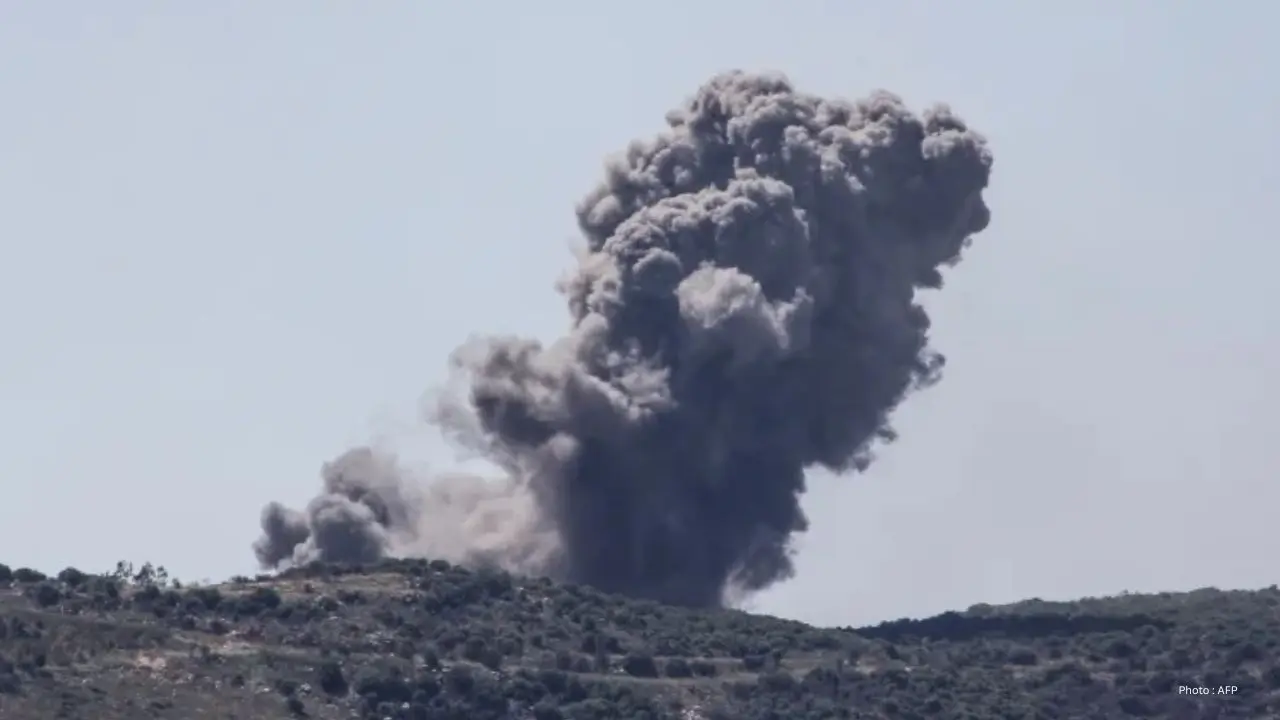
In a significant emergency, thousands of individuals in Southern California were compelled to evacuate after a chemical storage tank at a local aerospace facility exhibited potential failure signs, inciting fears of a toxic leak or explosion. The chaos unfolded in Garden Grove, roughly 30 miles from Los Angeles. Quickly, evacuation orders impacted close to 40,000 residents across various adjacent communities as responders hastened to avert a disaster.
The crisis started when a large tank containing methyl methacrylate, a highly flammable substance utilized in plastics and aerospace part manufacturing, began overheating and emitting vapors. Officials alerted that the tank could either rupture, allowing hazardous chemicals to spill, or explode, possibly setting off a wider emergency involving nearby hazardous material storage.
This chemical tank resides at a facility run by GKN Aerospace in Garden Grove, where aircraft components are manufactured for top aviation firms, including Airbus and Boeing. Fire officials alerted that the situation escalated after an updated inspection revealed increased explosion risks tied to the damaged tank.
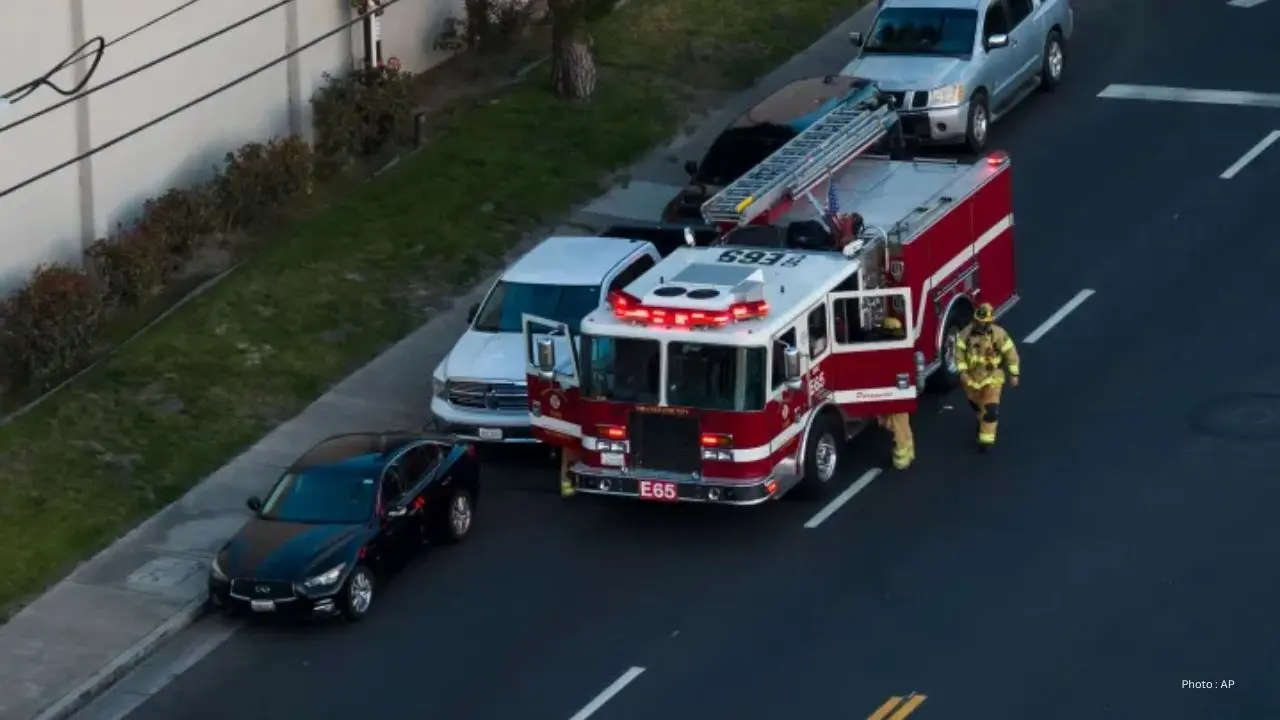
Emergency crews from the Orange County Fire Authority sprang into action, employing remote-controlled systems to cool the tank from a safe distance. Firefighters indicated that cooling the tank’s temperature provided crucial time while experts sought a permanent remedy. Officials referred to the situation as “unprecedented,” given the unstable state of the chemical tank and the associated dangers in the industrial vicinity.
Evacuation zones were widened to encompass six cities: Garden Grove, Anaheim, Cypress, Stanton, Buena Park, and Westminster. Nearby schools were closed as a precautionary measure. Emergency shelters opened to accommodate displaced families, while law enforcement and emergency responders remained steadfast in urging residents to evacuate promptly. Despite numerous alerts, reports indicated that several thousand individuals hesitated to leave, concerned for their homes, businesses, and pets.
Health officials cautioned that exposure to methyl methacrylate vapors can result in severe respiratory issues, eye irritation, headaches, and other health risks. Air quality teams continuously monitored surrounding locales throughout the day, confirming no hazardous vapor levels had been detected outside the evacuation zones. However, officials maintained that the danger could escalate rapidly should the tank breach or explode.
Local leaders implored residents to adhere to evacuation directives and refrain from returning until the area is declared safe by emergency personnel. Mayor Stephanie Klopfenstein of Garden Grove emphasized that ensuring public safety remained the utmost priority as crews worked diligently to stabilize the chemical tank. Authorities constructed containment barriers around the facility to prevent potential chemical runoff from entering storm drains or nearby waterways.
This incident has sparked broader discussions regarding industrial safety and emergency measures in densely populated Californian regions. Experts indicate that hazardous chemical incidents pose extreme risks when industrial plants are sited near residential areas. Continuous monitoring of the tank is underway, with chemical specialists from across the nation collaborating to devise a comprehensive plan for securing the site.