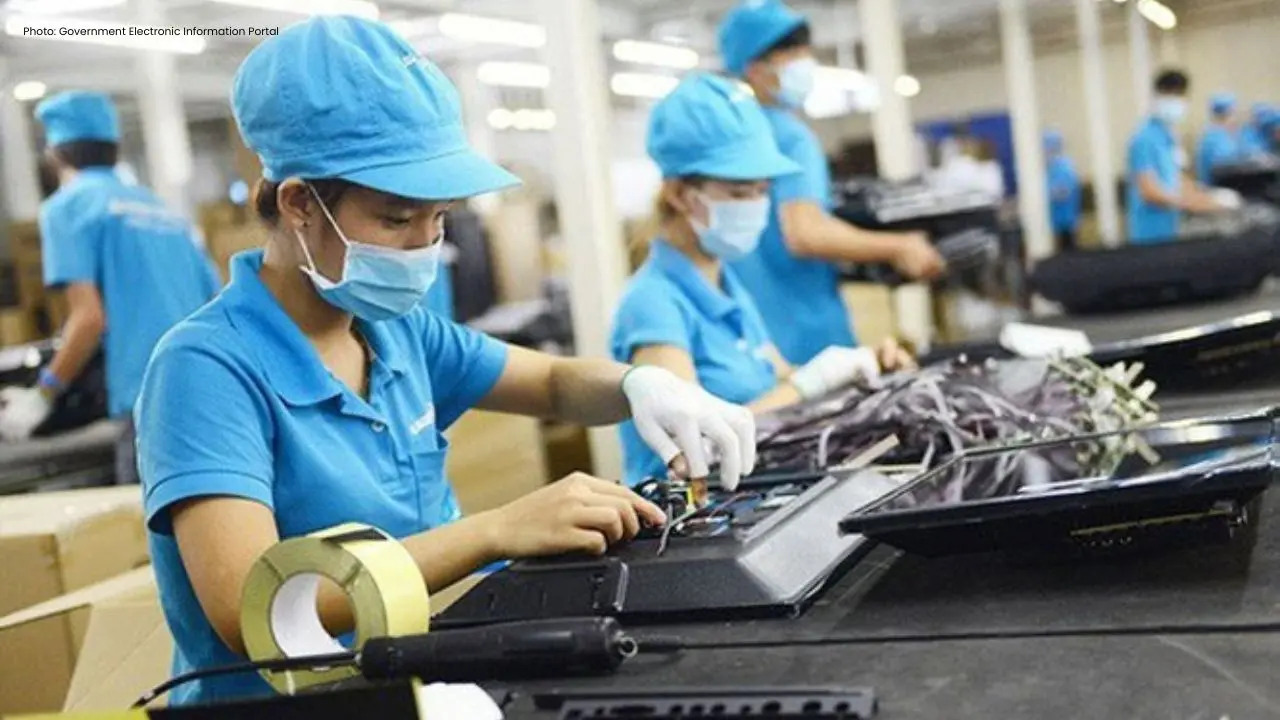
Samsung Electronics is on the brink of its largest strike in history, as over 45,000 workers threaten to launch an 18-day strike starting May 21 amidst disputes over bonus payments tied to the booming artificial intelligence sector.
This standoff arises as Samsung reaps substantial profits from the increasing global demand for memory chips used in AI data centers, smartphones, and laptops. The firm has enjoyed robust earnings due to the worldwide shortage of advanced memory chips.
Union representatives assert that the workforce deserves a fairer portion of the profits amassed during this AI-driven growth phase. The crux of the disagreement revolves around bonus payouts and compensation linked to the firm’s financial success.
Despite Samsung’s generous bonus proposals, discussions between management and labor unions have yet to culminate in a final agreement. Union leaders maintain that the current offers fall short in reflecting the company’s earnings during the AI expansion.
The looming strike has alarmed the South Korean government and foreign investors alike. Experts in the industry caution that a prolonged walkout at Samsung could disrupt global supply chains, particularly for semiconductor components critical to technology products worldwide.
As a leading producer of memory chips, any significant slowdown in Samsung’s production could have vast implications for sectors connected to artificial intelligence, consumer electronics, and cloud computing.
Analysts note that this situation symbolizes a growing conversation in the tech sector concerning profit distribution arising from the rapid advancement of AI technologies. Workers across various fields are increasingly advocating for improved wages and benefits as AI-related profits keep soaring.
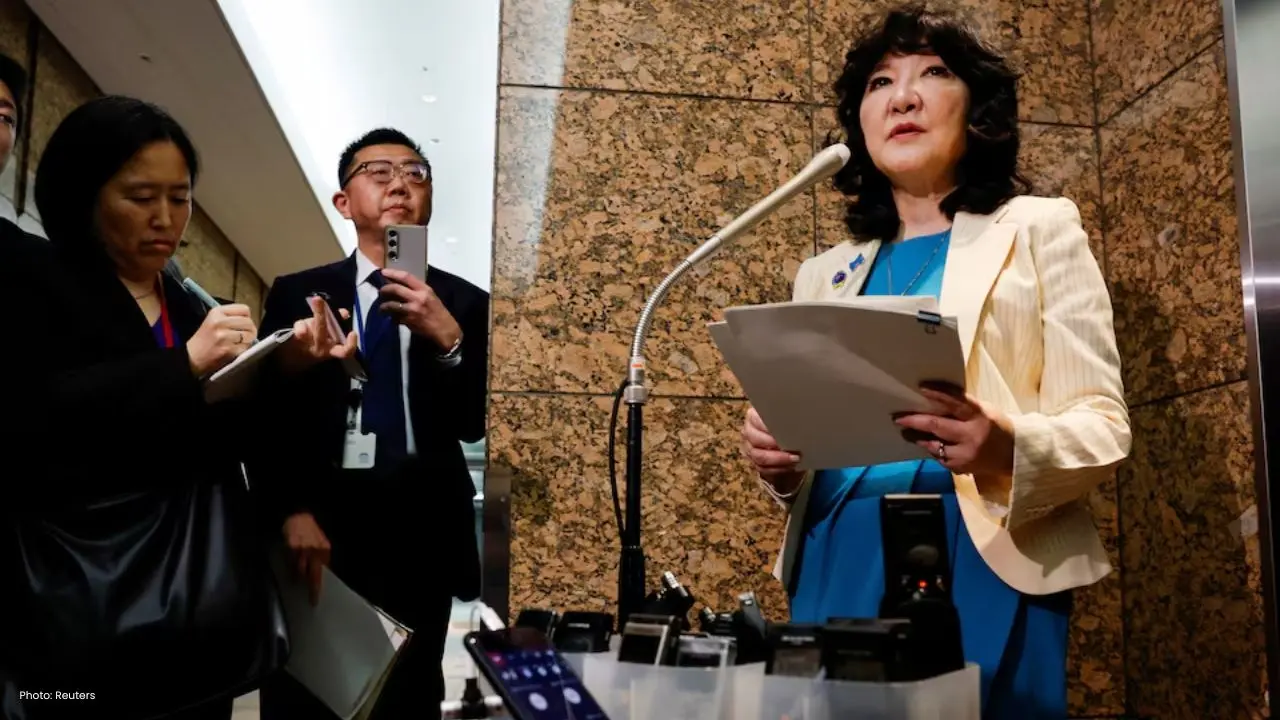
Discussions between Samsung executives and labor unions are expected to persist in the coming days as both parties strive to avert a large-scale strike that could impact the global semiconductor landscape.