The State of Qatar has welcomed the signing of the joint statement concluding negotiations on a free trade agreement between the Gulf Cooperation Council (GCC) and the United Kingdom, calling it a major milestone in Gulf–British relations.
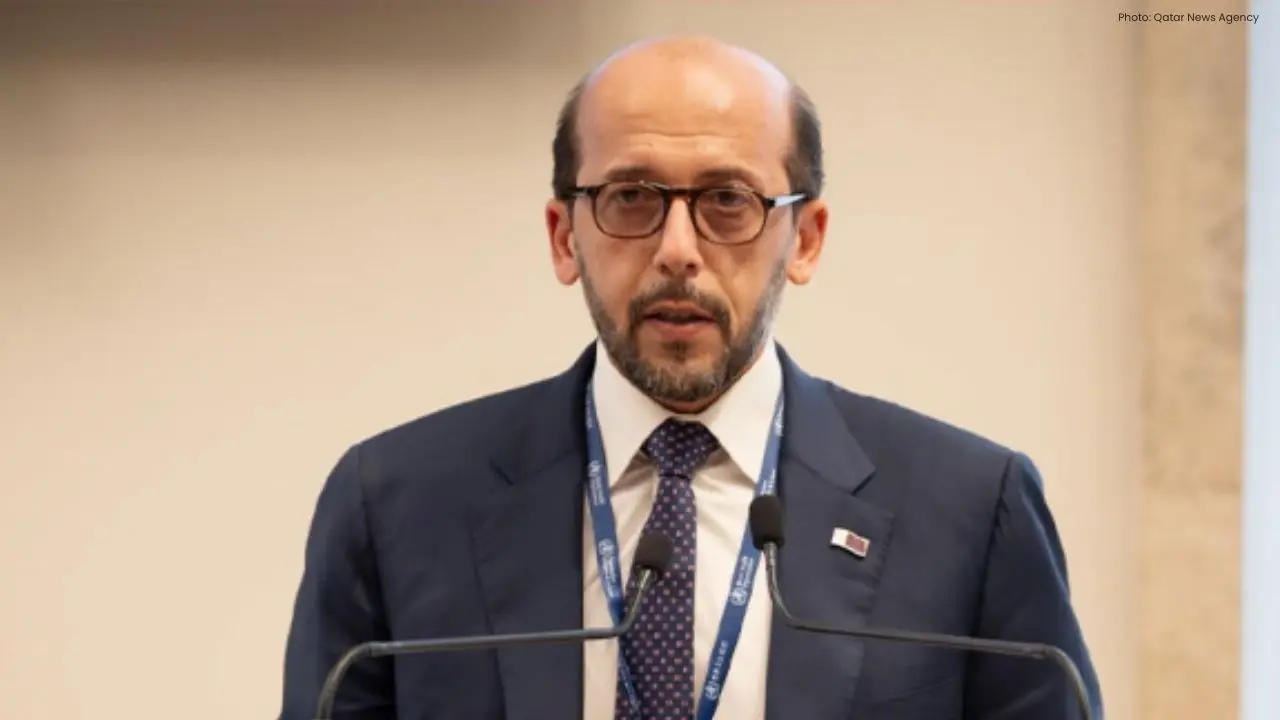
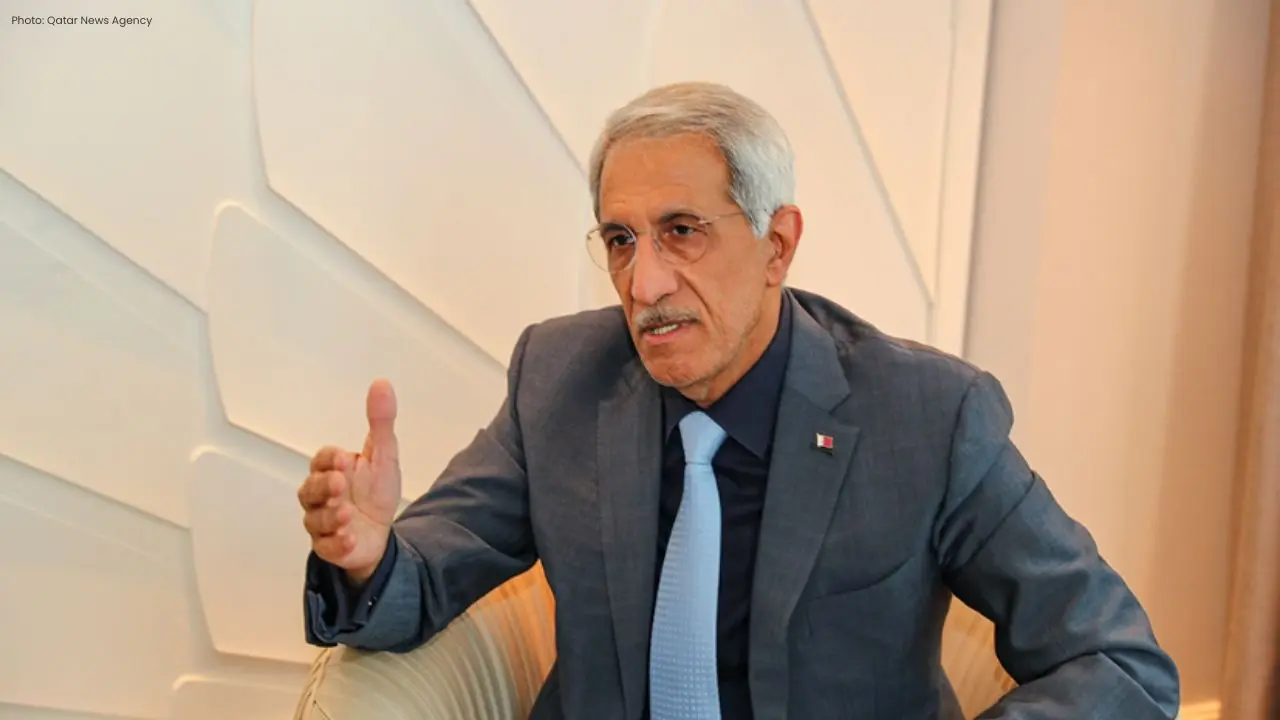
HE Sheikh Abdullah bin Mohammed bin Saud Al-Thani, Ambassador of Qatar to the United Kingdom, said in remarks to Qatar News Agency (QNA) that the agreement marks a shift from negotiations to a long-term institutional economic partnership between the two sides.
He said the deal reflects Qatar’s strategy of diversifying international economic partnerships and strengthening its position as a regional hub for trade, investment, and energy. The agreement also supports Qatar National Vision 2030, which focuses on building a competitive, open, and globally connected economy.
According to the ambassador, the GCC–UK trade agreement creates a new framework for cooperation that goes beyond traditional trade. It aims to deepen collaboration in investment, energy, technology, and the digital economy, while supporting sustainable development, knowledge transfer, and private sector growth.
He added that the agreement is expected to open wide opportunities for Qatar in key sectors including energy, financial services, logistics, education, healthcare, technology, and investment. It will also help Qatari companies access the UK market more easily and encourage mutual investment.
The ambassador noted that Qatar plans to use the agreement to accelerate economic diversification and strengthen its digital and knowledge-based economy, while improving the global competitiveness of its private sector.
He said signing the deal during current global and regional challenges sends a strong message that GCC countries and the UK support economic stability, long-term cooperation, and secure global supply chains.
He further explained that Qatar remains committed to economic diplomacy and strengthening its role as a trusted international partner that supports stability, dialogue, and cooperation, while also enhancing energy security.
The next phase of cooperation is expected to expand into industries such as artificial intelligence, cybersecurity, clean energy, financial services, digital economy, and innovation. Qatar aims to build advanced partnerships based on technology, expertise exchange, and capacity building.
On implementation, the ambassador said the agreement will now go through legal procedures and formal ratification, followed by the activation of technical committees and cooperation frameworks between governments and the private sector. The focus will be on turning the agreement into real investment and business opportunities.
He added that the agreement is designed to reduce trade barriers, improve trade and investment flows, and strengthen cooperation in services, digital trade, and investment protection.
According to him, GCC countries have become key partners in the UK’s trade strategy due to their economic strength and role in global energy markets. He also highlighted Qatar’s strong and trusted strategic relationship with the UK across politics, energy, investment, education, defense, and culture.
The ambassador concluded that Gulf–British relations are moving toward deeper strategic economic integration, driven by cooperation in technology, finance, AI, and innovation, supporting Qatar’s goal of building a diversified and sustainable knowledge-based economy.