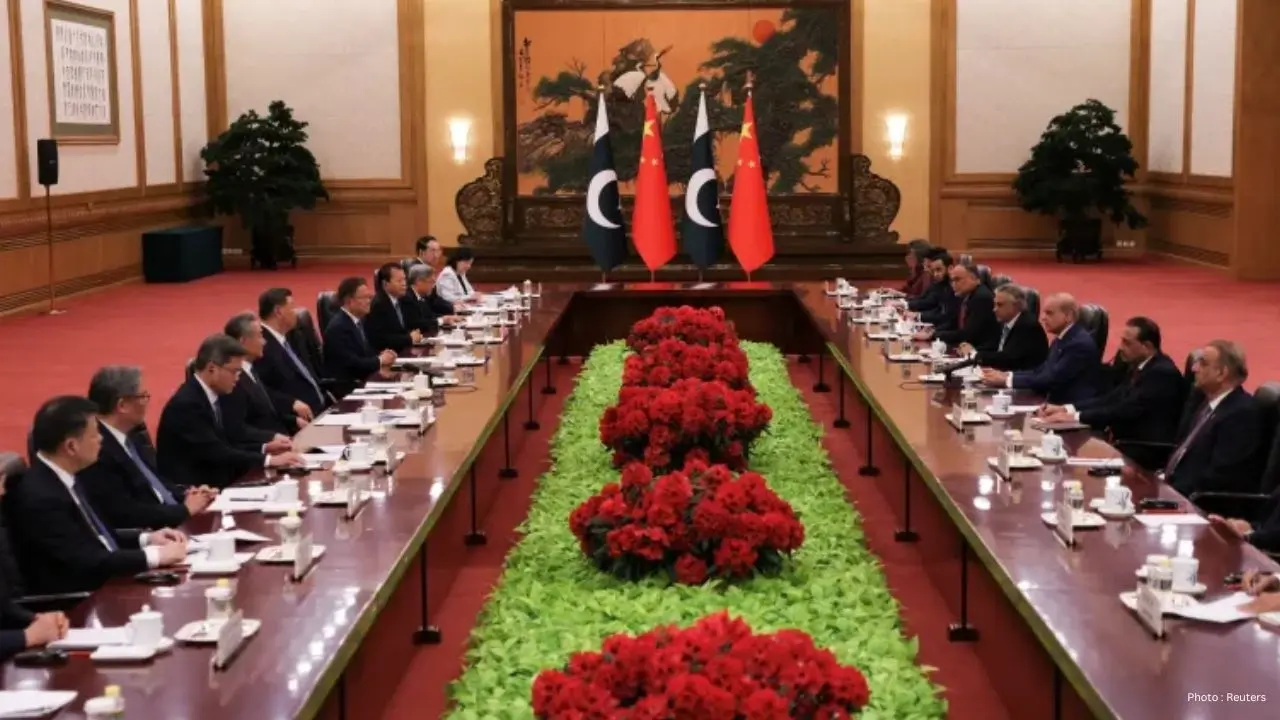
Chinese President Xi Jinping has extolled the “unbreakable” bond between China and Pakistan as he met with Prime Minister Shehbaz Sharif in Beijing. The focus of these discussions was on enhancing economic collaboration, ensuring regional security, and advancing infrastructure investments between the two allied nations. Officials characterized these talks as a pivotal moment for solidifying their strategic alliance in the face of escalating global and regional tensions.
During their official rendezvous, Xi remarked that the friendship shared by China and Pakistan has endured through transformational global dynamics. State media conveyed that he termed this partnership an “all-weather strategic partnership” while reiterating China's commitment to supporting Pakistan's economic resilience, sovereignty, and stability. Additionally, Xi spotlighted the significance of the China-Pakistan Economic Corridor (CPEC), a vital initiative under China's broader Belt and Road strategy.
In return, Prime Minister Shehbaz Sharif expressed gratitude for China's unwavering financial and diplomatic assistance, particularly during Pakistan’s recent economic trials. Sharif affirmed Pakistan's dedication to furthering cooperation in various sectors, including trade, infrastructure, energy, technology, and defense. He acknowledged Beijing’s vital role in supporting diverse developmental projects throughout Pakistan, which comprise highways, ports, railways, and power facilities connected to CPEC.
This visit arrives at a crucial juncture for Pakistan, grappling with economic challenges such as inflation and escalating debt crises. Analysts suggest that Pakistan is eager for increased Chinese investments to facilitate its economic recovery and stabilize key development initiatives. Dialogues reportedly encompassed ways to boost industrial cooperation, amplify Chinese investments, and expedite delayed infrastructure undertakings.
Security was also a priority of the meetings, with China expressing persistent concerns over attacks targeting its nationals and enterprises in Pakistan. Pakistani authorities assured their counterparts that additional measures are being implemented to enhance protection for Chinese employees and businesses operating in the region. The two sides also tackled issues relating to counterterrorism and regional stability amidst rising tensions in South Asia and Afghanistan.
The partnership between China and Pakistan is recognized as one of the tightest strategic alliances in Asia. Over the years, they have closely collaborated across defense, trade, energy, and diplomatic fronts. China has emerged as Pakistan’s principal trading ally and a major source of foreign investments. Military collaboration has intensified, featuring joint exercises and defense technology deals.
Political analysts speculate that this visit underscores broader geopolitical significance. Amid increasing global competition among superpowers, China and Pakistan are reinforcing their connections. Experts assert that Pakistan's geographic positioning and access to the Arabian Sea make it a vital regional kin for Beijing. Conversely, Pakistan regards China as a steadfast economic and strategic partner in challenging international landscapes.
International observers closely monitored the Beijing meetings, with an understanding that heightened China-Pakistan collaboration may affect regional politics, trade avenues, and security frameworks throughout South Asia. The discussions showcased China's escalating diplomatic and economic footprint in the region via sustainable infrastructure and investment partnerships.
At the visit's conclusion, both nations released statements reiterating their mutual commitment to deepened cooperation and an enduring partnership. Officials articulated their intention to continue collaborative efforts towards economic progress, regional tranquility, and connecting infrastructure development across Asia. These recent talks further emphasize the significance that both countries attribute to their diplomatic rapport.