How Location Hype Inflates Property Prices Without Long-Term Value
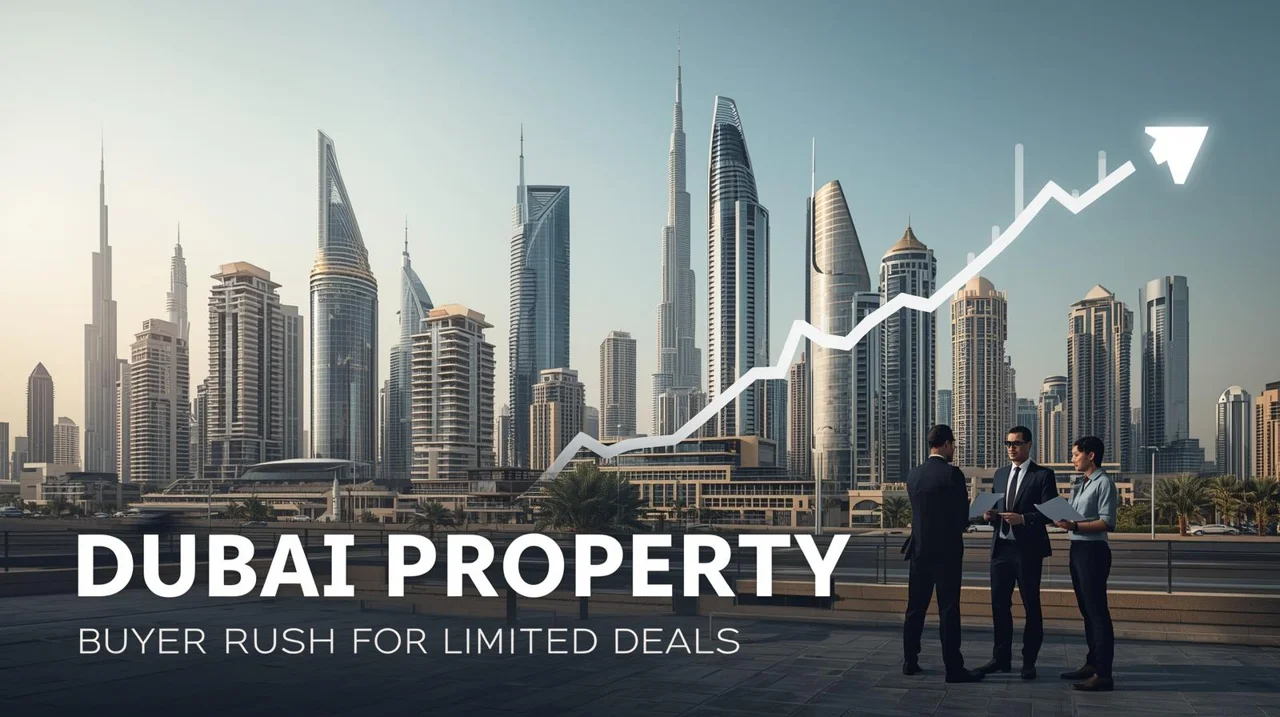
Real estate buyers are often told one powerful line: “Buy early in a hyped location.” While location is undeniably important, not all popular locations deliver long-term value. In many cases, location hype artificially inflates property prices, creating short-term excitement but poor long-term returns. Buyers end up paying a premium for perception rather than fundamentals.
This article explains how location hype is created, why it pushes prices beyond real value, how it impacts long-term appreciation and rental returns, and how buyers can identify locations with real growth potential instead of temporary buzz.
What Is Location Hype in Real Estate?
Location hype refers to excessive market excitement around a particular area driven by announcements, marketing narratives, or speculative expectations rather than existing demand and infrastructure.
Hype-driven locations often experience:
-
Sudden price spikes
-
Aggressive marketing campaigns
-
Over-promised future development
-
Heavy investor speculation
These price increases are not always backed by economic activity, job creation, or livability.
How Location Hype Is Created
Location hype rarely happens organically. It is often manufactured and amplified.
Future infrastructure announcements
Planned metro lines, airports, highways, or smart city projects are frequently used to justify immediate price increases—even when completion is 8–10 years away.
Developer-driven marketing
Builders promote phrases like “next prime hub,” “future downtown,” or “upcoming IT corridor” to create urgency.
Media amplification
News articles, property portals, and influencer content repeat the same growth story, reinforcing buyer belief.
Investor herd behavior
Early investors buy expecting quick appreciation, pushing prices higher and attracting more buyers.
This creates a self-fulfilling short-term price rise disconnected from present utility.
Why Buyers Fall for Location Hype
Even rational buyers are vulnerable to hype due to emotional and psychological factors.
Fear of missing out
Buyers worry prices will rise further, pushing them to buy before evaluating fundamentals.
Social proof
Seeing others invest creates a sense of validation, even when data is weak.
Anchoring bias
Once prices rise, buyers assume higher prices equal higher value.
Long-term optimism
People overestimate how fast development will actually happen.
These biases cause buyers to pay tomorrow’s price for today’s reality.
The Gap Between Price and Practical Value
In hyped locations, property prices rise faster than:
-
Rental demand
-
Job creation
-
Population movement
-
Infrastructure readiness
This gap creates a fragile pricing structure.
Low rental yields
High purchase prices combined with low rental demand result in poor rental returns.
Weak resale liquidity
When hype fades, resale buyers disappear, making exits difficult.
Long holding periods
Owners are forced to hold properties longer than planned just to break even.
Price without utility is not real value.
Infrastructure Delays and Their Impact
Most hyped locations rely heavily on future infrastructure promises.
The reality of delays
-
Regulatory approvals
-
Funding issues
-
Political changes
-
Land acquisition challenges
Delays of 5–10 years are common, during which: -
Capital remains locked
-
Opportunity cost increases
-
Maintenance costs add up
Buyers who priced in future growth early suffer from time value erosion.
Oversupply Risk in Hype-Driven Areas
When hype peaks, developers rush to launch projects.
What oversupply causes
-
Slower price appreciation
-
Rental competition
-
Discounted resale prices
-
Reduced negotiation power for sellers
Supply often outpaces real demand, weakening long-term returns.
Speculation vs End-User Demand
Healthy real estate growth is driven by end users, not speculators.
Hype-driven locations rely on
-
Investors buying for appreciation
-
Minimal self-use demand
-
Short-term holding strategies
When speculative interest declines, prices stagnate or fall.
End-user demand creates stability; speculation creates volatility.
How Location Hype Affects Long-Term Appreciation
True appreciation is slow, consistent, and demand-driven.
Hyped locations often experience:
-
Sharp early rise
-
Long stagnation phase
-
Underperformance compared to fundamentals-based areas
In contrast, boring but functional areas with jobs, schools, hospitals, and transport often outperform quietly.
Rental Market Reality vs Sales Pitch
Rental demand depends on:
-
Job proximity
-
Daily commute convenience
-
Social infrastructure
-
Lifestyle amenities
Hyped locations often lack these in early years, leading to: -
Vacant units
-
Lower-than-expected rents
-
Higher tenant turnover
Rental stress reduces cash flow and investor confidence.
Opportunity Cost of Buying into Hype
Money locked into an overpriced property loses:
-
Alternative investment growth
-
Liquidity flexibility
-
Ability to upgrade or diversify
The biggest cost of hype is not loss—it’s missed opportunity elsewhere.
How to Identify Real Value Locations
Avoid hype by focusing on fundamentals.
Look for existing demand
Areas with active residential occupancy, schools, hospitals, and offices show real usage.
Study rental yield trends
Consistent rental demand indicates sustainable value.
Track job creation
Employment hubs drive long-term housing demand.
Observe infrastructure completion, not announcements
Completed roads, metros, and utilities matter more than planned ones.
Analyze price-to-income ratio
If locals cannot afford to live there, growth will struggle.
Questions Every Buyer Should Ask
-
Who lives here today?
-
Why would someone rent here now?
-
What happens if development is delayed?
-
Is demand organic or speculative?
-
Does price reflect utility or future promises?
Clarity protects capital.
Why “Boring” Locations Often Perform Better
Areas without hype often offer:
-
Stable appreciation
-
Strong rental demand
-
Better resale liquidity
-
Lower downside risk
Long-term wealth in real estate is built through patience, not excitement.
Smart Buyer Strategy in a Hype-Driven Market
-
Avoid rushed decisions
-
Compare hype locations with established alternatives
-
Prioritize cash flow over appreciation stories
-
Negotiate aggressively in speculative zones
-
Invest where people already want to live
Final Perspective on Location Hype
Location matters—but hype distorts reality. Paying inflated prices for future promises exposes buyers to stagnation, stress, and lost opportunity. Real estate success comes from understanding demand, timing, and utility—not chasing buzz.
In property investing, clarity beats excitement every time.
Disclaimer
This article is intended for general informational purposes only and does not constitute real estate, legal, or financial advice. Property markets vary by region, timing, and economic conditions. Buyers and investors should conduct independent research and consult qualified professionals before making property purchase or investment decisions.