Amid increasing global conflicts, concerns are mounting over the ability of the United States to sustain its military weaponry. From precision-guided munitions to essential artillery rounds, experts warn that pressures on US defense stocks are intensifying as demands rise across various conflict zones.
Particularly alarming is the continued support the US provides to allies embroiled in conflicts, notably in regions like Ukraine and the Middle East. This assistance encompasses a wide array of vital weaponry, including air defense systems, precision munitions, and drones. While the US remains a formidable military powerhouse, experts caution that ongoing engagements in multiple theaters could strain existing resources.
Reports from officials and analysts indicate that some critical weapon systems are being exhausted faster than they can be replenished. Systems such as Patriot missiles and long-range rockets are facing increased turnover rates, reflecting the nature of contemporary warfare that demands timely and abundant access to advanced weaponry. Manufacturing these complex systems is both time-consuming and costly.
Concerns extend beyond current military needs. With ongoing tensions in the Indo-Pacific, particularly concerning China and Taiwan, experts emphasize the need for readiness against potential future threats. Defense strategists warn that should another major conflict occur while stocks are already under duress, challenges in maintaining defense capabilities could arise.
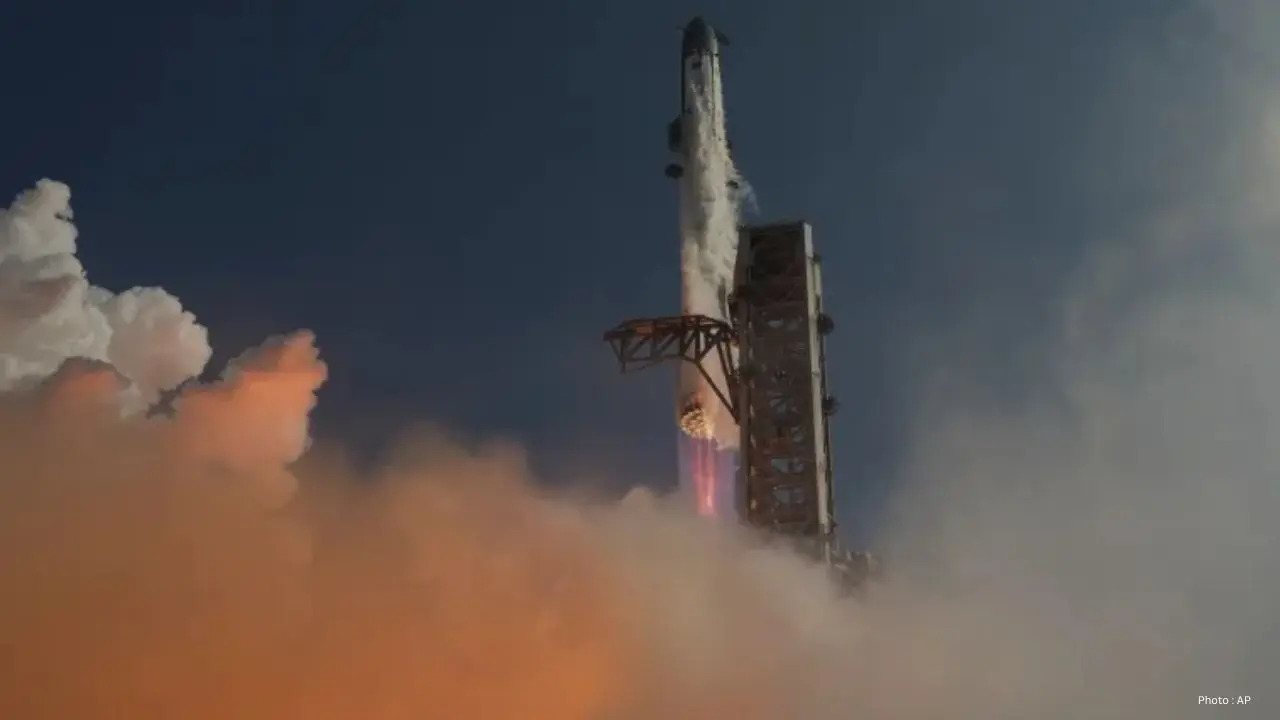
In response, American defense manufacturers are ramping up production efforts. Major companies are expanding operations and investing in innovative technologies to enhance manufacturing efficiency. The Pentagon is also securing billion-dollar contracts aimed at replenishing the military's supplies and bolstering long-term production capacity. Nevertheless, recovering stockpiles is a lengthy endeavor, hampered by intricate global supply chains.
Cost is another significant factor. The price tag for modern munitions is staggering, with some guided missiles reaching millions of dollars each, complicating the replenishment process despite a robust defense budget. Legislators in Washington are grappling with funding allocations for defense while addressing other national priorities.
Furthermore, military analysts point out that the current situation highlights vulnerabilities within the global defense supply chain. The post-Cold War drawdown in military manufacturing has proven shortsighted, as recent conflicts underscore the rapid consumption of munitions. The US and its allies are now striving to rebuild their industrial capabilities, which have been significantly diminished over time.
Despite these concerns, US leaders assert that military readiness remains intact and the country is fully capable of defending itself and assisting allies. Pentagon representatives maintain that American defense capabilities are adjusting to current realities, with ongoing improvements in production already becoming evident. Nevertheless, analysts warn that the present circumstances serve as a crucial reminder that future military planning will necessitate greater stability and capacity in weapons production.
As global tensions continue to escalate, the discourse surrounding US missile and ammunition supplies is set to remain a focal point. Defense experts predict that the upcoming years will be pivotal in determining the success of the US in expanding its military production while ensuring preparedness for potential conflicts across the globe.