The Evolution of Abaya: From Tradition to Modern Runway
The abaya, a long, flowing cloak traditionally worn by women in the Middle East, has undergone a remarkable transformation over the years. Once a symbol of modesty and cultural identity, it has now found its way onto international runways, merging heritage with contemporary fashion. This guide explores the history, evolution, and modern trends of the abaya in 2025.
History of the Abaya
The abaya has its origins in the Gulf region, primarily in countries like Saudi Arabia, UAE, and Qatar. Traditionally, it is a simple black garment that covers the body from shoulders to feet. The abaya’s purpose was modesty and elegance, reflecting cultural and religious values.
In the past, abayas were mostly plain black with minimal embellishments. Women paired them with a headscarf (hijab) or face covering (niqab) to complete the traditional look. The focus was on functionality and modesty, rather than fashion.
Modern Evolution of the Abaya
1. Contemporary Designs
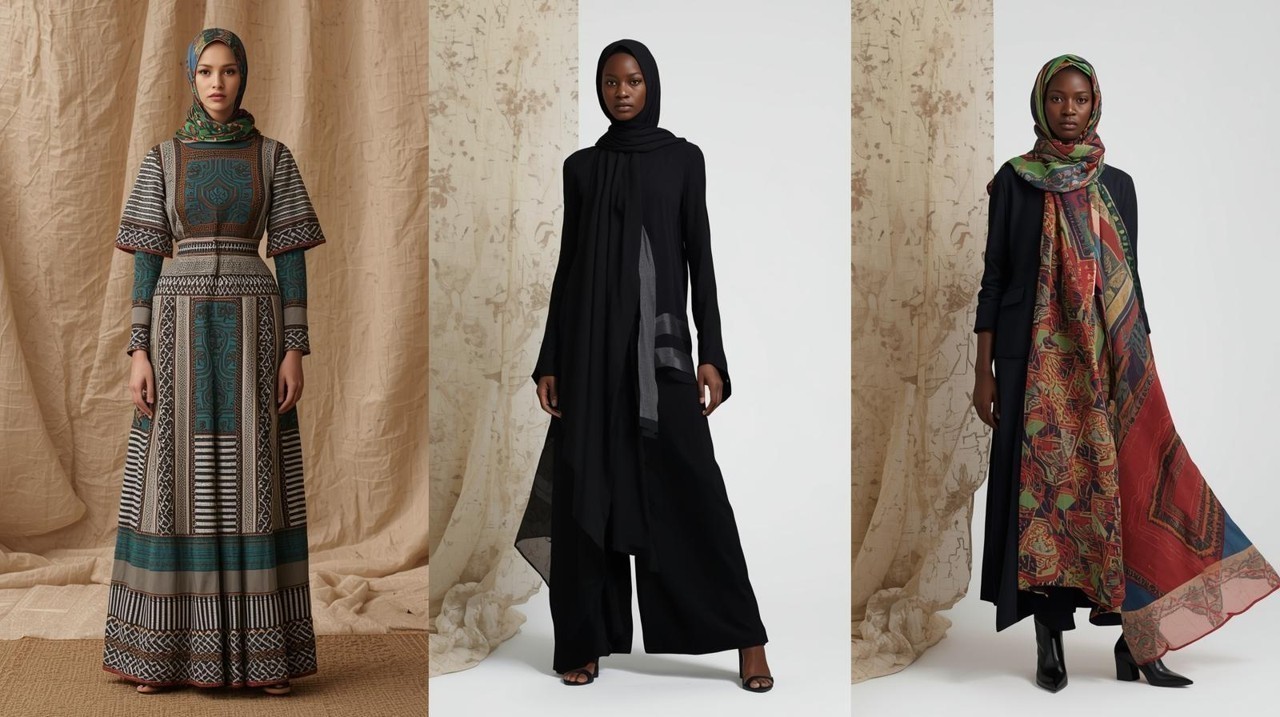
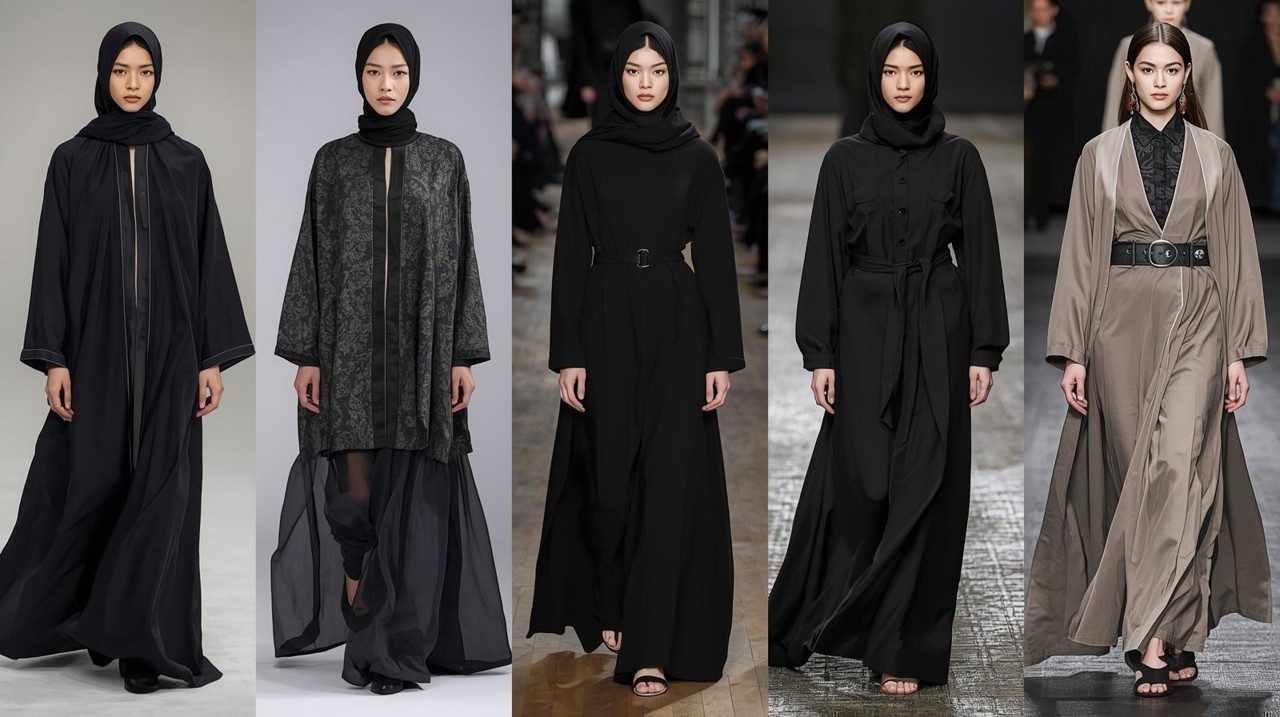
Modern abayas are no longer restricted to black. Designers now experiment with:
-
Colors: Beige, navy, pastels, and jewel tones
-
Fabrics: Satin, chiffon, silk, and lightweight blends
-
Cuts: Open abayas, cape-style, and tailored fits
These changes make the abaya suitable for both traditional wear and formal occasions.
2. Embellishments and Embroidery
Contemporary abayas often feature:
-
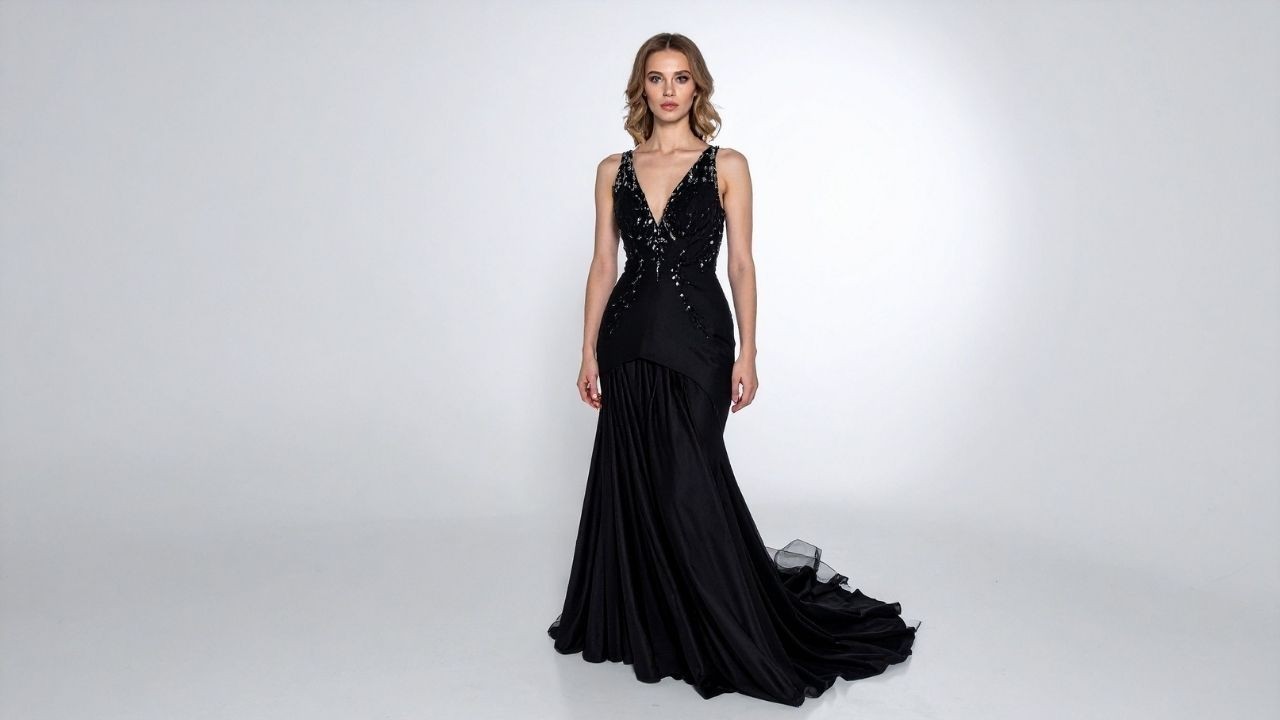
Beaded embroidery
-
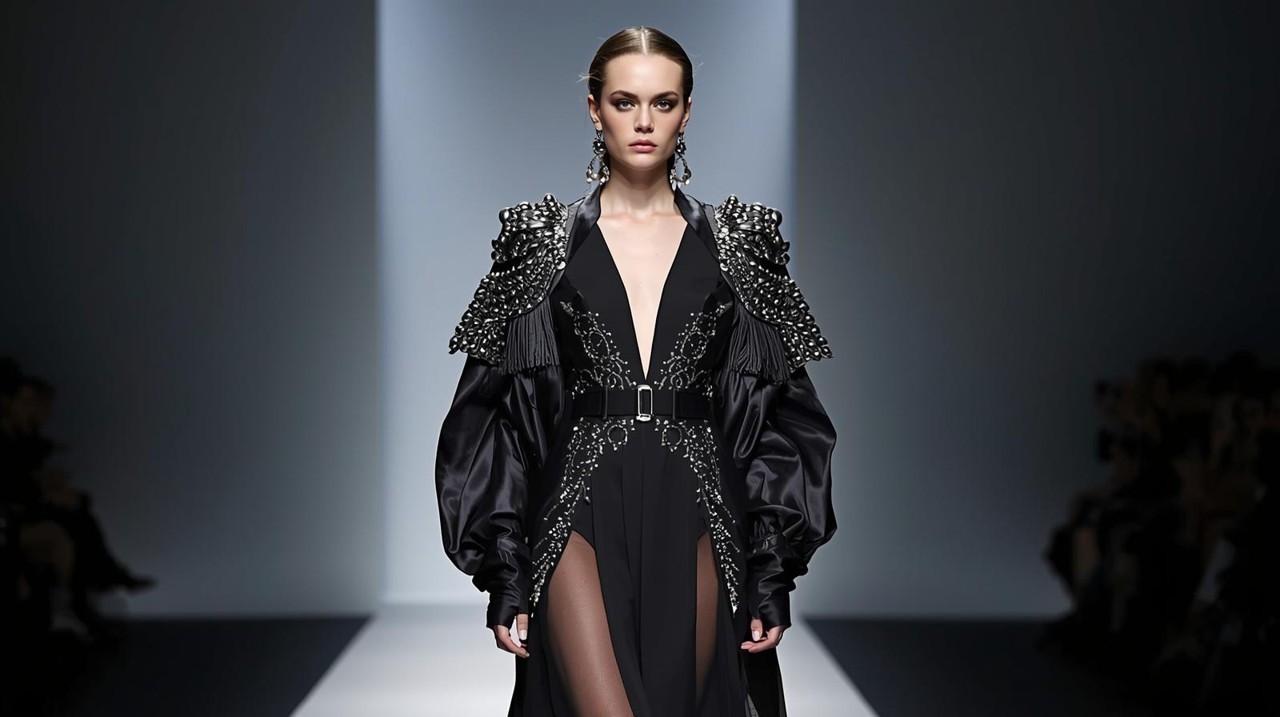
Lace and sequins
-
Geometric patterns or floral designs
These decorative elements allow women to express personal style while maintaining modesty.
3. Runway Influence
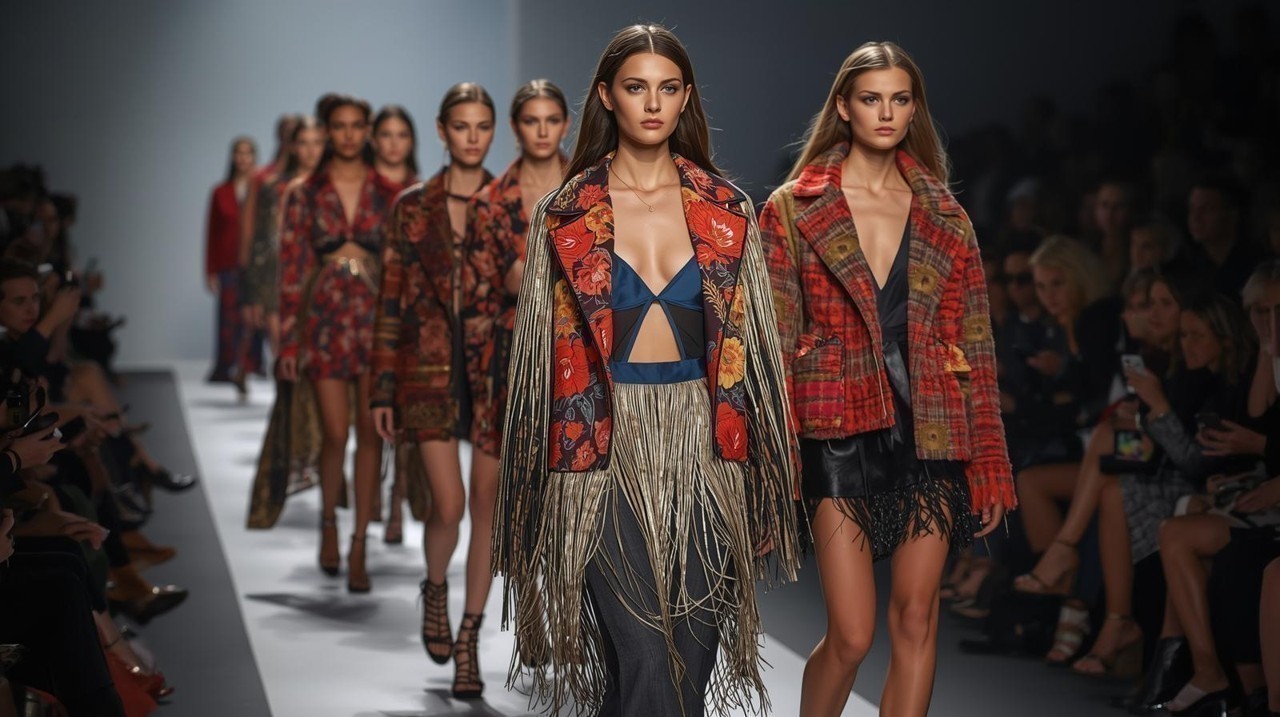
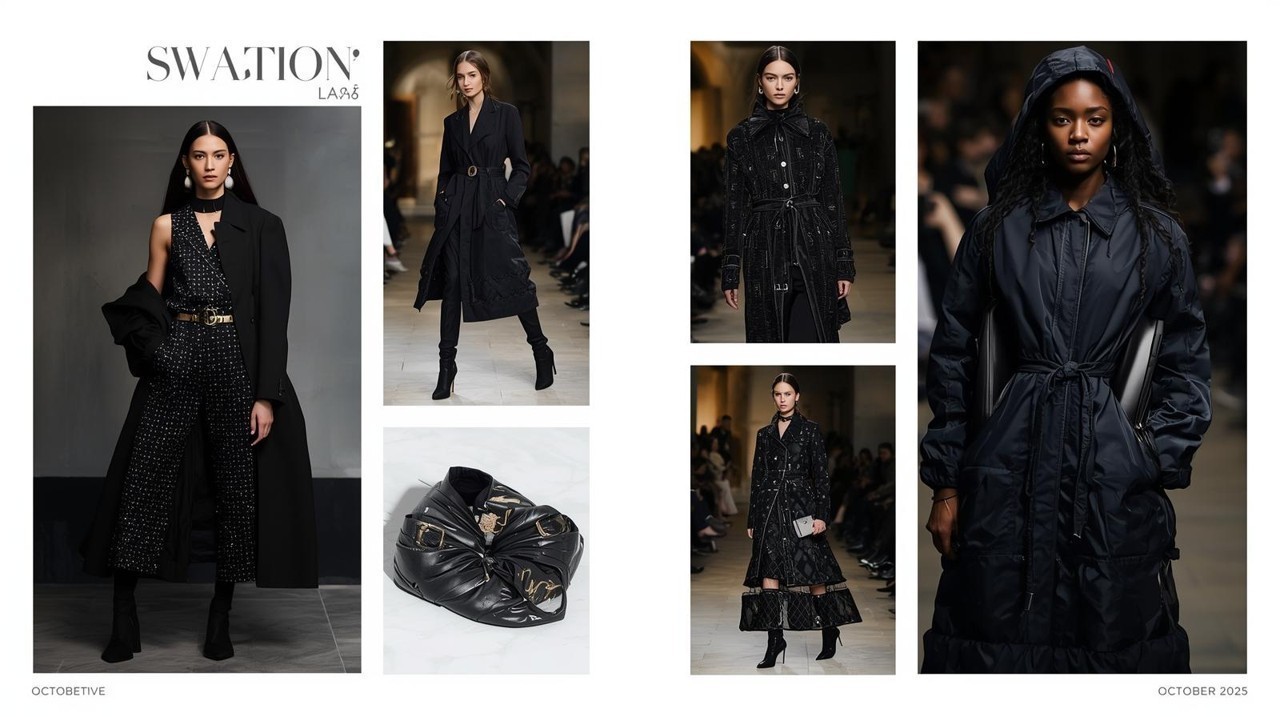
Global fashion brands and Middle Eastern designers are showcasing abayas in fashion weeks across Dubai, Riyadh, and Paris. Designers like Hindamme and Anniesa Hasibuan have elevated the abaya to luxury fashion, making it a statement piece.
Abaya in Everyday Fashion
-
Workwear: Lightweight, elegant abayas are popular for professional environments.
-
Casual Wear: Open-front abayas or kimono-style designs are favored for daily wear.
-
Occasions: Designer abayas with embellishments are worn at weddings, parties, and cultural events.
Global Acceptance and Fusion
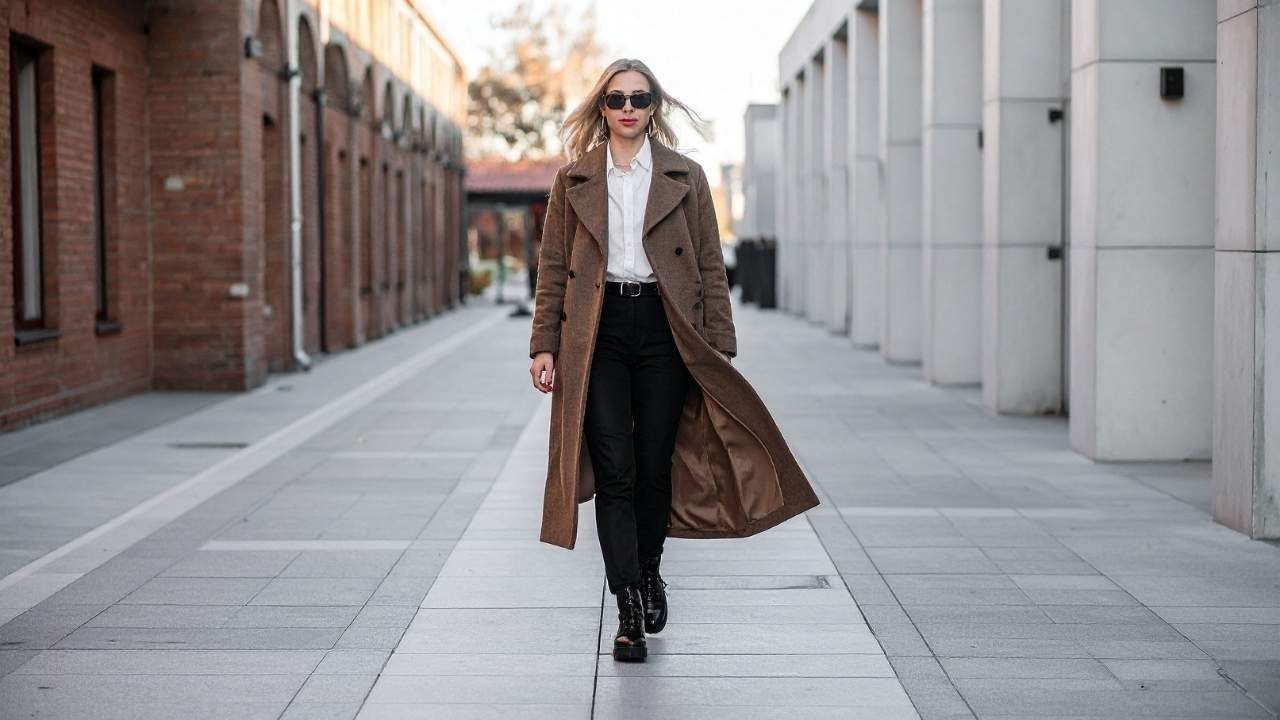
The modern abaya is now recognized as fashion-forward and versatile. Influencers and celebrities often pair abayas with:
-
Statement belts for a contemporary silhouette
-
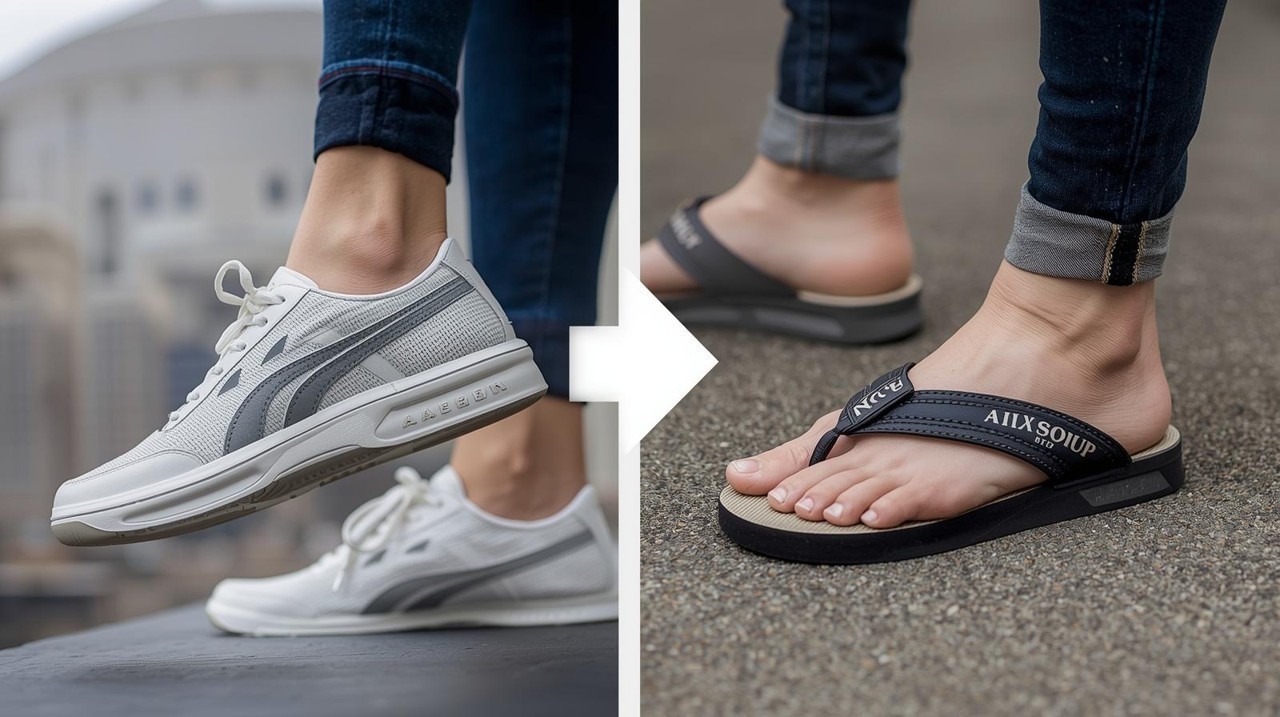
High heels or sneakers for casual or formal looks
-
Accessories like handbags and scarves to elevate the style
This fusion of traditional and modern elements allows the abaya to transcend cultural boundaries while respecting its roots.
Sustainability in Abaya Fashion
With growing awareness about sustainable fashion, designers are using eco-friendly fabrics and slow fashion principles. Reusable, high-quality materials ensure that abayas are durable, stylish, and environmentally conscious.
Tips for Styling a Modern Abaya
-
Experiment with layers and textures for a chic look
-
Use accessories to personalize plain designs
-
Opt for tailored cuts for professional settings
-
Pair bold colors with neutral accessories for balance
The abaya has evolved from a simple traditional garment to a modern fashion statement that blends culture, modesty, and style. Today, women in the Middle East and around the world wear abayas that reflect personal style, social trends, and global fashion influences. With ongoing innovation in design, fabric, and styling, the abaya continues to shine on both the runway and in everyday life, proving that tradition and modernity can coexist beautifully.