The Art of Slow Living: Finding Balance in a Fast-Paced World
Life today moves incredibly fast. From instant messages and social media notifications to constant work deadlines and nonstop news updates, it feels like we are always running. Many people wake up already tired, stressed, or anxious about the day ahead. Amid this rush, a lifestyle called “slow living” is gaining attention. Slow living is about slowing down, being present, and making life more meaningful, even in a world that never stops moving.
Unlike what some might think, slow living is not about being lazy or avoiding responsibilities. It is about making thoughtful choices that focus on health, happiness, and real experiences. By valuing quality over quantity, slow living allows people to enjoy life more fully, reduce stress, and appreciate small moments.
What is Slow Living?
Slow living means living life intentionally and mindfully. It is about taking time for daily routines, noticing what is happening around us, and focusing on activities that bring real joy.
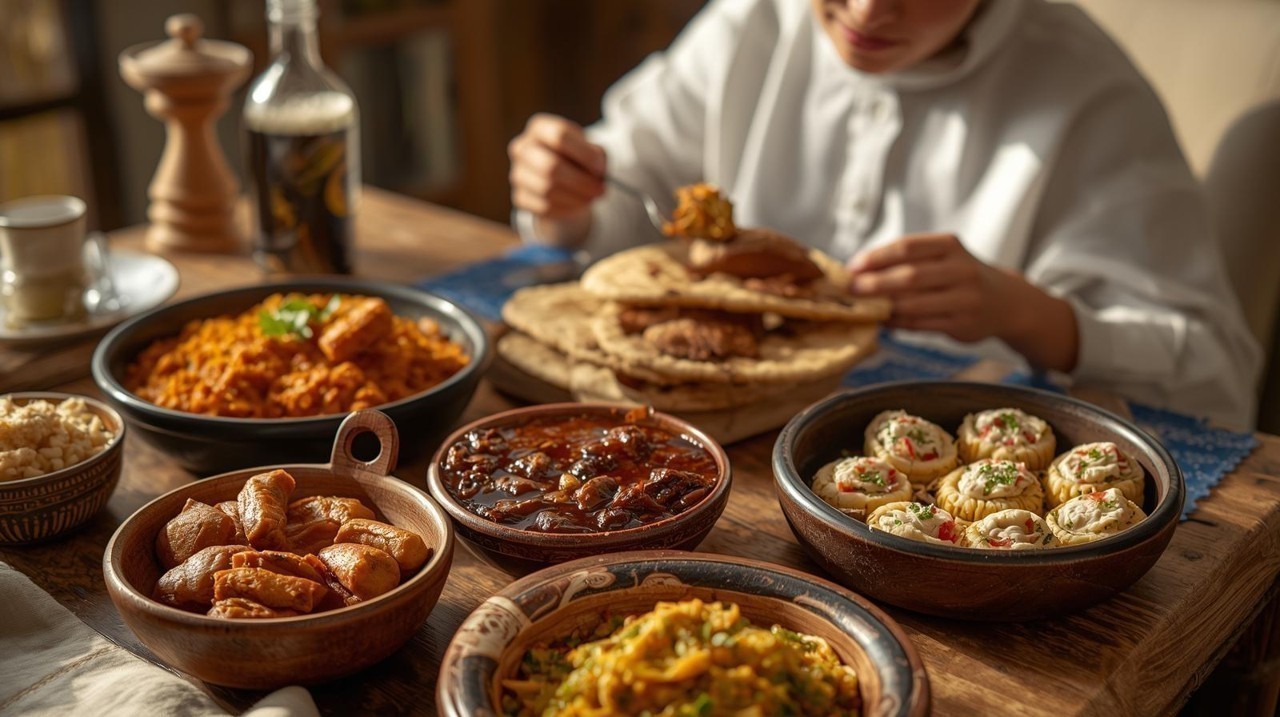
For example, instead of quickly eating breakfast while checking the phone, slow living encourages sitting down, enjoying the meal, and noticing every bite. Instead of rushing through work while multitasking, it suggests taking one task at a time and giving it full attention.
In essence, slow living reminds us that life is not a race. It is about balance, connection, and making every moment count.
Why Slow Living is Important
Modern life is full of speed, pressure, and constant activity. This can leave people feeling mentally tired, emotionally drained, and physically exhausted. Slow living offers a different way to live, which can make life calmer, healthier, and happier.
Here are some ways slow living benefits people:
-
Reduces Stress and Anxiety
Slowing down helps people feel calmer. Without constant pressure or over-scheduling, the mind can relax, making it easier to think clearly. -
Improves Health
Taking time to rest, eat properly, and exercise gently supports both physical and mental well-being. -
Strengthens Relationships
Being fully present in conversations and activities helps build stronger connections with family, friends, and coworkers. -
Increases Productivity
Focusing on one thing at a time often works better than trying to do too many things at once. -
Brings Happiness and Satisfaction
Slowing down allows us to enjoy small pleasures, like reading a book, cooking a meal, or taking a walk, which makes life feel richer and more fulfilling.
How to Practice Slow Living
You don’t need to make big changes to start slow living. Small daily habits can make a big difference:
1. Mindful Mornings
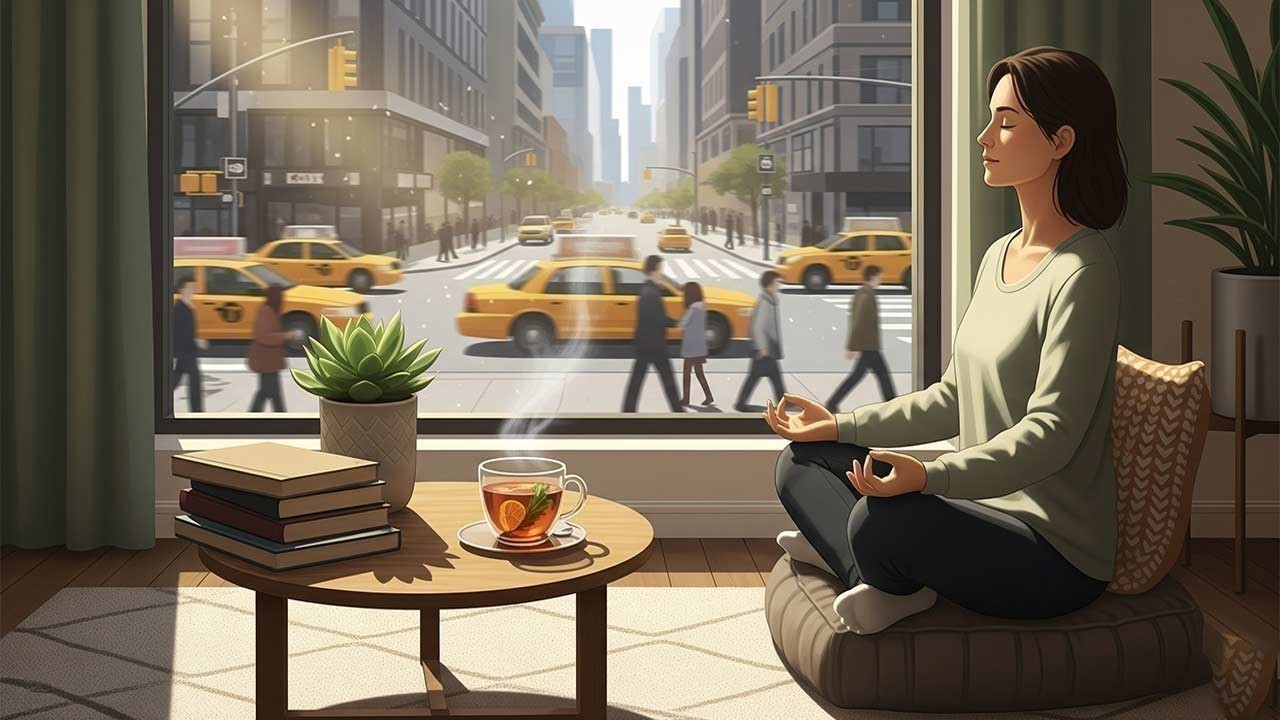
Start your day calmly. Avoid checking your phone immediately or rushing out of bed. Enjoy breakfast, drink tea or coffee slowly, or take a short walk. A peaceful morning can shape a positive day.
2. Reduce Screen Time
Limit social media and digital distractions. Technology is useful, but too much of it can increase stress and take away focus from the real world.
3. Simplify Your Life
Declutter your home and work area. Focus on important tasks and let go of unnecessary worries. Less chaos brings more clarity.
4. Spend Time in Nature
Go outside, walk in a park, garden, or just enjoy fresh air. Nature helps calm the mind, boosts creativity, and brings peace.
5. Eat Slowly and Intentionally
Take time to cook and enjoy meals. Pay attention to taste and texture. Eating mindfully improves digestion and helps you appreciate food more.
6. Follow Your Hobbies
Engage in activities you enjoy, like painting, reading, music, or writing. Hobbies bring happiness, creativity, and relaxation.
7. Practice Gratitude
Slow living encourages noticing small joys every day. You can write in a gratitude journal or take a moment to reflect on positive moments. This habit increases happiness and contentment.
Slow Living in Different Cultures
Slow living is not a new idea. Many cultures have long embraced lifestyles that value patience, calmness, and simplicity.
-
In Japan, the idea of (a reason for living) teaches people to find purpose and live meaningfully.
-
In Denmark,encourages comfort, coziness, and enjoying small pleasures.
-
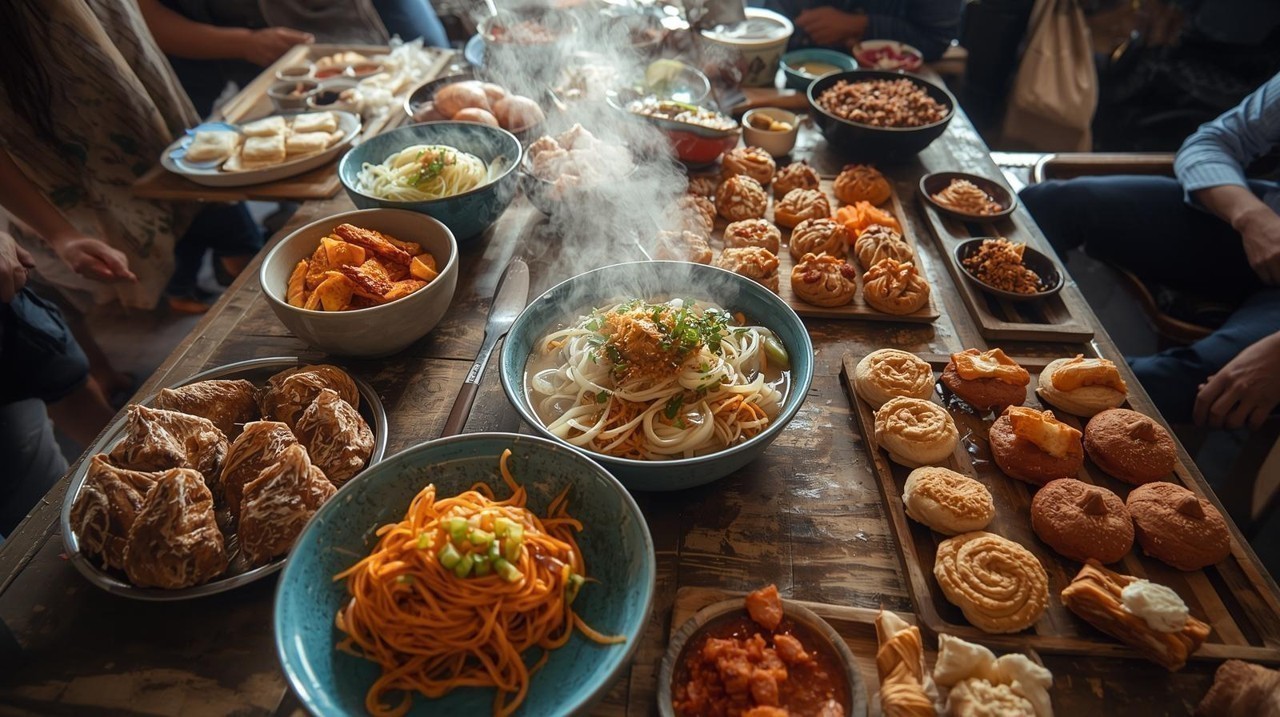
In Italy, promotes enjoying everyday life, food, culture, and time with family.
These examples show that slowing down can improve life quality, bring joy, and create more meaningful experiences.
Why You Should Embrace Slow Living Today
Slowing down might feel unusual in a busy world, but it is more necessary than ever. Slow living helps balance the mind and body, strengthen relationships, and increase happiness. It reminds us to focus on the present, enjoy simple moments, and prioritize what matters most.
By practicing slow living, you can regain control over your life, reduce stress, and make space for the people, activities, and experiences that truly enrich your life.
Slow living does not require dramatic changes. Simple steps like eating mindfully, limiting screen time, spending quality moments with loved ones, and appreciating small joys can make a big difference. Life is not a race—it is a journey meant to be savored and enjoyed one moment at a time.
Choosing slow living means choosing balance, happiness, and well-being in a world that moves too fast. By slowing down, we can finally live life fully, appreciate its beauty, and feel deeply satisfied with each day.
Disclaimer
This article is written for educational and informational purposes only. The views expressed reflect general insights into lifestyle practices and do not represent endorsements of any specific methods or organizations. DXB News Network encourages readers to explore slow living in ways that suit their own needs and preferences.