Taming the Sugar Monster: A Parent’s Guide to Reducing Sugar Intake Without a Fight
Many parents today face one common challenge at home — helping their children cut down on sugar. Chocolates, cookies, packaged juices, sweet drinks, and flavoured snacks have become a regular part of most children’s diets. Even foods that look harmless, such as flavoured yogurt, fruit drinks, cereals, and crackers, often contain surprisingly high amounts of added sugar.
Although sweets may feel like a quick source of joy, too much sugar can affect a child more deeply than many parents realise. Doctors say excess sugar can lead to sudden energy spikes, moodiness, poor sleep, weak immunity, headaches, and lack of focus. Over time, high sugar intake can also raise the risk of obesity, early tooth decay, and lifestyle-related diseases.
The real problem arises when parents try to reduce sugar and children immediately resist. The good news is that lowering sugar does not have to turn into a daily battle. With gentle steps and smart food choices, parents can help their children enjoy healthier meals without arguments or stress.
This guide explains simple ways to reduce sugar peacefully — and for good.
1. Start With Hidden Sugars — They Add Up Quickly
Most parents think of sugar as candy or chocolate. But in reality, a large portion of sugar comes from foods that do not taste very sweet.
Hidden sugars are commonly found in:
-
Breakfast cereals
-
Ketchup, dips, and sauces
-
Packaged juices
-
Flavoured milk
-
Biscuits, crackers, and instant snacks
-
Ready-made soups and noodles
-
Energy or sports drinks
A simple solution:
Check the ingredient label. Choose items with no added sugar or those containing 5 grams or less per serving.
When you quietly replace sugary products with healthier versions, children usually don’t even notice the change.
2. Make Water the Drink of Choice
A lot of sugar enters a child’s diet through drinks rather than food. Fruit juices, milkshakes, sodas, and sweetened milk contribute more sugar than most parents realise.
To reduce sugar naturally:
-
Offer water first whenever your child is thirsty
-
Use colourful bottles or fun cups to make water appealing
-
Keep juice for special occasions, not daily consumption
-
Serve plain milk instead of flavoured options
-
Add fresh fruit slices to water for flavour if needed
Once children get used to drinking more water, their sugar intake goes down without any effort.
3. Sweeten Foods Naturally Instead of Using Sugar
If your child enjoys sweet flavours, you don’t have to remove sweetness completely. You can swap refined sugar with natural alternatives that provide taste and nutrition.
Better natural sweeteners include:
-
Ripe bananas
-
Apple puree
-
Dates or date syrup
-
Honey (only for children over one year old)
-
Raisins
-
Fresh fruit chunks
These options satisfy sweet cravings and add useful nutrients like fibre, vitamins, and minerals.
4. Make Healthier Versions of Their Favourite Snacks
One of the easiest ways to reduce sugar is to make healthier snacks at home. Since children already like these foods, they accept the healthier version quickly.
Some simple swaps:
-
Homemade popcorn with a little salt instead of sweet/flavoured popcorn
-
Fruit smoothies with no added sugar instead of bottled juices
-
Whole-wheat pancakes topped with fresh fruits instead of sugary syrup
-
Fruit popsicles instead of ice cream
-
A trail mix of nuts, seeds, and raisins instead of candy
These snacks taste good and help cut down sugar without making children feel restricted.
5. Stop Using Sugar as a Reward
Many parents, without meaning to, teach children that sweets equal happiness.
For example:
“Finish your homework and I’ll give you chocolate.”
“If you behave well, you’ll get ice cream.”
This builds an emotional link between sugar and achievement.
Healthier reward ideas:
-
Extra outdoor playtime
-
A sticker chart
-
A bedtime story of their choice
-
A small toy or colouring sheet
-
A weekend activity they enjoy
This helps children understand that achievements do not always need sweet treats.
6. Change One Habit at a Time
Children adjust better to slow, steady changes rather than sudden rules.
A weekly plan could look like this:
-
Week 1: Reduce candy portions
-
Week 2: Replace sugary drinks with water
-
Week 3: Swap sugary cereals for whole-grain options
-
Week 4: Add fresh fruit snacks to lunchboxes
Small steps are easier for children and help create long-term habits.
7. Set the Example — Children Learn by Watching
Children repeat what they see. If parents often snack on sweets, drink soda, or eat packaged food, children will naturally follow.
Try these habits instead:
-
Keep fruits and nuts on the table
-
Drink more water around your child
-
Choose healthier snacks for yourself
-
Avoid eating sweets in front of them
When the whole family follows similar habits, children accept changes easily.
8. Serve Filling Meals to Reduce Cravings
A hungry child is more likely to ask for sugary snacks. Balanced meals keep their energy stable and reduce sweet cravings.
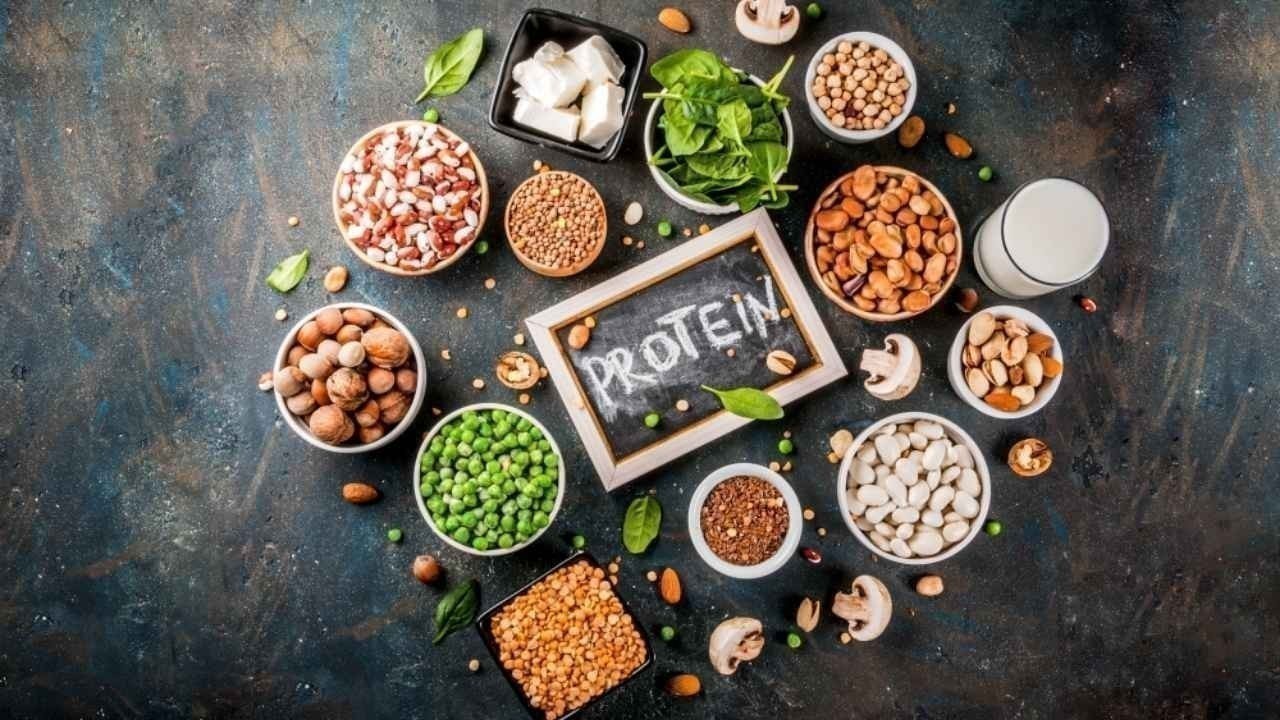
Foods that keep children full:
-
Eggs
-
Lean meat, fish, tofu
-
Lentils and beans
-
Whole grains like oats and brown rice
-
Vegetables
-
Yogurt
-
Nuts and seeds
When children feel satisfied, they automatically crave less sugar.
9. Do Not Completely Ban Sugar
A strict “no sugar” rule usually makes children want it even more. The aim is not to remove sugar entirely but to create healthy boundaries.
A balanced approach:
-
Allow sweets in small portions
-
Enjoy treats on weekends, occasions, or special days
-
Teach children to eat slowly and enjoy the flavour
-
Keep treats outside the daily routine
This helps children develop a positive and healthy attitude towards eating.
Reducing sugar does not have to turn into daily disagreements. By making small, thoughtful changes — lowering hidden sugars, choosing natural sweetness, preparing healthier snacks, and becoming a positive role model — parents can guide their children toward better eating habits. When sugar becomes an occasional treat instead of a daily routine, children feel more energetic, sleep better, and develop stronger long-term health. With patience, consistency, and gentle guidance, every parent can successfully tame the “sugar monster” and help their child build a healthier future.
Disclaimer
DXB News Network provides this article for general information and educational purposes only.
It is not a substitute for professional medical or nutritional advice. Dietary needs may vary from child to child. Parents should consult a qualified healthcare provider or pediatrician before making major changes to a child’s diet, especially if the child has allergies, medical conditions, or special nutritional requirements.