During a recent address at the General Headquarters in Rawalpindi, Pakistan Army Chief Field Marshal Asim Munir reiterated a stern message to India, reflecting on the intense situation that arose after Operation Sindoor in May 2025. He emphasized that any military aggression towards Pakistan would lead to “widespread, dangerous and painful” consequences. This statement comes almost a year after the significant military conflict that heightened tensions in the region.
In his remarks, Munir accused India of trying to undermine Pakistan’s sovereignty during the 2025 conflict, claiming that Pakistan responded with unity and robust military action. He characterized the clash not merely as a traditional confrontation between two nations, but rather as a conflict of ideologies. Additionally, Munir reiterated past allegations against India regarding false flag operations used in their military and political maneuvering.
He asserted that Pakistan’s military strategy had proven effective in the earlier conflict while cautioning that any future engagements would extend beyond limited scope. Asserting that the armed forces are thoroughly prepared to counter any threats, his speech also delved into religious and ideological rhetoric, frequently invoked during escalated tensions.
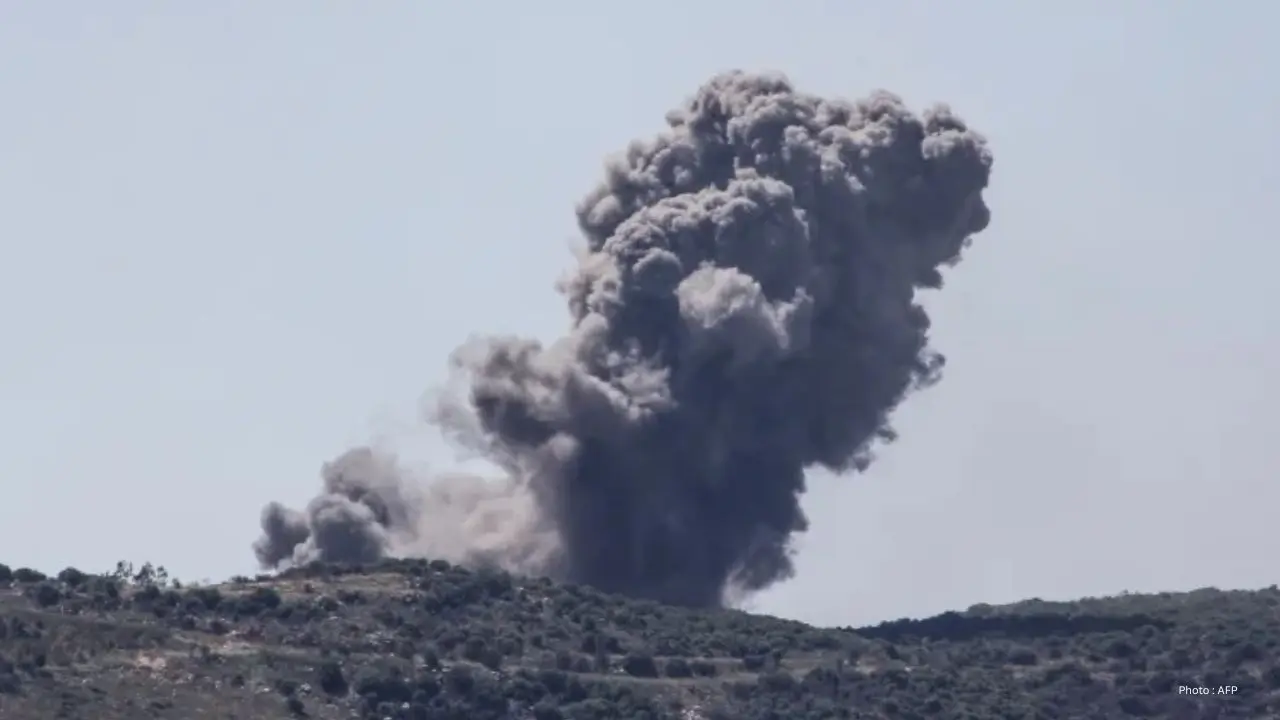
This announcement has reignited conversations about the strained ties between India and Pakistan following Operation Sindoor. Launched on May 7, 2025, this operation was a response to a deadly terror incident in Pahalgam, with Indian forces conducting targeted strikes on terrorist infrastructure in Pakistan and Pakistan-Occupied Kashmir. Official reports from India indicate the destruction of several terror camps, significantly impacting terrorist activities in the region.
In the days following the initial escalation, Pakistan attempted retaliatory strikes, though Indian defense systems managed to intercept most of the incoming attacks. The atmosphere remained tense until both countries' military officials utilized established communication channels, leading to an agreement to cease further military actions by May 10, 2025, which helped avert a larger conflict.
Munir’s recent comments are yet another indicator of the persistent animosity between the nuclear-armed neighbors. Analysts warn that such statements could exacerbate regional tensions, especially as South Asia grapples with multiple geopolitical concerns. There is keen observation on the diplomatic front, as both nations navigate through a year filled with military and political exchanges.
Munir has a history of making similar warnings in his prior speeches, where he underscored the possibility of retaliation against India, even hinting at threats to water resource management infrastructure. The delicate nature of India-Pakistan relations and their checkered military history continue to draw international scrutiny.