Mental Health in the Digital Era: The Role of Social Media and Wearables
Introduction
In today’s fast-paced digital world, mental health has become a major concern. Technology has deeply influenced how people connect, work, and live — especially through social media platforms and wearable devices. While these innovations have brought immense convenience and awareness, they’ve also created new challenges for emotional well-being. Understanding the balance between benefits and drawbacks is key to maintaining a healthy digital lifestyle.
The Double-Edged Impact of Social Media
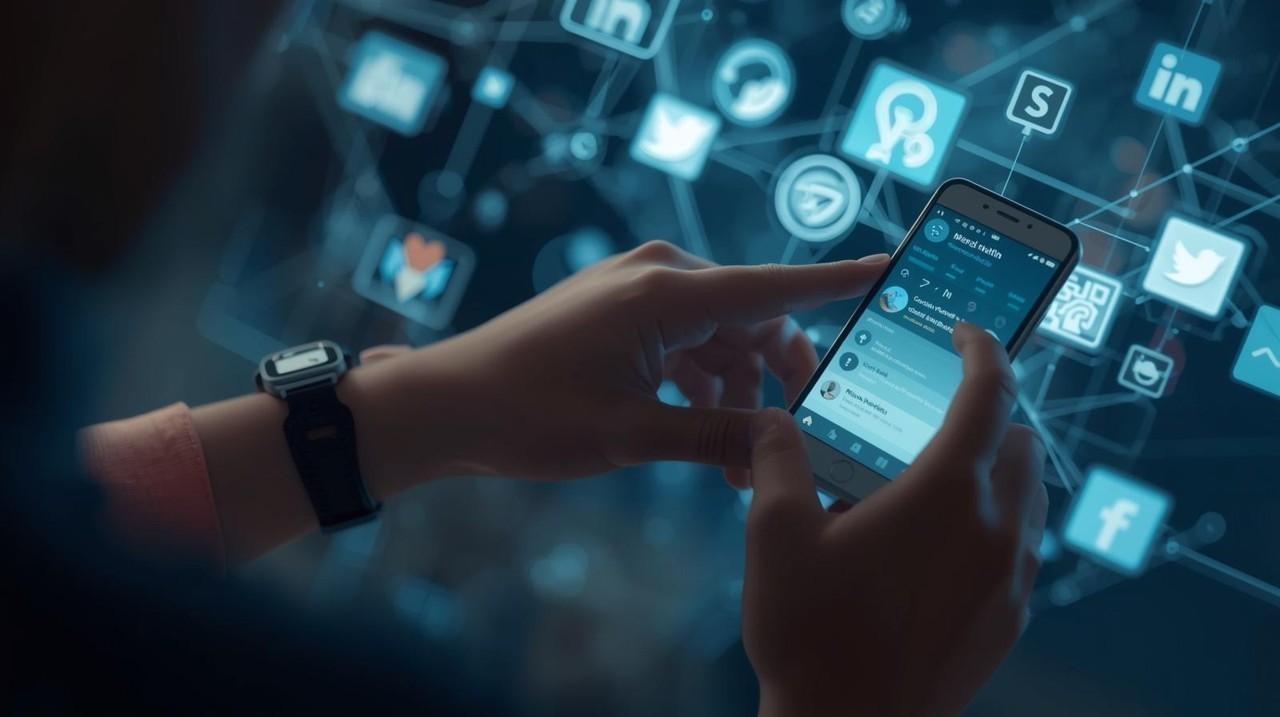
Social media plays a powerful role in shaping mental health. On one hand, it provides a sense of community, connection, and emotional support. On the other, it can foster comparison, anxiety, and loneliness.
Positive Effects:
-
Emotional Support Networks: Online communities and support groups help people share experiences about anxiety, depression, or stress without fear of judgment.
-
Awareness and Education: Mental health campaigns on platforms like Instagram and TikTok promote awareness, encouraging people to seek help.
-
Access to Therapists and Resources: Digital platforms now connect users directly with mental health professionals, breaking the stigma of in-person visits.
Negative Effects:
-
Comparison and Low Self-Esteem: Constant exposure to filtered, idealized lifestyles can make individuals feel inadequate.
-
Addiction and Screen Fatigue: Endless scrolling, likes, and validation loops can lead to stress and decreased attention span.
-
Cyberbullying and Online Pressure: Negative interactions and unrealistic social standards contribute to anxiety and depression, especially among teens.
The Rise of Wearables in Mental Wellness
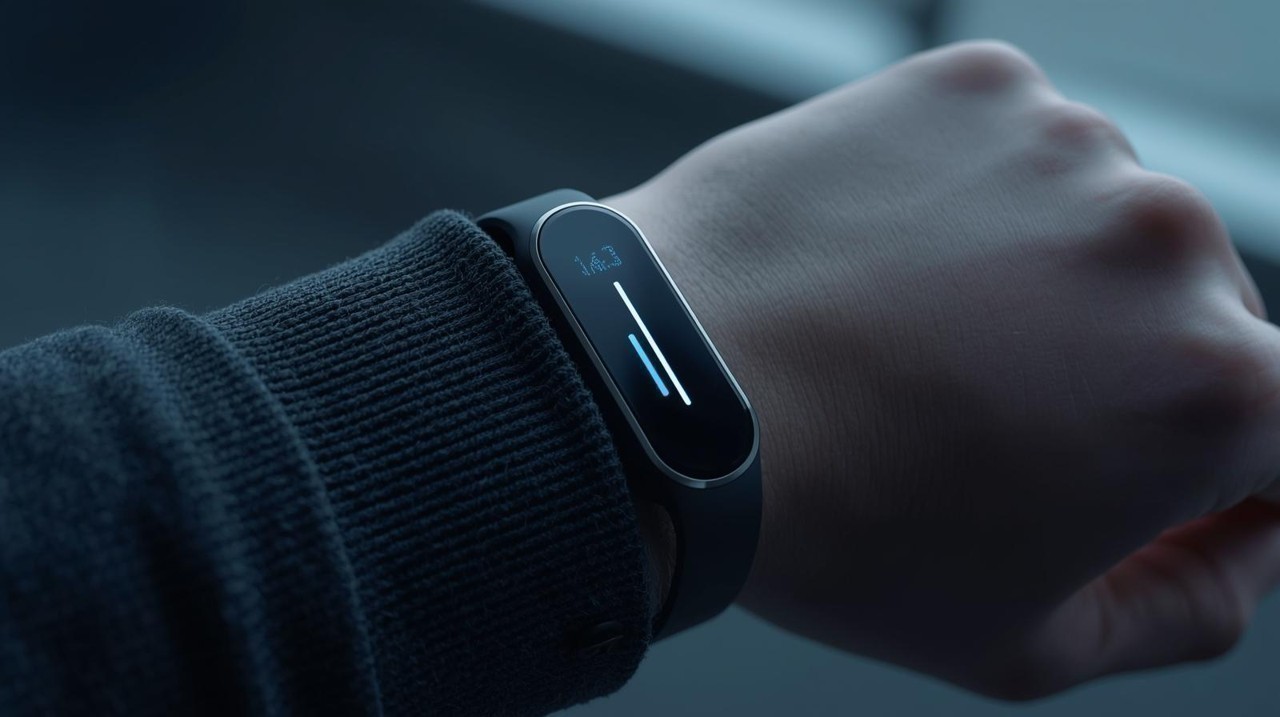
Wearable technology — such as smartwatches, fitness trackers, and health bands — has revolutionized how we track both physical and mental health.
How Wearables Support Mental Health:
-
Sleep Monitoring: Quality sleep is crucial for emotional balance. Devices like Fitbit or Apple Watch help track sleep cycles, identify disturbances, and suggest improvements.
-
Stress Tracking: Many wearables now monitor heart rate variability (HRV) to detect stress levels and offer guided breathing or mindfulness reminders.
-
Activity and Mood Connection: Regular physical activity improves mood, and wearables motivate users through goal tracking and movement reminders.
-
Mindfulness Features: Apps integrated with wearables promote meditation and deep-breathing exercises to reduce anxiety.
Potential Drawbacks:
-
Data Overload: Constant tracking can make some users anxious about their performance or health data.
-
Privacy Concerns: Sensitive health information may be at risk if not stored securely.
-
Overdependence: Relying too heavily on digital reminders can reduce natural self-awareness and emotional regulation.
Finding the Right Balance
Technology is not the enemy — it’s how we use it that defines its impact on our mental health. To ensure a positive relationship with digital tools:
-
Set Screen Time Limits: Use built-in tools to track and reduce unnecessary social media use.
-
Curate Your Feed: Follow accounts that uplift and educate instead of triggering comparison.
-
Use Wearables Wisely: Focus on insights that improve your lifestyle, not just numbers.
-
Practice Digital Detox: Take regular breaks from screens to reconnect with the real world.
-
Seek Professional Support: If you feel overwhelmed, consult a counselor or therapist who understands digital-age stress.
As the digital era continues to evolve, so does the connection between technology and mental health. Social media and wearables have immense potential to enhance emotional well-being — if used mindfully. By embracing balance, awareness, and healthy digital habits, individuals can harness technology not as a source of stress but as a powerful ally for mental wellness.