Understanding Physical Activity Beyond the Gym
Staying active does not require a gym membership, heavy equipment, or structured workout plans. Physical activity simply means moving your body regularly in ways that support strength, flexibility, endurance, and overall health. Many people avoid fitness routines because gyms feel time-consuming, expensive, or intimidating. The good news is that daily movement outside the gym can be just as effective when done consistently and mindfully.
Introduction
Knowing how to stay active without going to the gym is especially important for busy professionals, homemakers, students, and anyone who prefers flexible routines. Everyday activities such as walking, household work, stretching, and short home workouts can significantly improve fitness levels. This article explains practical, realistic, and sustainable ways to stay physically active without relying on gym visits, helping you build a healthier lifestyle at your own pace.
Why Staying Active Matters Even Without Formal Exercise
Physical inactivity can affect both physical and mental well-being. Regular movement helps maintain a healthy weight, improves posture, supports heart health, and boosts mood.
• Improves energy levels
• Reduces stress and anxiety
• Supports joint and muscle health
• Enhances focus and productivity
• Improves sleep quality
Staying active does not mean intense workouts; it means consistent movement throughout the day.
Walking as a Powerful Fitness Tool
Walking is one of the most underrated forms of exercise.
• Brisk walking improves cardiovascular health
• Easy to fit into daily routines
• No equipment required
• Suitable for all age groups
You can walk while commuting, after meals, during phone calls, or in the evening. A daily goal of 7,000 to 10,000 steps keeps the body active without strain.
Use Household Chores as Physical Activity
Daily chores can double as exercise when done mindfully.
• Sweeping and mopping engage core and arms
• Washing dishes while standing improves posture
• Gardening improves strength and flexibility
• Carrying groceries builds functional strength
Treating chores as movement rather than tasks increases daily activity naturally.
Try Home-Based Bodyweight Exercises
Bodyweight exercises are highly effective and require no equipment.
• Squats improve leg strength
• Push-ups build upper body strength
• Lunges enhance balance and mobility
• Planks strengthen the core
Even 15–20 minutes a day can maintain strength and endurance.
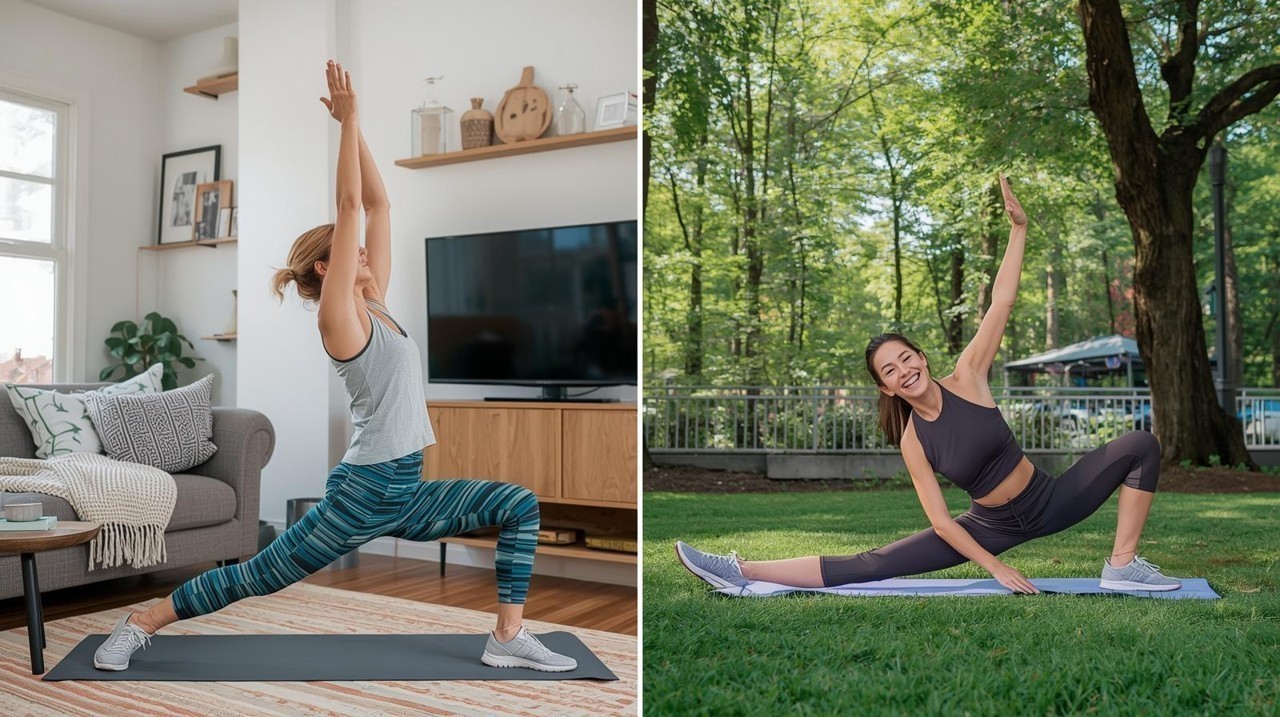
Practice Stretching and Mobility Daily
Flexibility and mobility are often ignored but essential.
• Reduces stiffness and muscle tightness
• Improves posture
• Prevents injury
• Supports joint health
Simple stretching in the morning or before bed keeps the body agile and relaxed.
Use Short Activity Breaks During the Day
Long sitting hours reduce overall activity.
• Stand up every 30–45 minutes
• Stretch between work tasks
• Walk around while thinking or planning
• Use stairs instead of lifts
Short movement breaks prevent fatigue and improve circulation.
Turn Leisure Time Into Active Time
Many leisure activities involve sitting.
• Replace screen time with walking or cycling
• Play outdoor games with family
• Dance to music at home
• Explore nearby parks or walking trails
Active leisure keeps fitness enjoyable and stress-free.
Use Daily Commute as Exercise
Commutes can be turned into movement opportunities.
• Walk or cycle for short distances
• Park farther from entrances
• Get off public transport one stop earlier
These small changes add up over time.
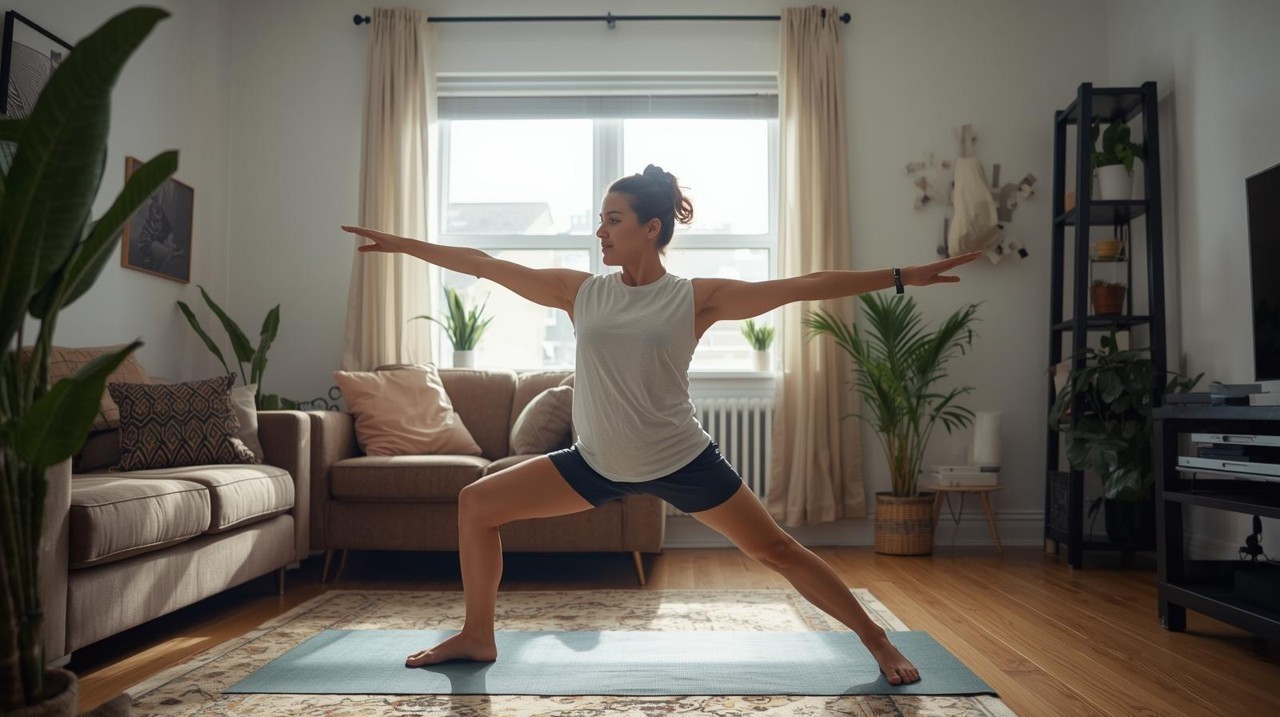
Try Yoga and Mindful Movement
Yoga is an excellent way to stay active without intense workouts.
• Improves flexibility and balance
• Reduces stress
• Enhances breathing and focus
• Suitable for all fitness levels
Regular yoga practice supports both physical and mental health.
Include Simple Cardio at Home
Cardio does not require machines.
• Marching in place
• Jumping jacks
• Stair climbing
• Skipping rope
Short cardio sessions increase heart rate and stamina.
Make Weekends More Active
Weekends offer more flexibility for movement.
• Go for longer walks
• Plan outdoor activities
• Explore nearby places
• Participate in community events
Active weekends help compensate for sedentary weekdays.
Stay Consistent Instead of Intense
Consistency matters more than intensity.
• Small daily efforts are better than occasional heavy workouts
• Choose activities you enjoy
• Avoid overexertion
Sustainable routines lead to long-term results.
Track Daily Movement Instead of Workouts
Tracking movement increases motivation.
• Monitor steps instead of calories
• Note active hours rather than gym sessions
• Focus on progress, not perfection
Awareness builds discipline naturally.
Combine Fitness With Social Time
Social activities can be active too.
• Walk with friends
• Join group walks
• Play sports casually
• Participate in fitness challenges
This makes staying active more enjoyable.
Listen to Your Body
Avoid pushing too hard.
• Start slow if inactive
• Rest when needed
• Focus on proper form
• Increase intensity gradually
Balanced movement prevents injury.
Benefits of Staying Active Without the Gym
Living an active lifestyle without the gym offers several advantages.
• Saves money and time
• Flexible schedule
• Less pressure and stress
• Encourages natural movement
Fitness becomes a part of life rather than a task.
Why Non-Gym Fitness Is Sustainable
Gym routines often fail due to time constraints or loss of motivation. In contrast, daily movement habits fit naturally into life and are easier to maintain long-term.
Conclusion
Learning how to stay active without going to the gym proves that fitness does not depend on machines or memberships. Through walking, home exercises, household activities, stretching, and mindful movement, anyone can maintain a healthy and active lifestyle. Small, consistent actions lead to lasting physical and mental well-being, making fitness accessible, practical, and sustainable for everyday life.
Disclaimer
This article is for informational purposes only. Physical activity levels should be adapted according to individual health conditions. Readers with medical concerns or physical limitations are advised to consult a qualified healthcare professional before starting new activity routines.