As climate change escalates, plant species across the globe are facing unprecedented challenges. The rise in temperatures, coupled with shifting weather patterns and diminishing habitats, significantly impacts ecosystems such as forests, grasslands, wetlands, and mountains.
Experts in environmental science warn that if global temperatures continue to climb, countless plant species could face survival struggles. Research indicates that plants are being forced to adapt at a rapid pace, often losing the natural habitats that are crucial for their growth and survival.
Plants are essential for sustaining life on our planet, providing air, food, medicine, and supportive ecosystems for wildlife. Forests and wetlands play a key role in regulating temperatures, sequestering carbon dioxide, and safeguarding vital soil and water resources.
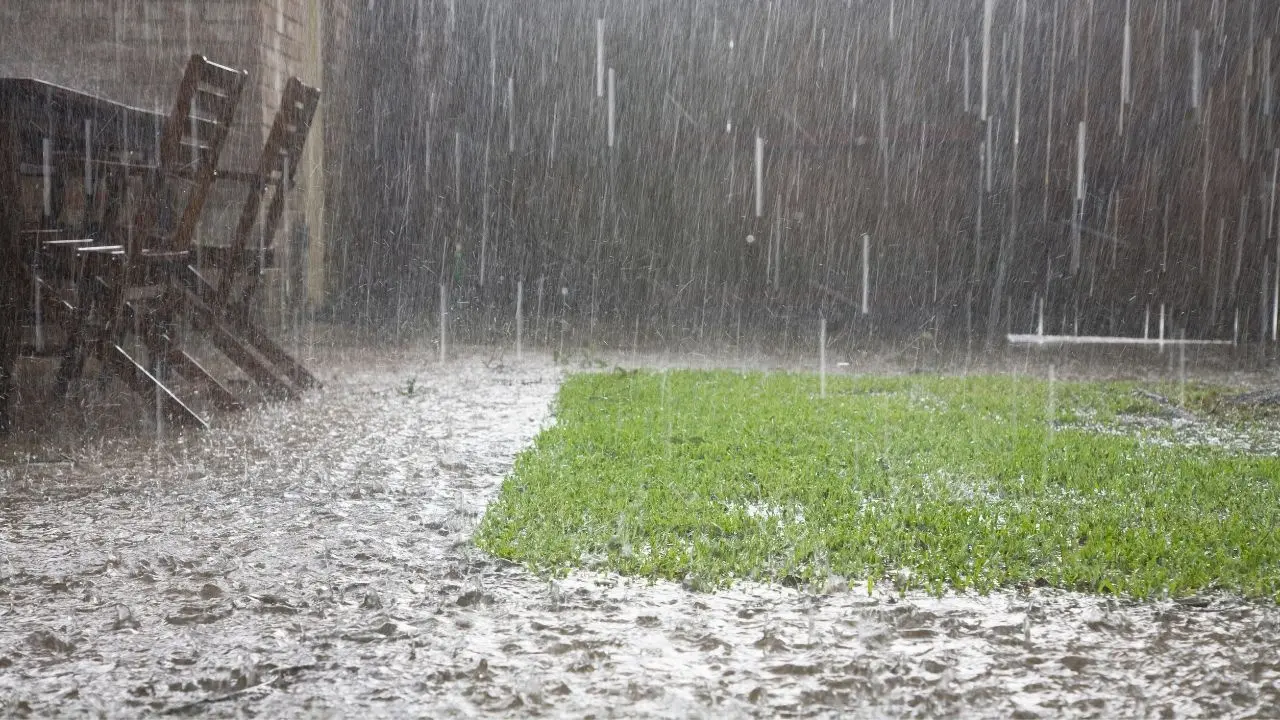
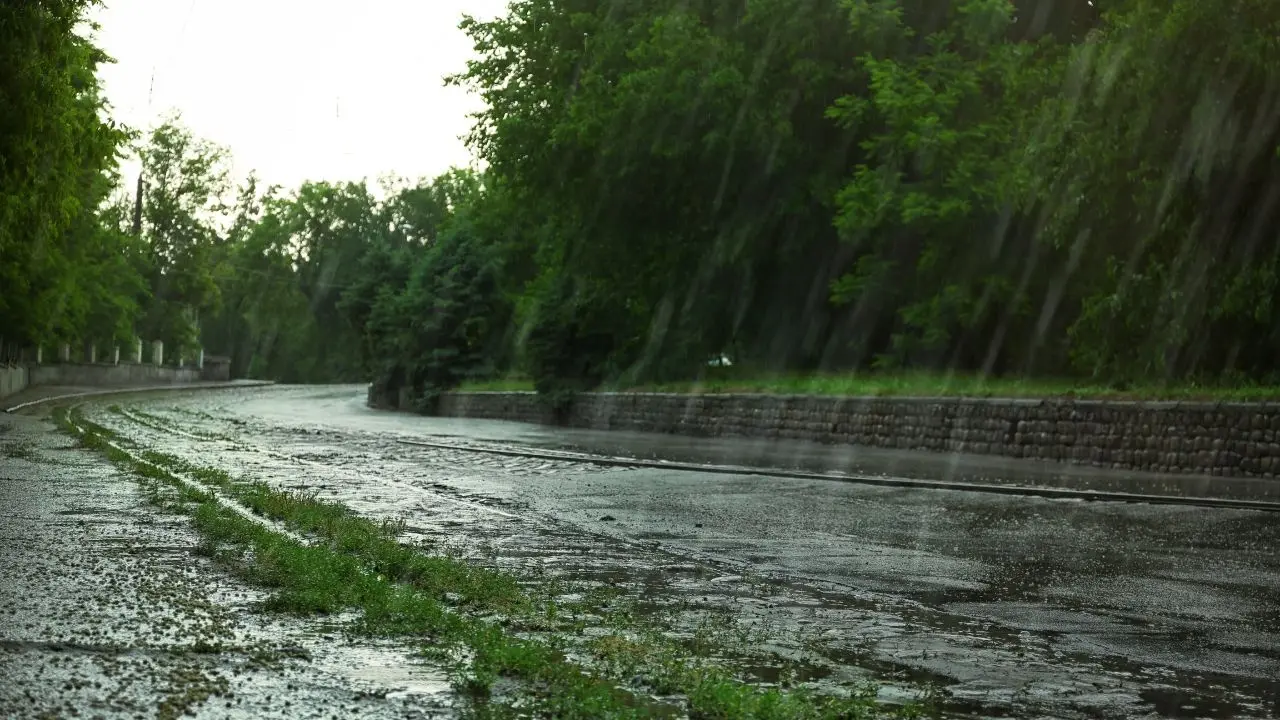
According to environmental researchers, habitat destruction is becoming a critical threat to plant life. Increased temperatures, droughts, floods, wildfires, and altered rainfall patterns are wreaking havoc on ecosystems that have developed over millennia.
While some plant species may slowly adapt to these environmental pressures, others could be unable to survive the rapid shifts brought on by climate change. Rare plants situated in mountainous or isolated regions are particularly at risk, as they have limited options for migration or adaptation.
Climate change's adverse effects on plants manifest in various ways. Elevated temperatures can change growing seasons, hinder water availability, amplify disease risks, and disrupt essential pollination interactions involving insects and birds.
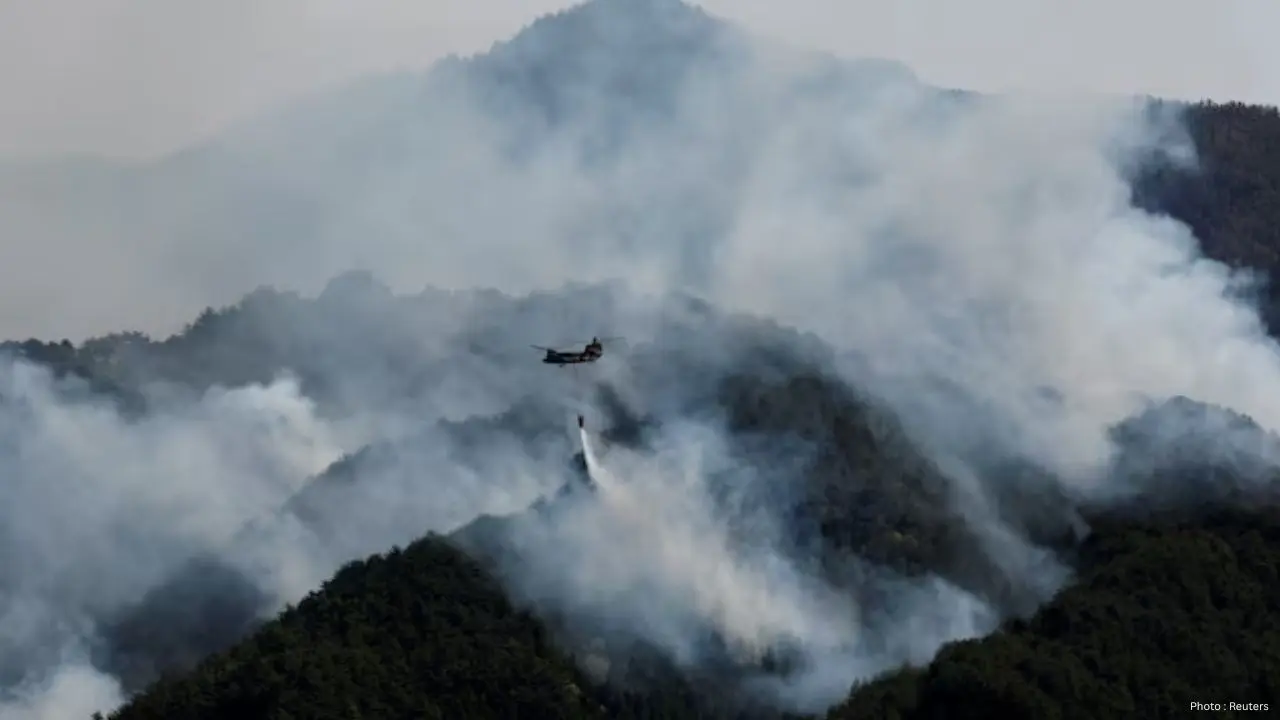
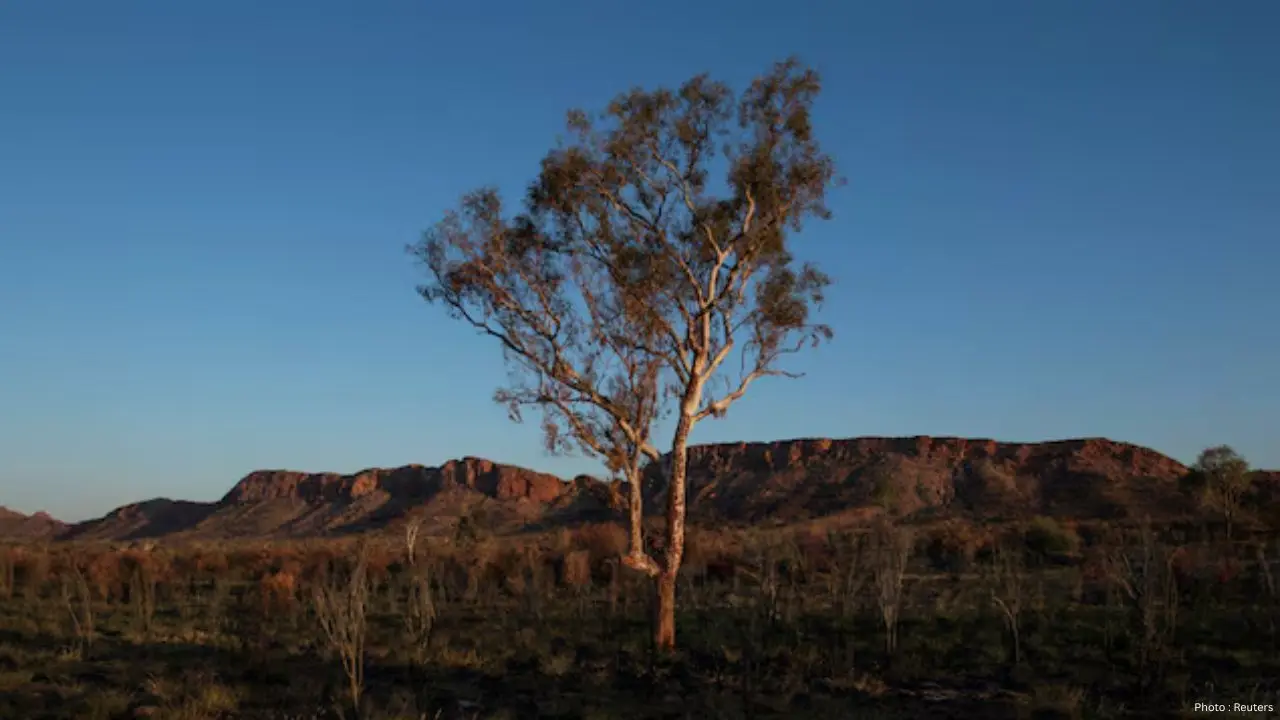
Many areas are already witnessing tangible environmental changes. Increased frequency of forest fires is evident in numerous regions, while drought conditions are damaging vital vegetation and croplands. Coastal ecosystems where certain plants thrive are also endangered by rising sea levels.
The ramifications of plant extinction extend beyond flora, posing risks to animals and human populations that rely on specific plants for nutrition and habitat. Agriculture stands to suffer as well, as farmers need stable environmental conditions to produce crops. Extreme weather and soil degradation could diminish food production, straining rural economies.
Experts caution that loss of biodiversity may emerge as one of the foremost environmental challenges facing the globe in the coming years. Biodiversity—encompassing diverse plant and animal life—plays a critical role in sustaining healthy ecosystems.
Diminished plant diversity weakens ecosystems, making them less resilient to environmental pressures. Healthy natural habitats are essential for carbon absorption and mitigating climate impacts—damaged ecosystems, however, lose this vital function.
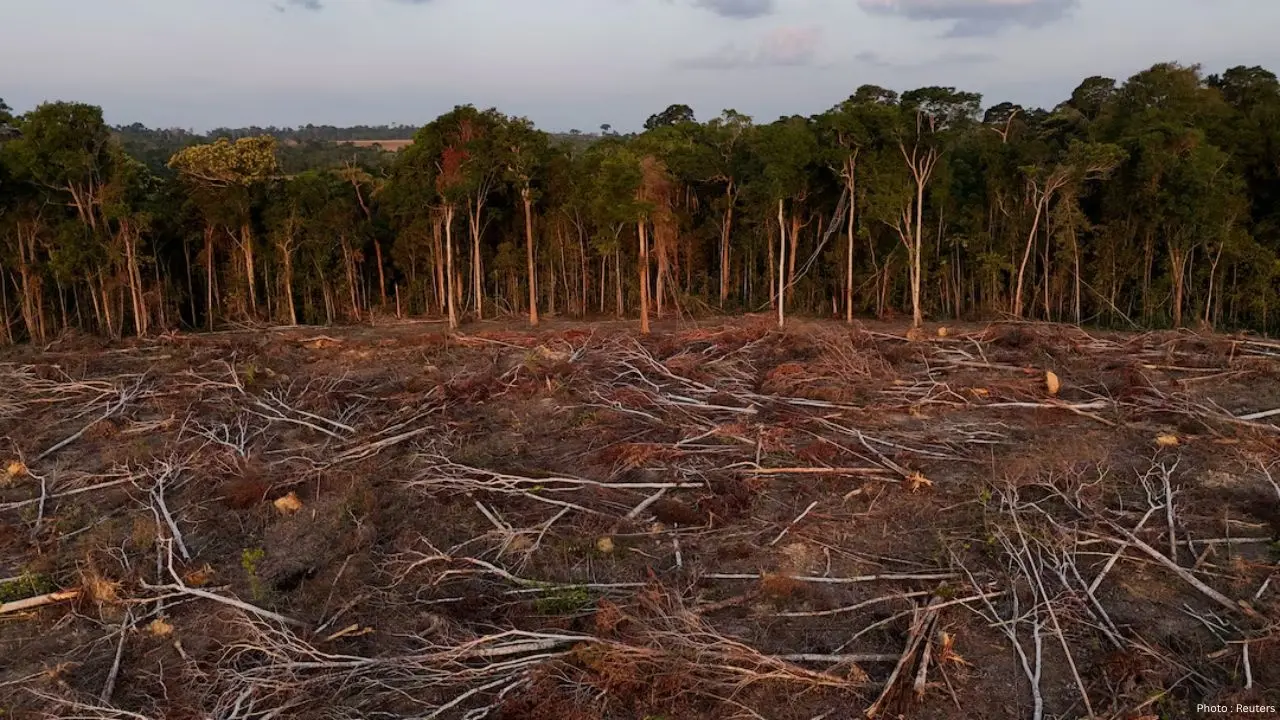
The rising incidence of greenhouse gas emissions from industrial activities, transportation, fossil fuels, and deforestation significantly contributes to climate change. Environmental advocates are persistently urging governments to slash emissions and enhance investments in renewable energy and conservation initiatives.
In response, various countries are ramping up actions to safeguard forests, rehabilitate damaged lands, and fortify environmental regulations. Reforestation and wildlife conservation initiatives are being emphasized as critical steps to combat climate impact.
Moreover, scientists advocate for international collaboration as climate change knows no borders. Environmental challenges arising from increased temperatures greatly affect global food security, water access, health, and economic viability.
This pressing issue underscores the necessity of conserving natural habitats before species face irreversible extinction. The loss of certain plants could mean the disappearance of potential medicinal values and environmental functions that are not yet understood.
Younger generations globally are joining climate awareness campaigns and engaging in conservation efforts, supported by educational institutions and social groups.
Experts assert that individuals can also play a role through everyday actions like minimizing waste, planting trees, conserving water, utilizing cleaner energy, and backing sustainable policies.
Recent studies emphasizing habitat loss serve as a stark reminder of climate change's long-term repercussions on our natural environment. Environmental protection is crucial not only for wildlife and natural ecosystems but also for humanity's survival and the well-being of future generations.
Thus, governments, industries, and communities are under increasing pressure to adopt robust measures against climate-related threats before the damage becomes irreparable. Environmental experts believe that prompt action can mitigate future ecological and economic challenges.
The alert regarding plant species worldwide reflects a larger truth about our planet. Climate change is no longer a distant concern relegated to future generations; its effects are already manifesting across ecosystems, economies, and daily lives around the globe.