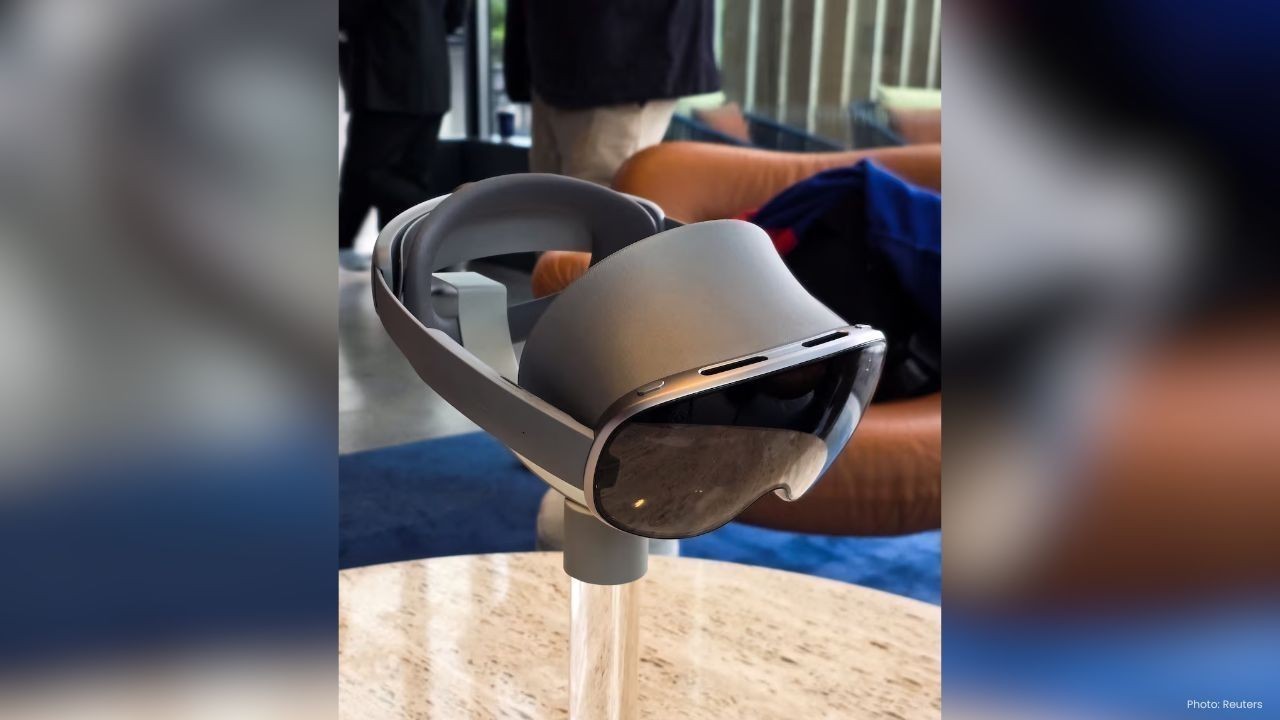
Samsung has officially entered the mixed reality arena with its new Galaxy XR headset, unveiled at the “Worlds Wide Open” event in late October 2025. The device marks a significant move for Samsung, offering an accessible yet premium alternative to high-end headsets like Apple’s Vision Pro.
Cutting-Edge Hardware
The Galaxy XR is equipped with dual micro-OLED displays totaling roughly 29 million pixels and an impressive pixel density of around 4,000 ppi, delivering a 4.3K resolution per eye. Weighing approximately 545 grams, the headset balances performance and comfort. Interaction is described as multimodal, supporting hand gestures, eye-tracking, voice input, and controllers for a versatile user experience.
Stay informed with the latest news. Follow DXB News Network on WhatsApp Channel
Software and Compatibility
Running on Google’s Android XR platform and supporting OpenXR standards, the headset allows many existing Android apps to work out of the box. Developers can also adapt apps into immersive 3D experiences, making the Galaxy XR an attractive option for both creators and enterprise users.
Pricing and Availability
Globally, the Galaxy XR starts at $1,799, positioning it significantly below Apple’s Vision Pro while offering comparable high-end specifications. While Samsung has not yet confirmed pricing for the UAE, a local launch is anticipated, with pre-registration promotions in the US including a $100 credit.
How It Compares
Galaxy XR vs Vision Pro: Samsung’s headset claims higher pixel density and slightly lighter weight than Apple’s Vision Pro, while costing nearly half. However, Apple’s ecosystem advantages remain strong for users already invested in iOS/macOS.
Galaxy XR vs Meta Quest 3: Compared to the more budget-friendly Quest 3 ($499), the Galaxy XR delivers superior display, optics, tracking, and enterprise-level features. Quest 3 is better suited for casual VR or gaming, while Galaxy XR targets immersive productivity and creator experiences.
Considerations
Early reports indicate that battery life could be a limitation (2–2.5 hours for general or video use). Comfort, especially for long sessions or glasses wearers, will be key to adoption. Samsung’s open ecosystem approach could accelerate XR adoption, but market scepticism remains as global XR headset shipments are projected to decline in 2025.
The Galaxy XR signals a shift in XR: no longer just niche gadgets, these headsets are moving toward mainstream computing. For users looking to explore immersive computing in regions like the UAE, Samsung’s offering is a compelling, high-spec option—provided they are ready to navigate battery and comfort considerations.