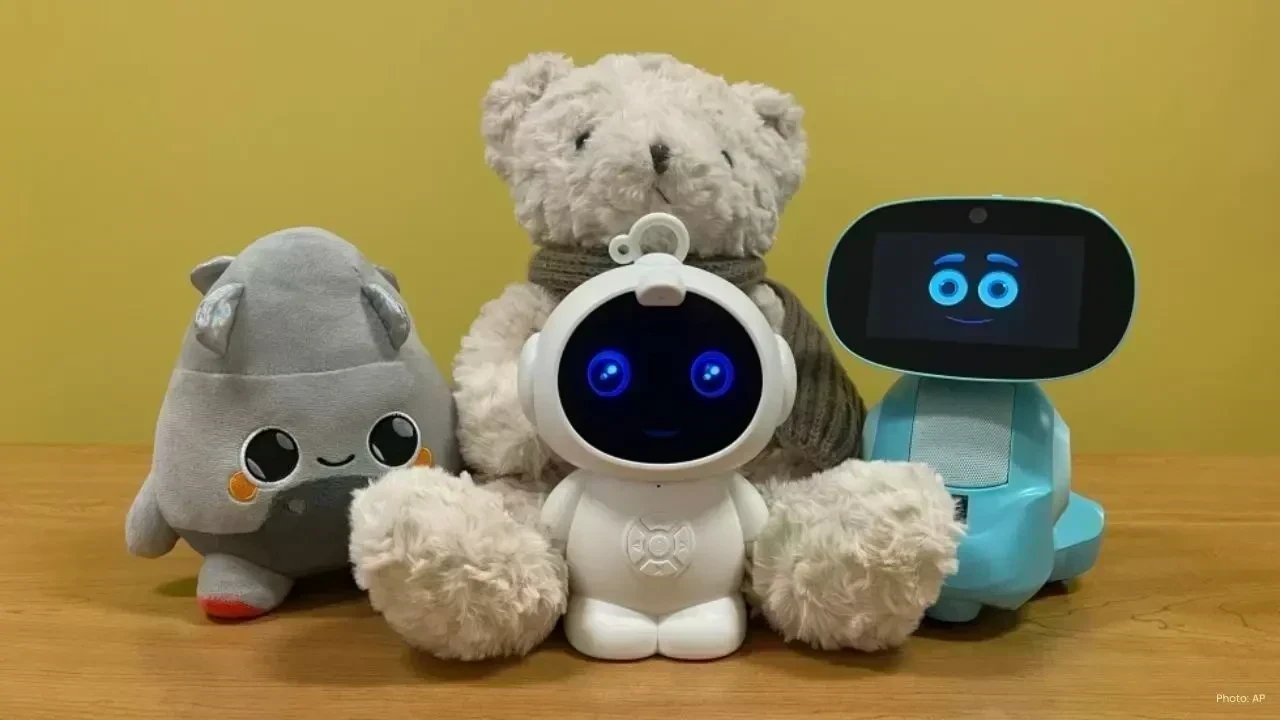
As the holiday season approaches, AI-powered toys are drawing both excitement and concern. Marketed as educational companions that can talk, play, and learn, these toys are increasingly popular among young children. But experts and advocacy groups warn parents to think twice before gifting them.
AI toys, including interactive robots and talking plush figures, often use sophisticated AI models similar to those behind popular chatbots. While they promise engagement and learning, groups like Fairplay caution that they can expose children to unsafe content, encourage unhealthy habits, and replace imaginative play.
“These toys can form bonds with children, but young brains are highly impressionable,” said child development advocates. The risk isn’t just limited to exposure to inappropriate material; AI toys may also reduce opportunities for creativity, problem-solving, and human interaction, all crucial for early development.
Consumer watchdogs have flagged incidents where toys discussed sensitive topics or provided guidance on unsafe behaviors. While some companies, like Curio Interactive and Miko, say they have implemented safety measures and parental controls, critics argue there is little independent regulation or research to ensure these safeguards are effective.
Beyond potential harm, experts emphasize the value of traditional toys. Simple blocks, dolls, or non-interactive stuffed animals encourage children to invent stories, explore ideas, and develop social skills without outsourcing these learning processes to an AI.
The rising popularity of AI toys, particularly online and in international markets, suggests the debate is only beginning. Parents are advised to weigh the novelty and educational claims against the possible developmental impacts before making holiday purchases.