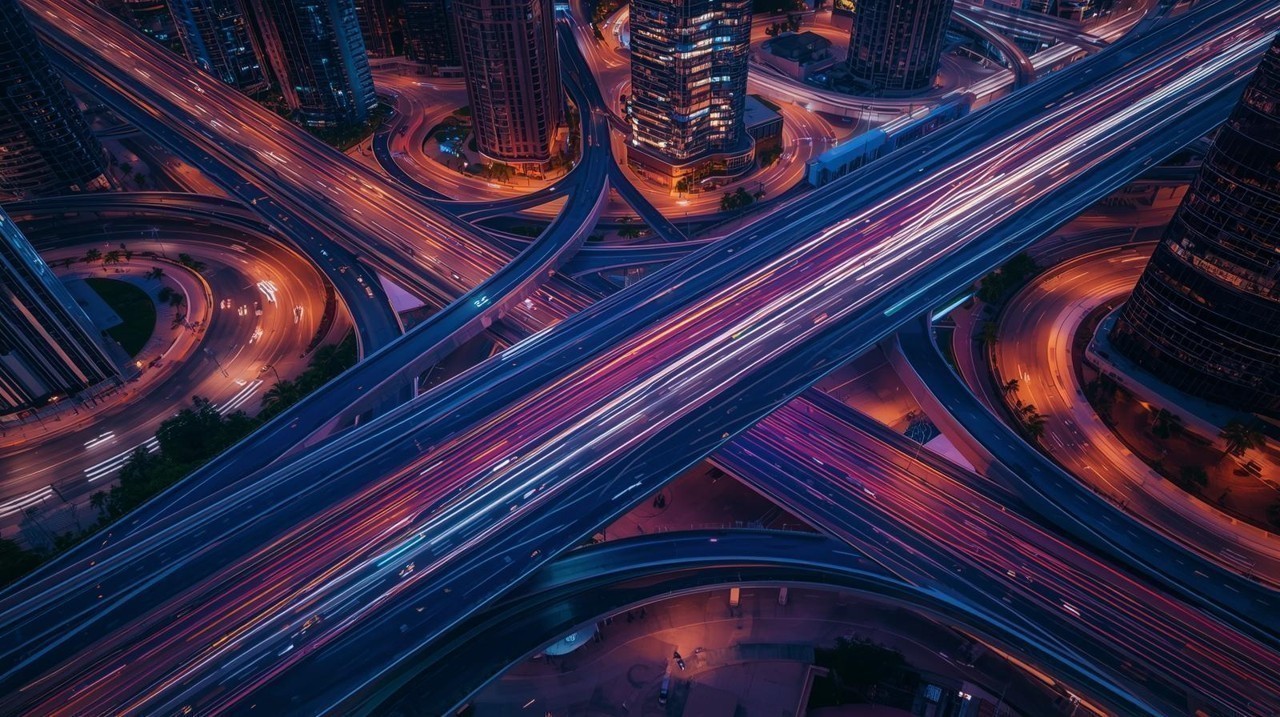
Dubai’s Push for Smart Traffic Management: What’s Ahead
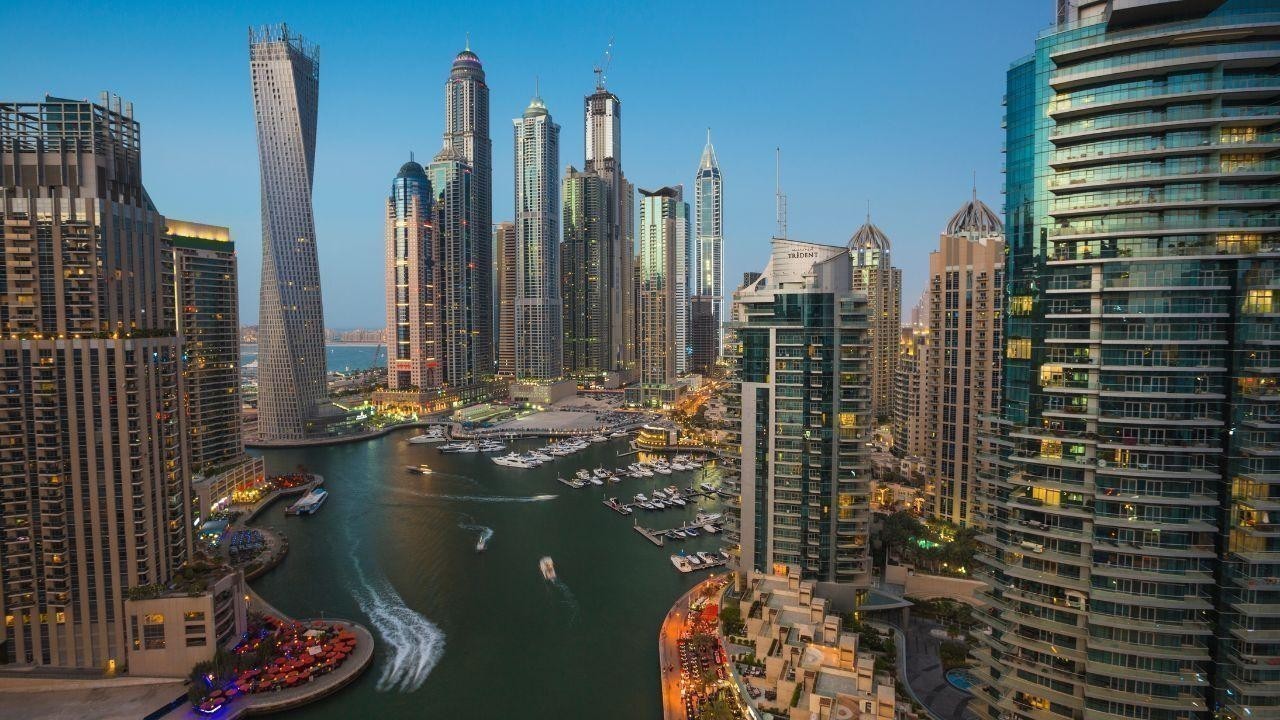
Dubai, known for its futuristic skyline and rapid urban development, is taking a technological leap in traffic management. With increasing population, expanding road networks, and growing vehicle numbers, the city faces the challenge of maintaining smooth traffic flow, reducing congestion, and enhancing road safety. To address these issues, Dubai is investing heavily in smart traffic management systems, integrating AI, IoT, and advanced analytics to create a safer, more efficient transportation environment.
This article explores Dubai’s smart traffic initiatives, technologies, and what the future holds for residents, commuters, and businesses.
Why Dubai Needs Smart Traffic Solutions
Rapid urbanization and population growth have put pressure on the city’s transportation infrastructure:
-
Increasing Vehicle Numbers: Dubai’s roads witness thousands of new vehicles every year.
-
Traffic Congestion: Peak-hour traffic affects productivity, fuel consumption, and travel time.
-
Road Safety: Despite modern infrastructure, accidents and road incidents require smarter monitoring and management.
-
Environmental Concerns: Vehicle emissions contribute to air pollution and carbon footprint.
Smart traffic systems aim to address these challenges using technology, improving mobility and quality of life for residents.
Key Technologies Driving Smart Traffic in Dubai
Dubai is leveraging advanced technologies to optimize traffic flow:
-
Artificial Intelligence (AI): AI algorithms analyze traffic patterns in real-time, enabling predictive traffic management and proactive congestion control.
-
Internet of Things (IoT): Smart sensors, cameras, and connected devices collect data from roads, traffic lights, and vehicles to monitor conditions continuously.
-
Intelligent Traffic Lights: Adaptive traffic signals adjust timing based on real-time traffic density, minimizing delays and improving flow.
-
Smart Parking Solutions: IoT-enabled parking sensors guide drivers to available spots, reducing unnecessary traffic circling for parking.
-
Data Analytics & Predictive Modeling: Historical and real-time traffic data help authorities predict congestion and plan infrastructure projects effectively.
These technologies work together to create a fully integrated, intelligent traffic ecosystem across Dubai.
Major Smart Traffic Initiatives in Dubai
Dubai has launched several projects to implement smart traffic solutions:
-
RTA Smart Traffic Center: The Roads and Transport Authority (RTA) manages traffic in real-time using AI and analytics to reduce congestion.
-
Smart Roads & Signals: Implementation of adaptive traffic lights, electronic signage, and dynamic lane management.
-
Dubai Autonomous Transportation Strategy: Integration of autonomous vehicles with smart traffic systems to improve safety and efficiency.
-
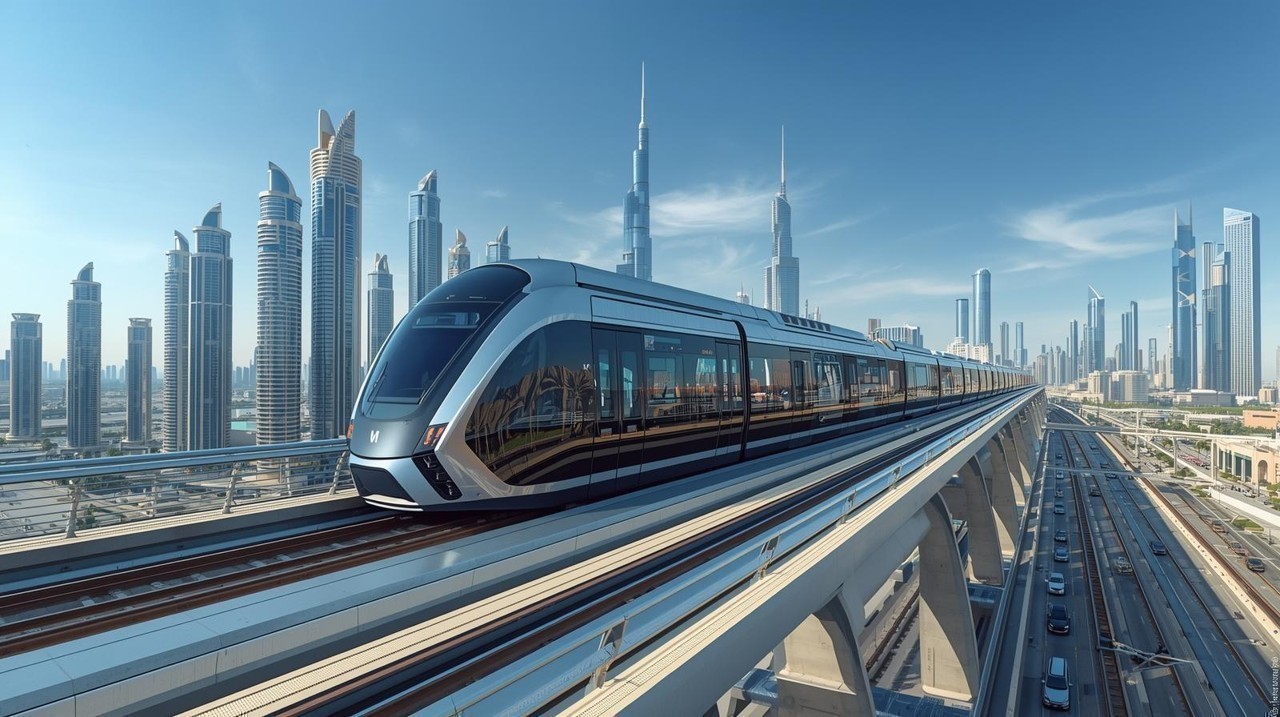
IoT-Enabled Public Transport: Smart buses, trams, and metro systems that communicate with traffic signals to optimize travel times.
These initiatives reflect Dubai’s commitment to sustainable, efficient, and technology-driven urban mobility.
Benefits for Residents and Businesses
Smart traffic management brings multiple advantages:
-
Reduced Travel Time: Adaptive signals and optimized traffic flow make commutes faster.
-
Enhanced Road Safety: AI monitoring detects incidents early, reducing accidents and improving emergency response.
-
Environmental Impact: Fewer traffic jams and smoother flow decrease fuel consumption and emissions.
-
Business Efficiency: Timely delivery of goods and services improves, benefiting logistics and e-commerce sectors.
-
Better Urban Planning: Real-time data informs city planning, helping design smarter roads and infrastructure.
Overall, smart traffic management improves quality of life, safety, and productivity across the city.
The Future of Smart Traffic in Dubai
Dubai is aiming to become one of the world’s smartest and most connected cities. Upcoming developments include:
-
Integration with AI-Powered Navigation Apps: Real-time traffic suggestions and route optimization for private and public transport.
-
Vehicle-to-Infrastructure Communication (V2I): Cars will communicate with traffic signals and roads to prevent congestion and accidents.
-
Smart Mobility Hubs: Combining autonomous vehicles, e-mobility solutions, and smart traffic data for seamless urban transport.
-
Expansion of IoT Networks: More sensors and data collection points to monitor city-wide traffic patterns effectively.
Dubai’s vision is to ensure that technology enhances mobility while reducing environmental impact and improving public safety.
Conclusion
Dubai’s push for smart traffic management demonstrates the city’s forward-thinking approach to urban mobility. By leveraging AI, IoT, and predictive analytics, the Roads and Transport Authority is creating a safer, faster, and more sustainable transportation ecosystem.
For residents, businesses, and tourists, the benefits are clear—reduced travel times, improved safety, and a cleaner environment. As Dubai continues to innovate, its smart traffic initiatives could serve as a global model for urban transportation in the 21st century.