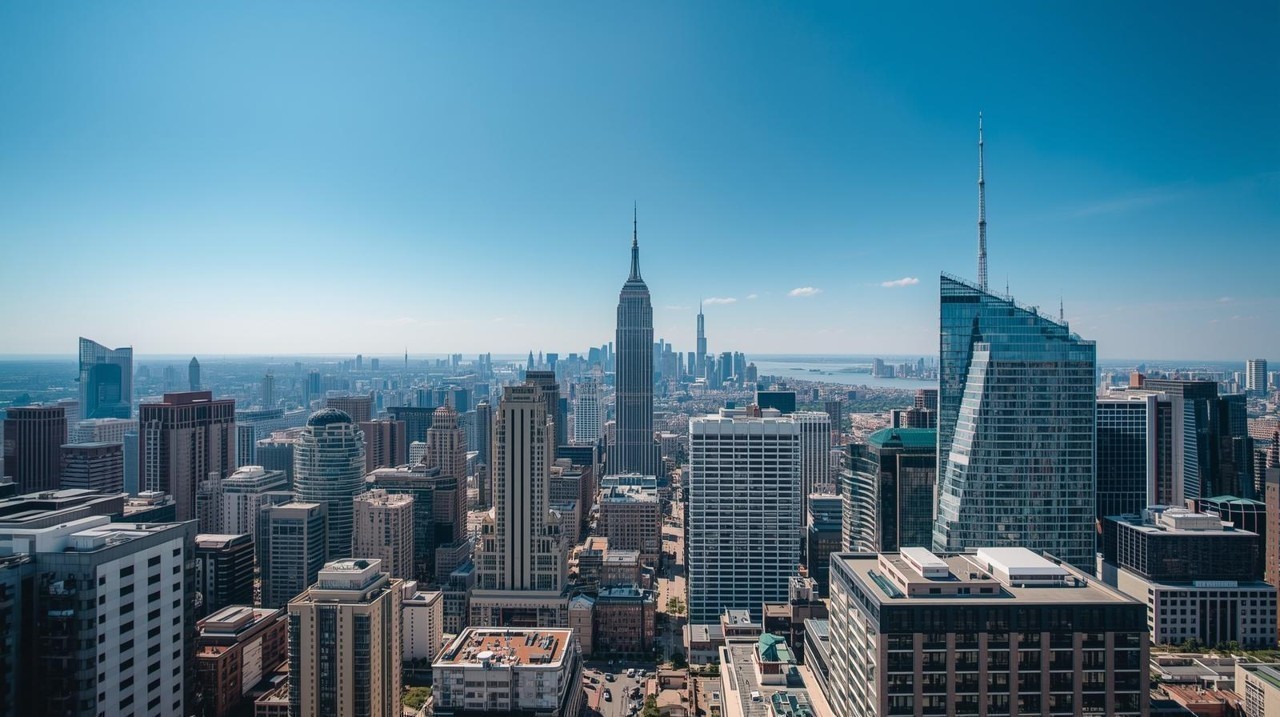
Dubai Real Estate Forecast 2025: Where the Market is Headed
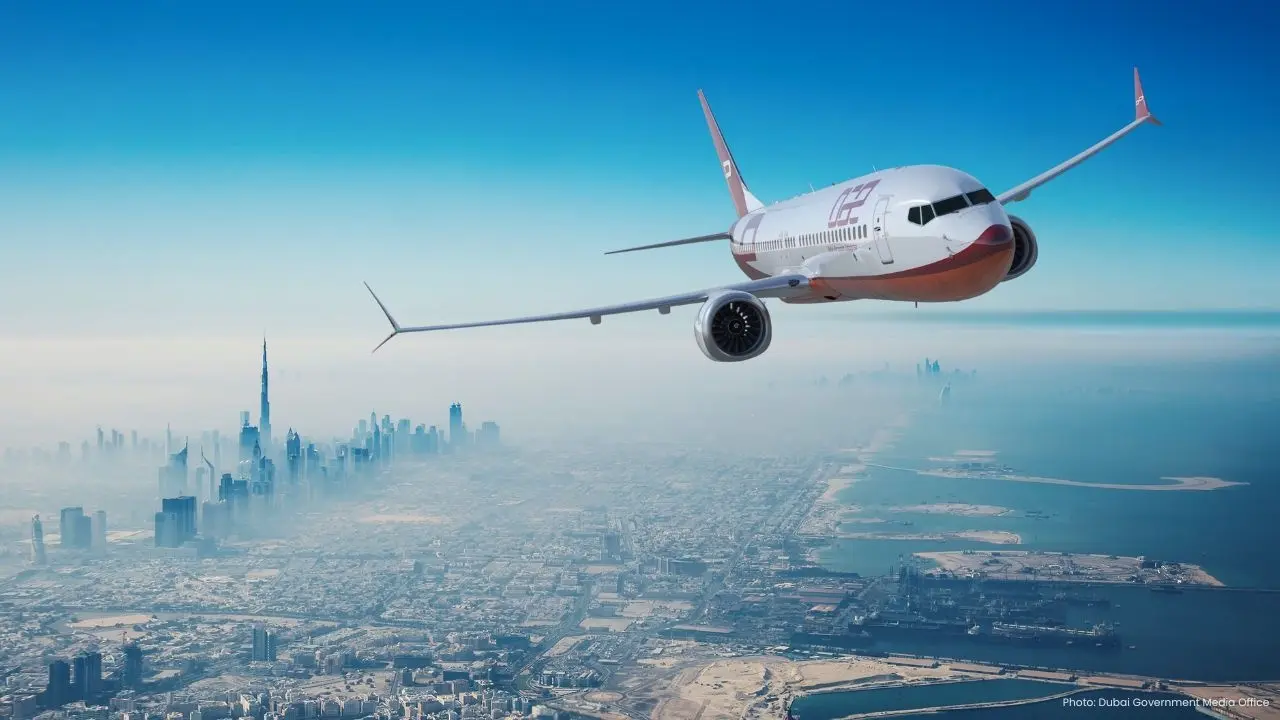
Dubai has consistently proven itself as a dynamic and resilient real estate market. As we approach 2025, the city’s property sector is expected to continue evolving, shaped by international investments, government policies, and lifestyle trends. Understanding the market forecast is essential for investors, homebuyers, and developers aiming to capitalize on growth opportunities.
Market Overview and Current Trends
Dubai’s real estate sector has recovered strongly from past global challenges. Key drivers for growth in 2025 include:
-
Expo 2020 Legacy: Infrastructure and tourism projects from Expo 2020 continue to boost property demand.
-
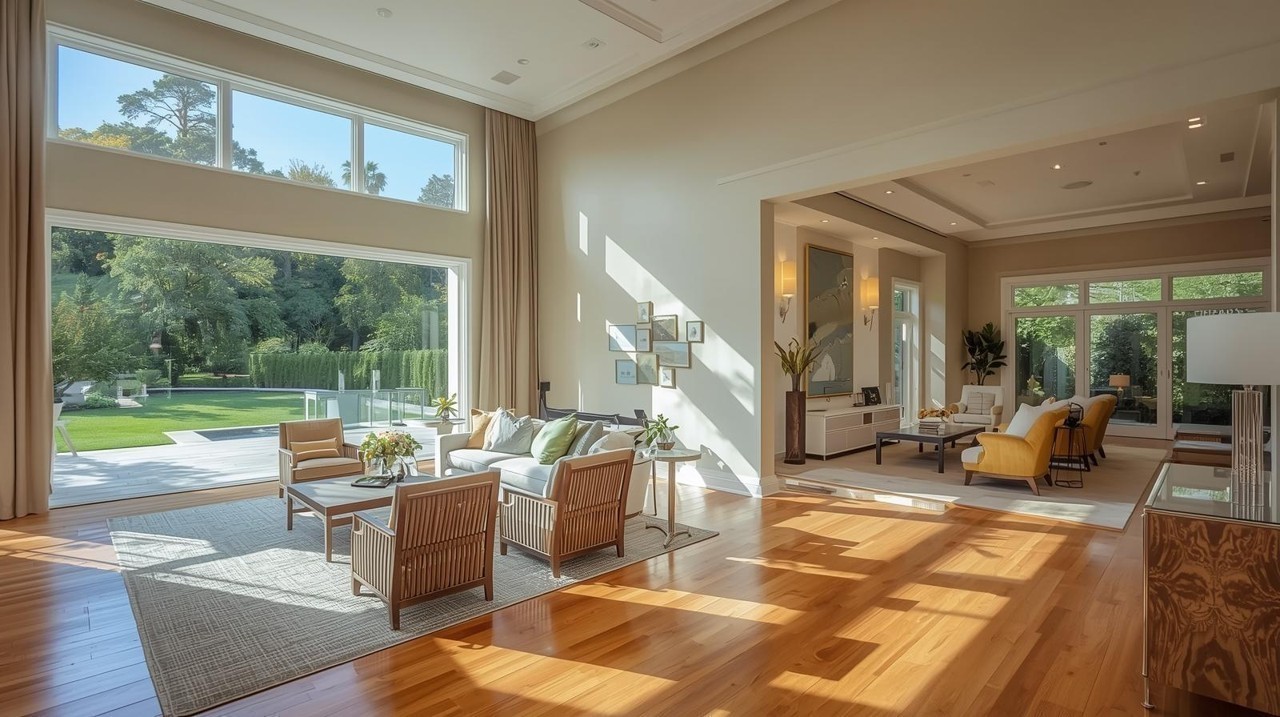
High-End Residential Demand: Luxury apartments, villas, and waterfront properties remain highly sought after by expatriates and investors.
-
Government Initiatives: Policies like long-term visas, retirement visas, and investor-friendly regulations encourage property investment.
Developers are increasingly focusing on mixed-use projects that combine residential, commercial, and leisure spaces, reflecting the modern lifestyle preferences of residents.
Key Growth Areas in Dubai
1. Downtown Dubai and Business Bay
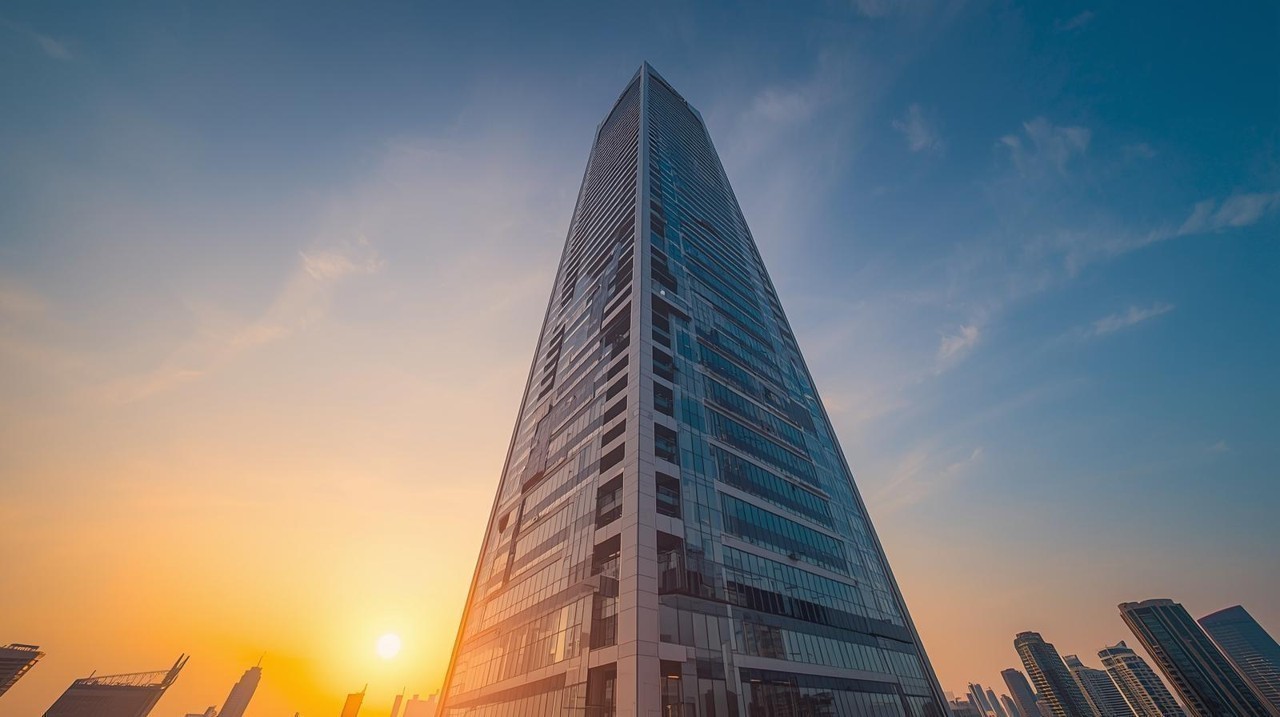
These areas remain hotspots for high-end apartments and penthouses. Demand is driven by proximity to business hubs, entertainment, and iconic landmarks such as Burj Khalifa. Investors benefit from consistent rental income and long-term capital appreciation.
2. Palm Jumeirah
Palm Jumeirah continues to attract ultra-luxury buyers seeking beachfront villas and high-end apartments. Its exclusivity and global appeal make it a resilient investment location.
3. Dubai Marina and Jumeirah Beach Residence (JBR)
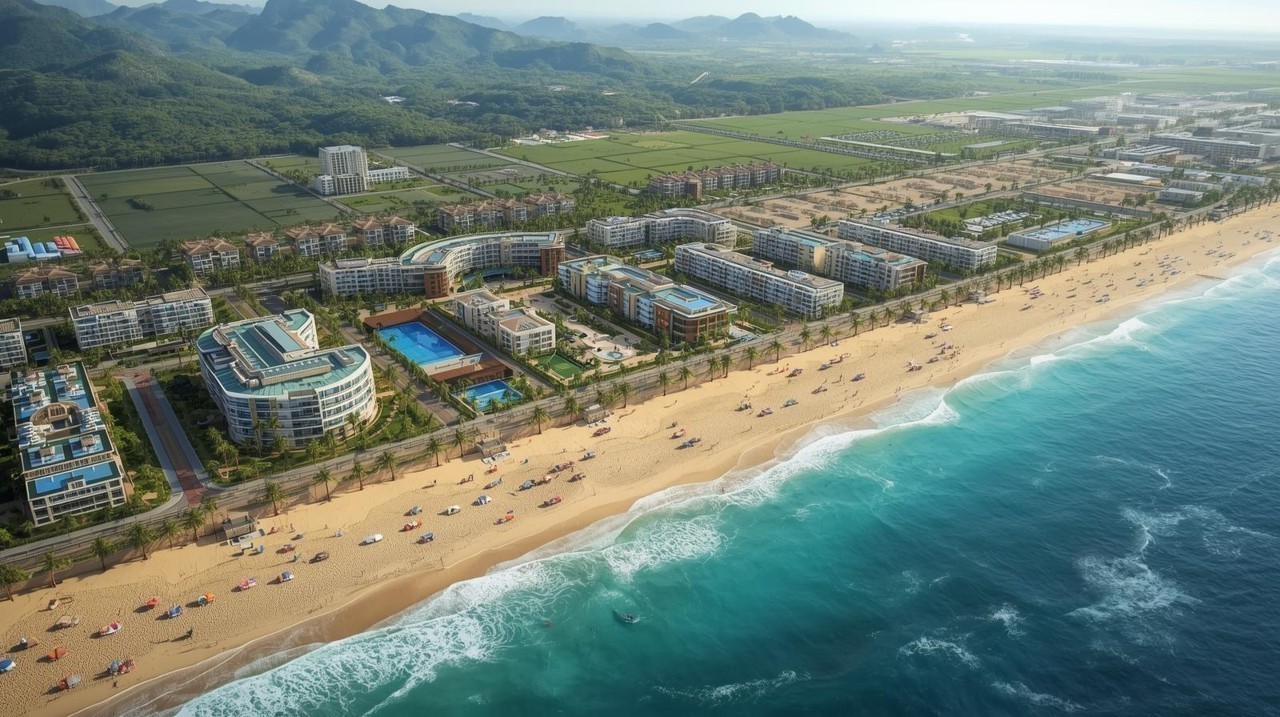
Waterfront living is increasingly popular. Apartments and penthouses with marina or sea views are expected to retain high rental yields and strong resale value.
4. Dubai Hills Estate and Jumeirah Village Circle (JVC)
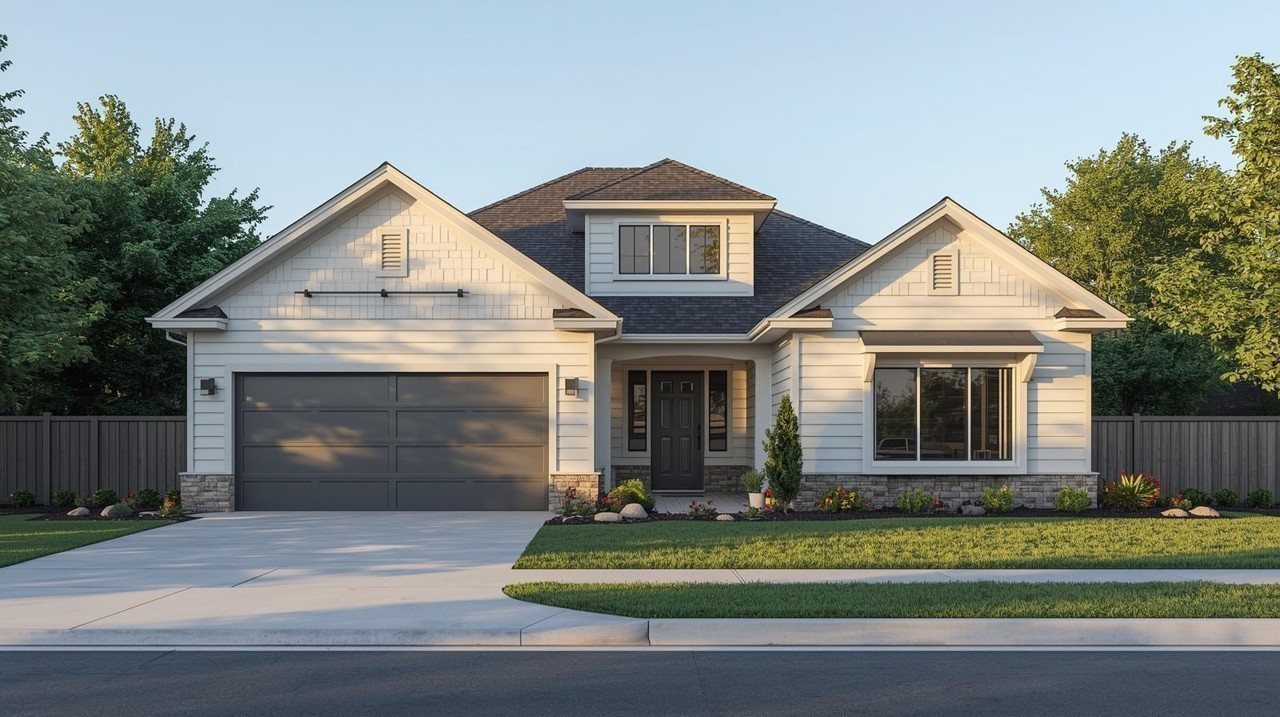
Affordable luxury villas and townhouses in these areas appeal to families and mid-tier investors. The combination of community living, greenery, and modern amenities drives demand.
Luxury Market Outlook
Dubai’s luxury segment is expected to remain a key growth driver in 2025:
-
Branded Residences: Collaborations with global brands such as Armani, Versace, and Bulgari offer exclusivity and high-quality standards.
-
Mega Mansions: High-net-worth individuals continue to invest in sprawling villas on Palm Jumeirah and Emirates Hills.
-
Short-Term Rentals: Tourist-heavy areas offer opportunities for premium short-term rental income, especially in Downtown Dubai and Dubai Marina.
Factors Shaping the 2025 Market
-
Economic Stability: Dubai’s diversified economy, including tourism, trade, and finance, supports steady demand for property.
-
Expo Legacy Projects: Developments linked to Expo 2020 continue to enhance infrastructure and attract investors.
-
Regulatory Support: Long-term visas and investor-friendly property laws encourage both local and international buyers.
-
Technological Integration: Smart homes, sustainable designs, and AI-powered property management solutions are becoming standard in new developments.
Investment Opportunities
-
Waterfront Properties: Apartments, villas, and penthouses along Dubai Marina, Palm Jumeirah, and Jumeirah Beach remain high-yield options.
-
Affordable Villas and Townhouses: Communities like JVC and Dubai Hills Estate offer growth potential at competitive prices.
-
Commercial Real Estate: Offices, retail spaces, and mixed-use developments benefit from Dubai’s growing business sector.
-
Branded Residences: Global brand partnerships ensure exclusivity, strong resale value, and high rental demand.
Challenges to Consider
-
Market Saturation: Certain areas may experience oversupply, leading to slower appreciation.
-
Economic Fluctuations: Global economic shifts, interest rates, and inflation can influence property prices.
-
Maintenance and Service Fees: Luxury and community properties often come with high service charges, affecting net returns.
-
Regulatory Changes: Investors must stay informed about updates in property laws and visa regulations.
Conclusion
Dubai’s real estate market in 2025 is set to continue its upward trajectory, driven by luxury residential demand, government support, and international investments. Waterfront properties, branded residences, and mixed-use communities offer lucrative opportunities for both investors and end-users.
Understanding the market dynamics, growth areas, and potential risks is crucial for making informed property decisions. Dubai remains a global hotspot for real estate, combining lifestyle, luxury, and investment potential in one dynamic city.