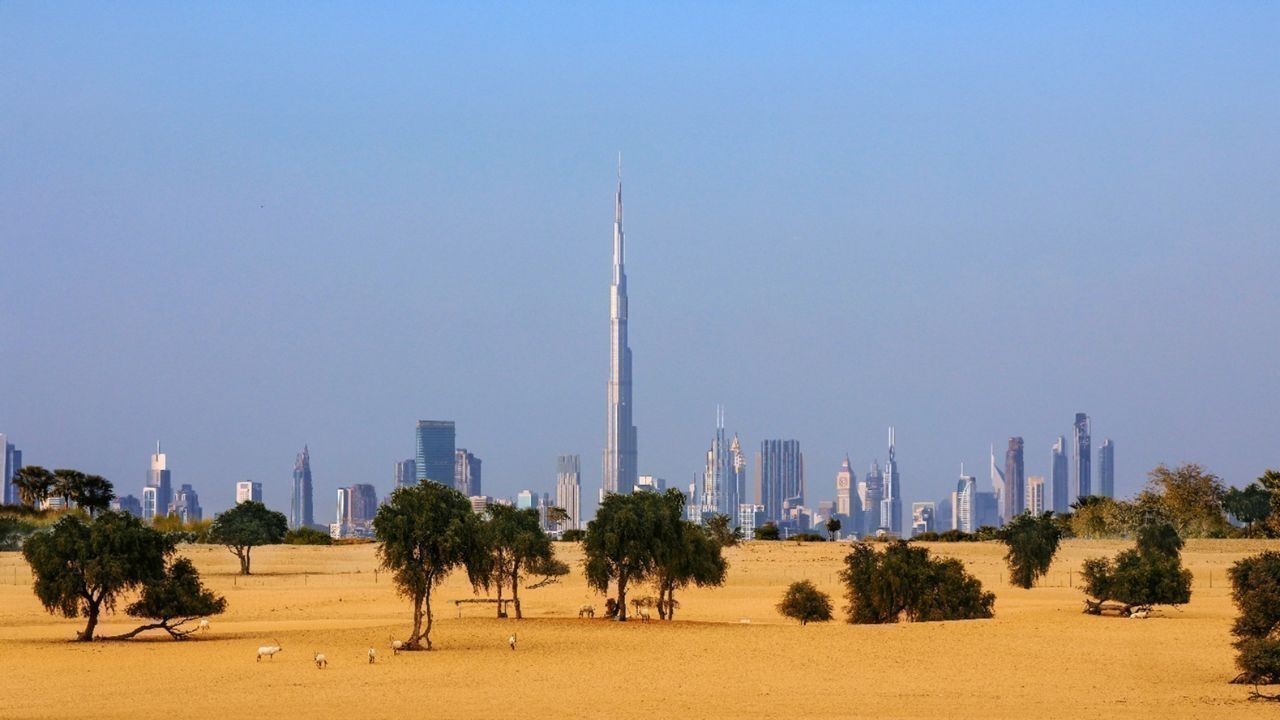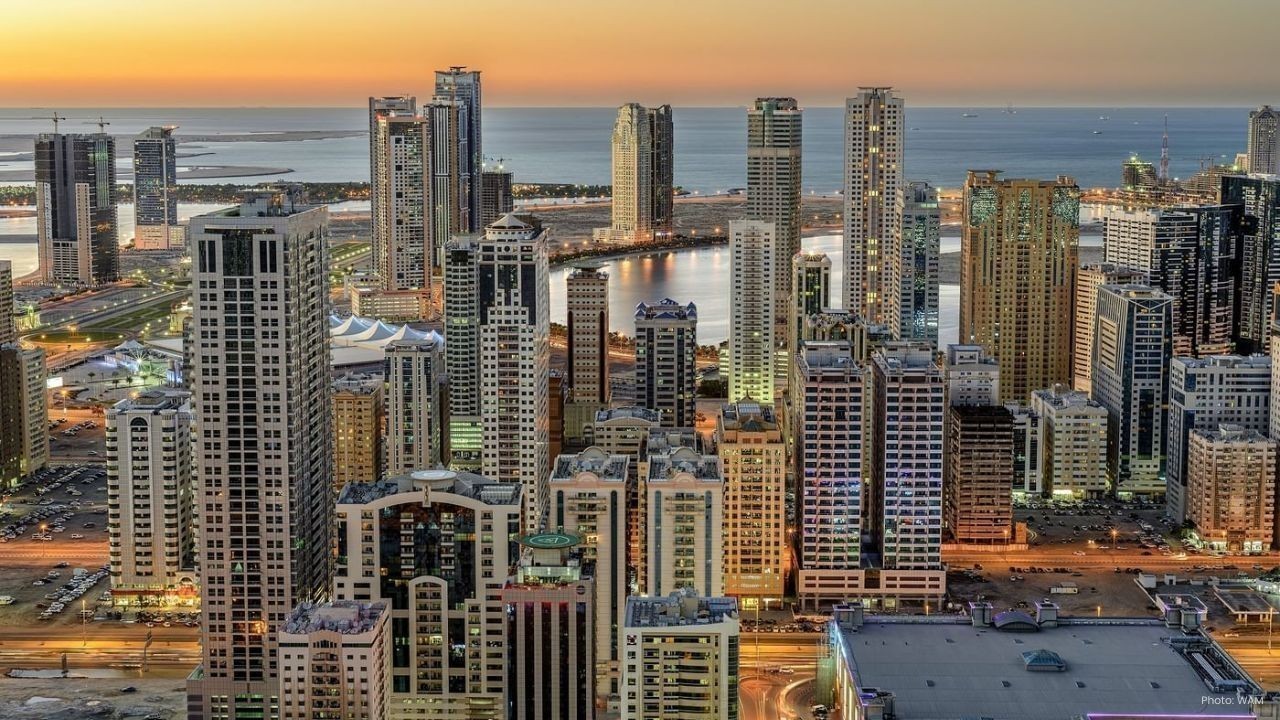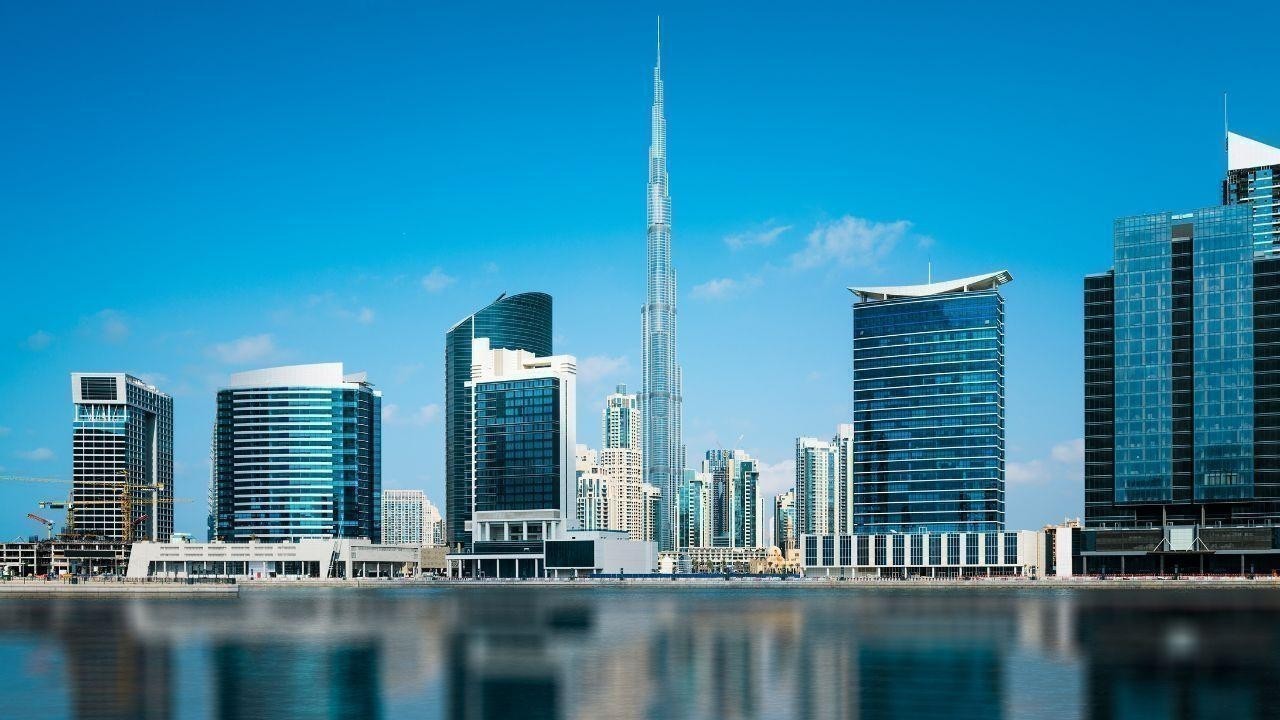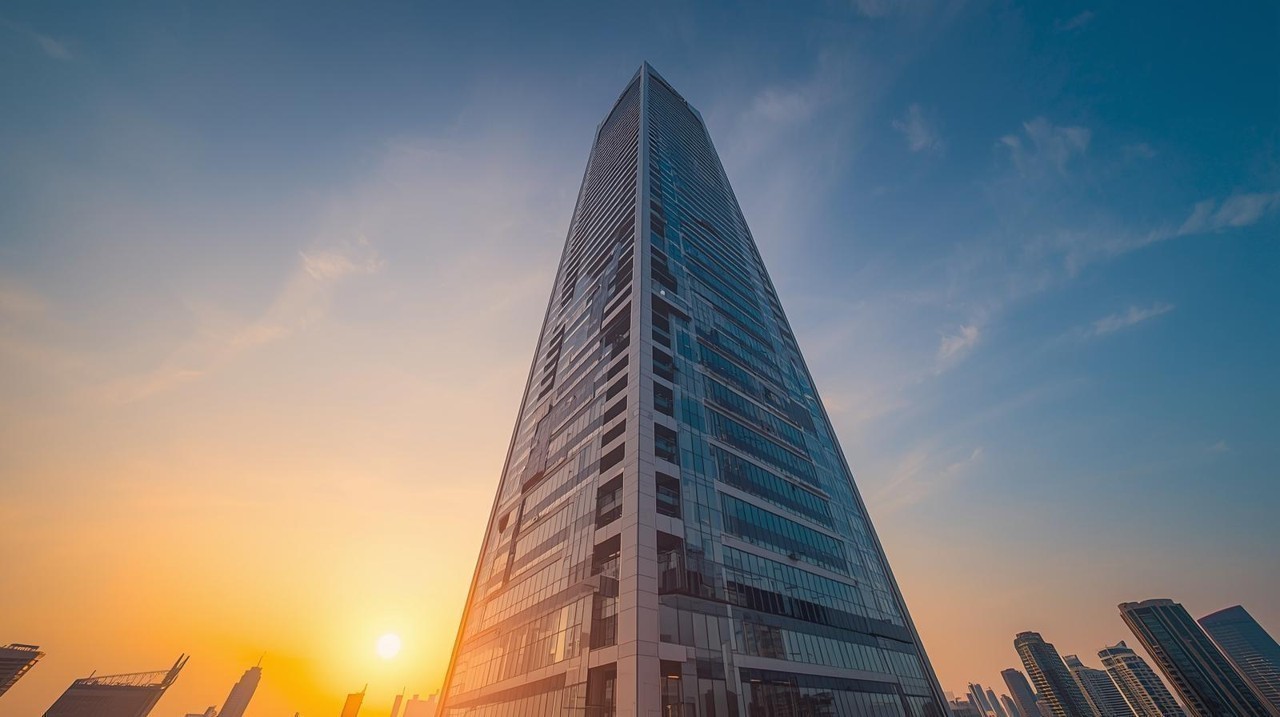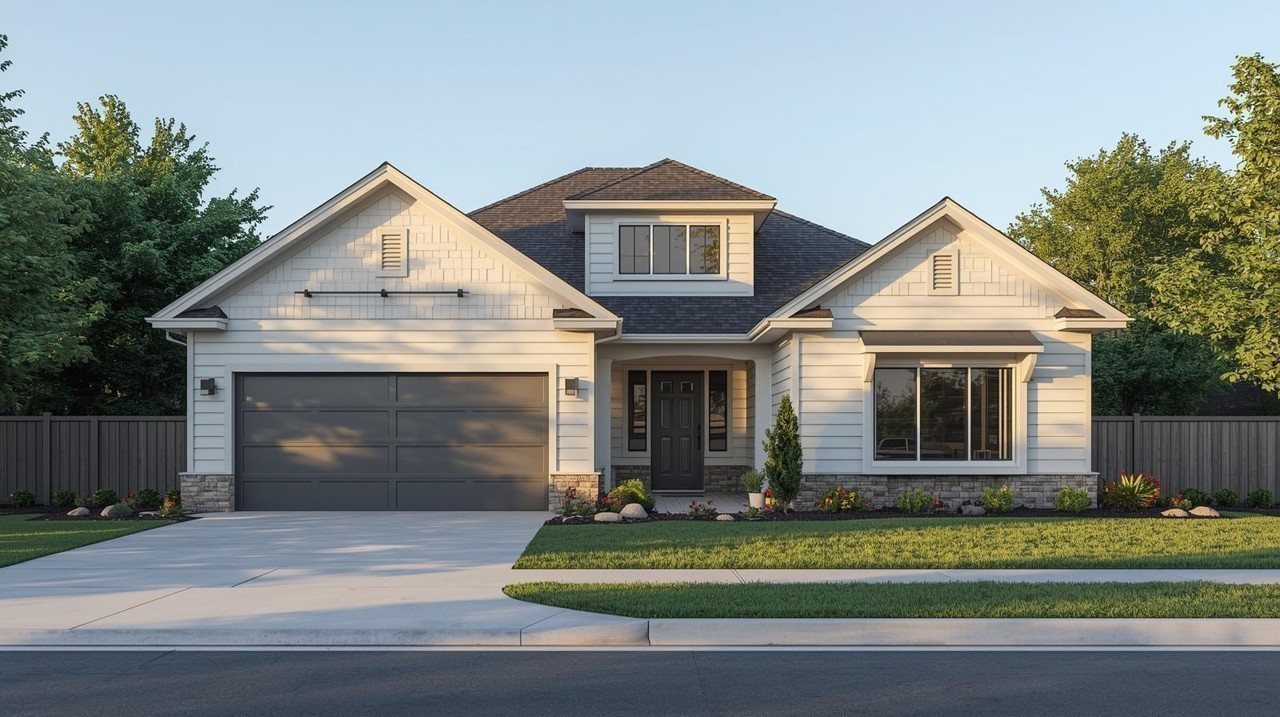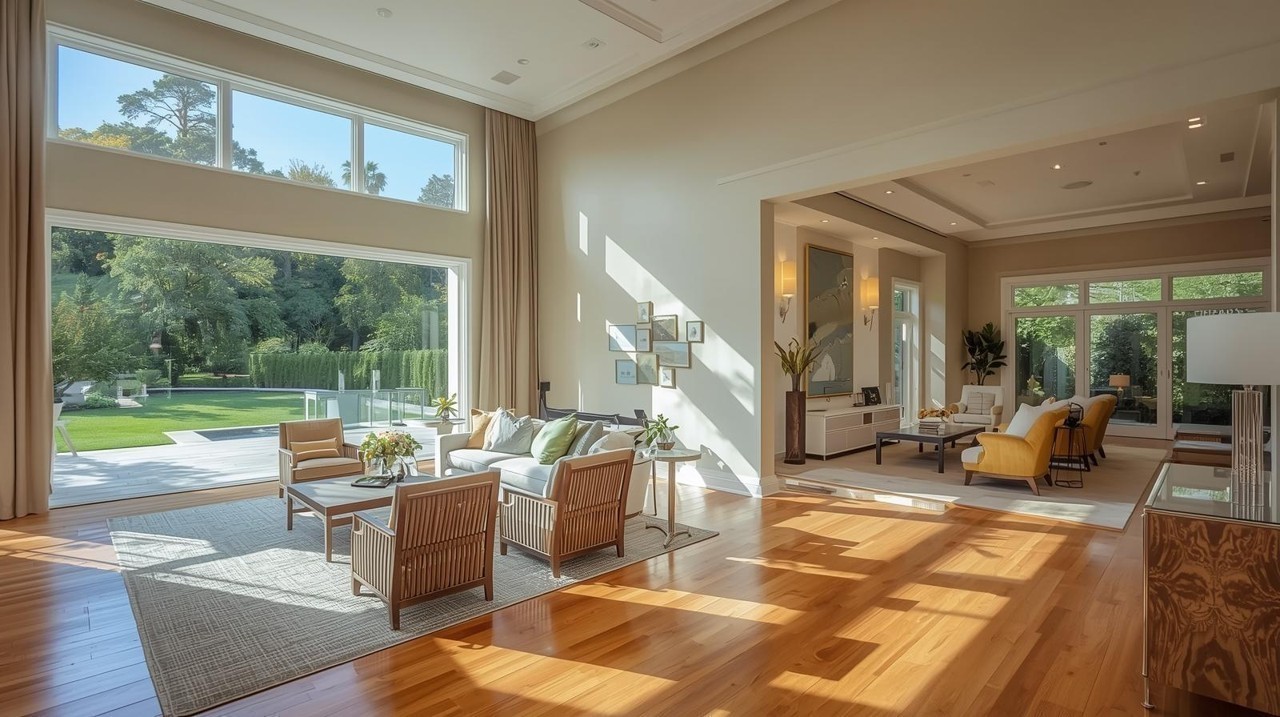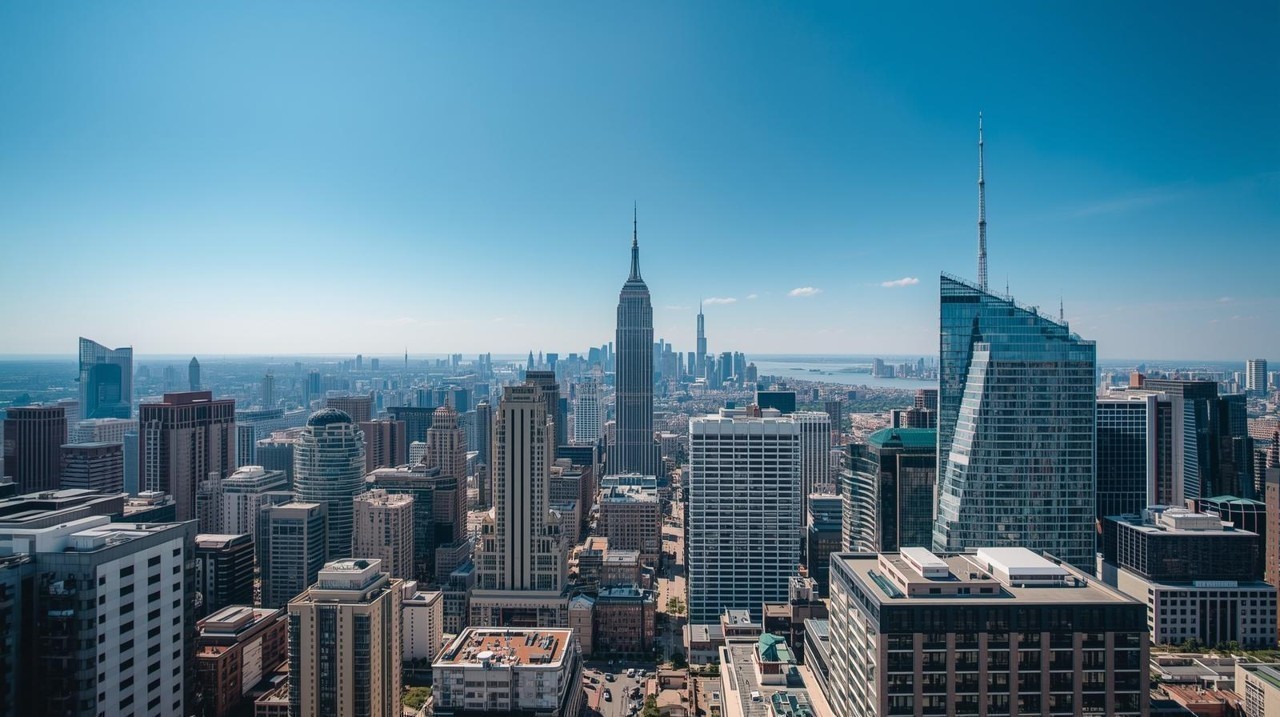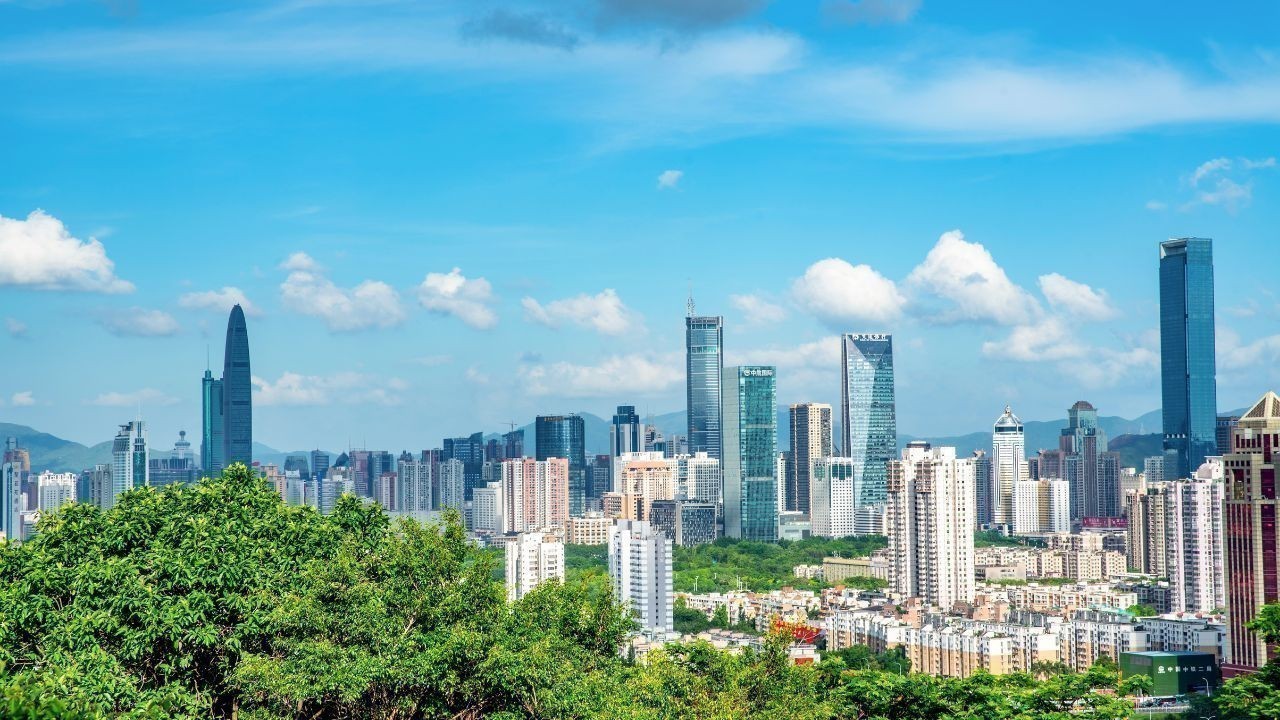
Dubai’s real estate market has always been a global hub for investors, combining luxury, innovation, and strategic opportunities. As we move towards 2030, the market is set to enter a transformative phase that could completely redefine property investments. The next decade promises growth, sustainability, and tech-driven solutions, making it a key focus for both local and international investors.
Projected Market Growth
Dubai’s real estate sector has experienced remarkable growth over the past few years. Transaction volumes continue to rise, reflecting increasing demand from investors and residents alike. Experts predict that the market could reach new heights by 2030, driven by population growth, infrastructure expansion, and investor-friendly policies.
Factors contributing to this growth include rising urbanization, a steady influx of expatriates, and the city’s ongoing transformation into a smart and sustainable metropolis. Dubai’s property sector is expected to attract both short-term buyers and long-term investors due to its strong potential for rental yields and capital appreciation.
Key Trends Shaping Dubai’s Real Estate by 2030
1. Sustainable and Smart Developments
Sustainability is becoming central to Dubai’s real estate strategy. New projects are increasingly focused on energy efficiency, green construction, and environmentally friendly technologies. From solar-powered communities to waste recycling initiatives, Dubai is setting benchmarks for sustainable urban living.
Smart city solutions, including smart meters, automated security systems, and digital property management, are also reshaping the market. These innovations improve efficiency, reduce costs, and enhance the quality of life for residents.
2. Rising Demand for Luxury Properties
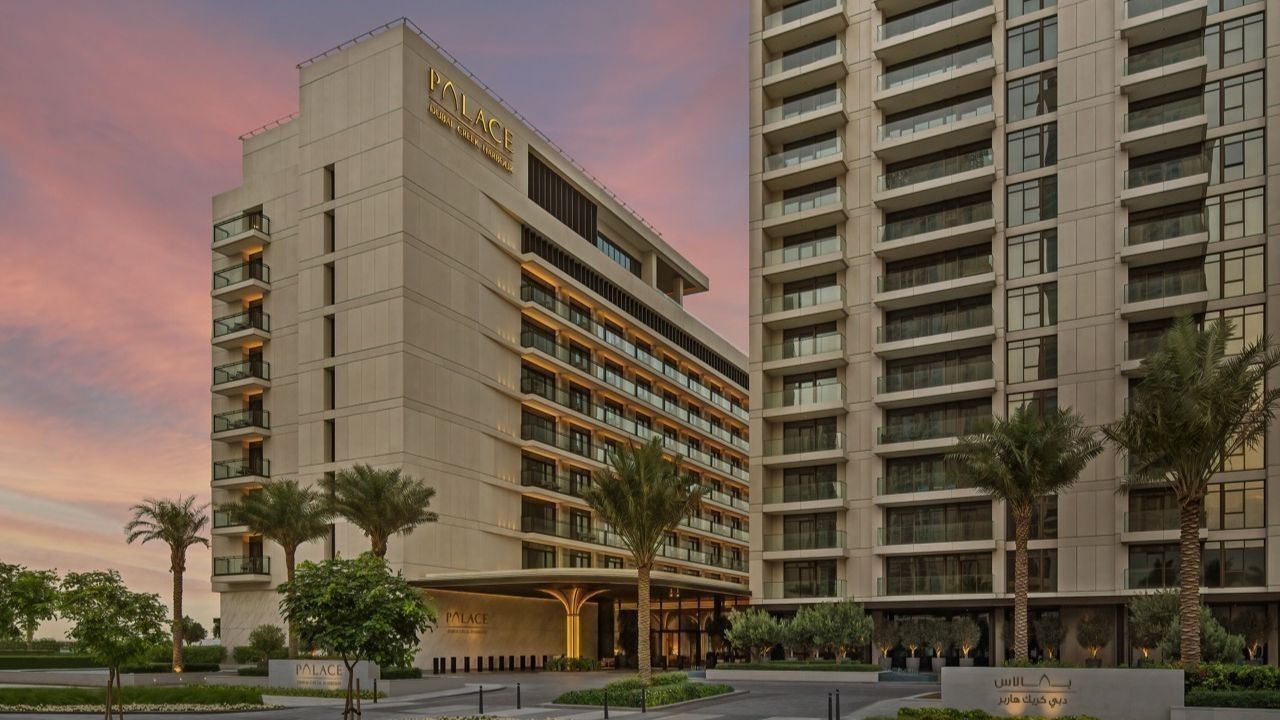
Luxury real estate remains a key attraction in Dubai, with prime areas like Palm Jumeirah, Dubai Marina, and Downtown Dubai offering high-end apartments and villas. Investors are drawn to these locations for their high rental yields, lifestyle offerings, and potential for long-term capital growth.
The luxury segment is expected to continue flourishing as the city attracts wealthy individuals seeking both residence and investment opportunities. Exclusive developments with world-class amenities, waterfront views, and smart home features are set to remain in strong demand.
3. Popularity of Off-Plan Developments
Off-plan properties continue to be highly sought after due to flexible payment plans and the potential for future appreciation. These projects allow investors to purchase units before completion at competitive prices.
By 2030, off-plan developments are likely to dominate transaction volumes, offering opportunities in emerging areas and new master-planned communities. This trend encourages early investment and allows buyers to customize their properties according to modern lifestyles and smart home trends.
4. Population Growth and Urban Expansion
Dubai’s population is steadily increasing, creating strong demand for residential, commercial, and mixed-use developments. By 2030, the population is projected to grow significantly, prompting urban expansion and infrastructure development.
This growth will support the creation of new communities, shopping hubs, entertainment zones, and commercial districts. Urban planning efforts are aimed at balancing density with livability, ensuring residents enjoy high-quality amenities and sustainable infrastructure.
5. Government Initiatives and Regulatory Reforms
Dubai’s government continues to implement policies that enhance investor confidence and market stability. Regulatory reforms, such as simplified property ownership rules, long-term visas for investors, and streamlined licensing processes, are attracting foreign investment.
Visionary plans, including the creation of employment opportunities and youth training programs, support economic growth and contribute indirectly to the real estate sector. These measures ensure Dubai remains an attractive investment destination, providing long-term stability and transparency for investors.
Investment Opportunities
1. Affordable Housing
While luxury properties dominate headlines, affordable housing is gaining momentum. With the growing population, there is a significant need for well-planned, reasonably priced residential projects.
Investors can tap into this segment for steady rental returns and long-term capital appreciation. Affordable housing projects also benefit from government support, ensuring a consistent demand from residents.
2. Commercial and Industrial Real Estate
Dubai’s strategic location as a global business hub creates opportunities in commercial and industrial real estate. From office spaces in free zones to logistics hubs and warehouses, these sectors are poised for growth.
As e-commerce, manufacturing, and trade continue to expand, demand for commercial and industrial properties will rise. Investors focusing on these sectors can enjoy stable returns while benefiting from Dubai’s economic diversification initiatives.
3. Mixed-Use and Waterfront Developments
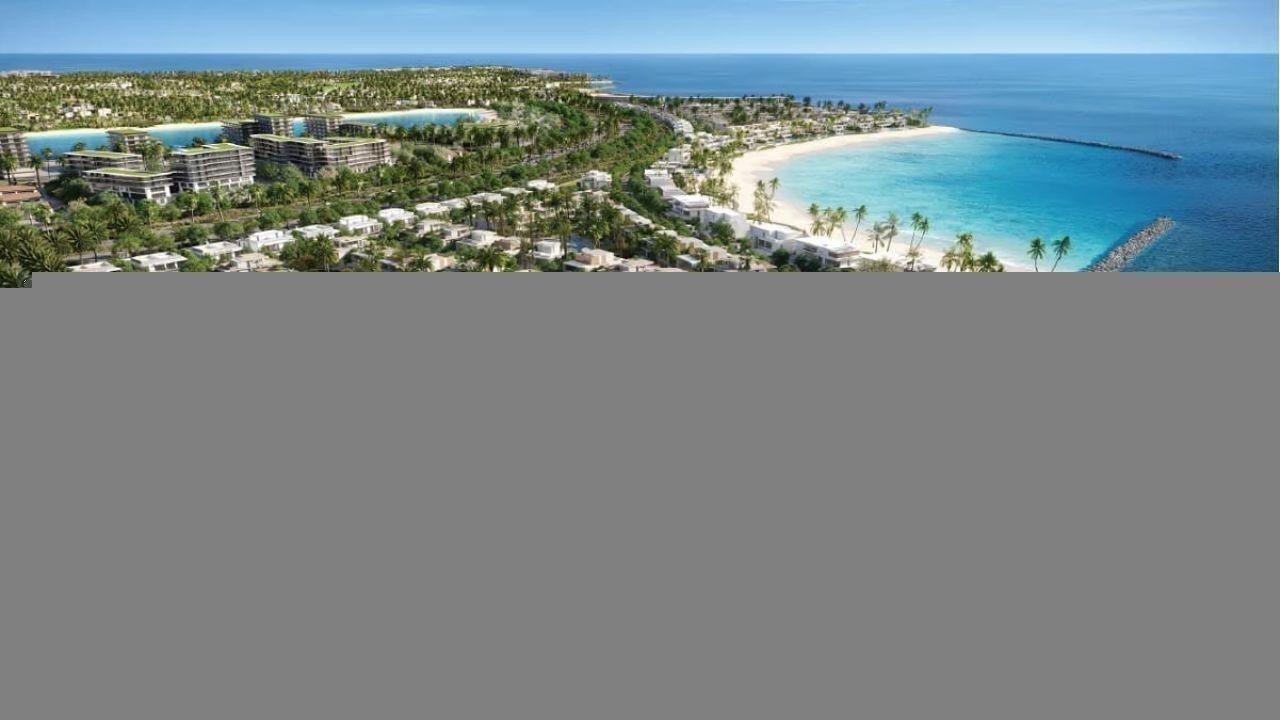
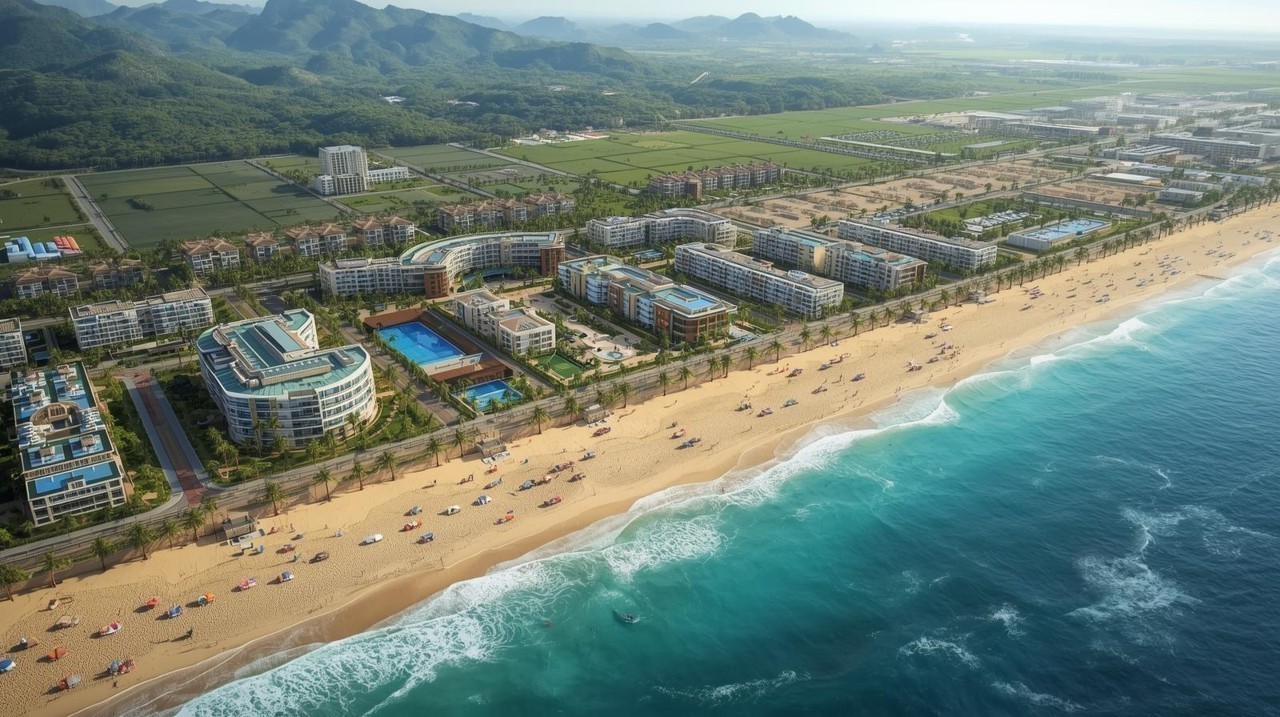
Mixed-use developments combining residential, retail, and entertainment components are becoming increasingly popular. Waterfront projects, offering scenic views and leisure amenities, continue to attract both residents and investors.
These projects create vibrant communities and add value for investors by combining lifestyle, convenience, and investment potential in one location.
Dubai Real Estate 2030 is set to redefine property investments through sustainable development, smart city solutions, and strategic growth in both residential and commercial segments. With rising demand for luxury and affordable housing, off-plan opportunities, and government-backed initiatives, investors have a wide range of options to capitalize on the market.
The next decade promises exciting opportunities for those who stay informed, invest strategically, and embrace emerging trends. Dubai’s real estate sector is not just about buildings—it’s about creating communities, lifestyles, and long-term value for investors.