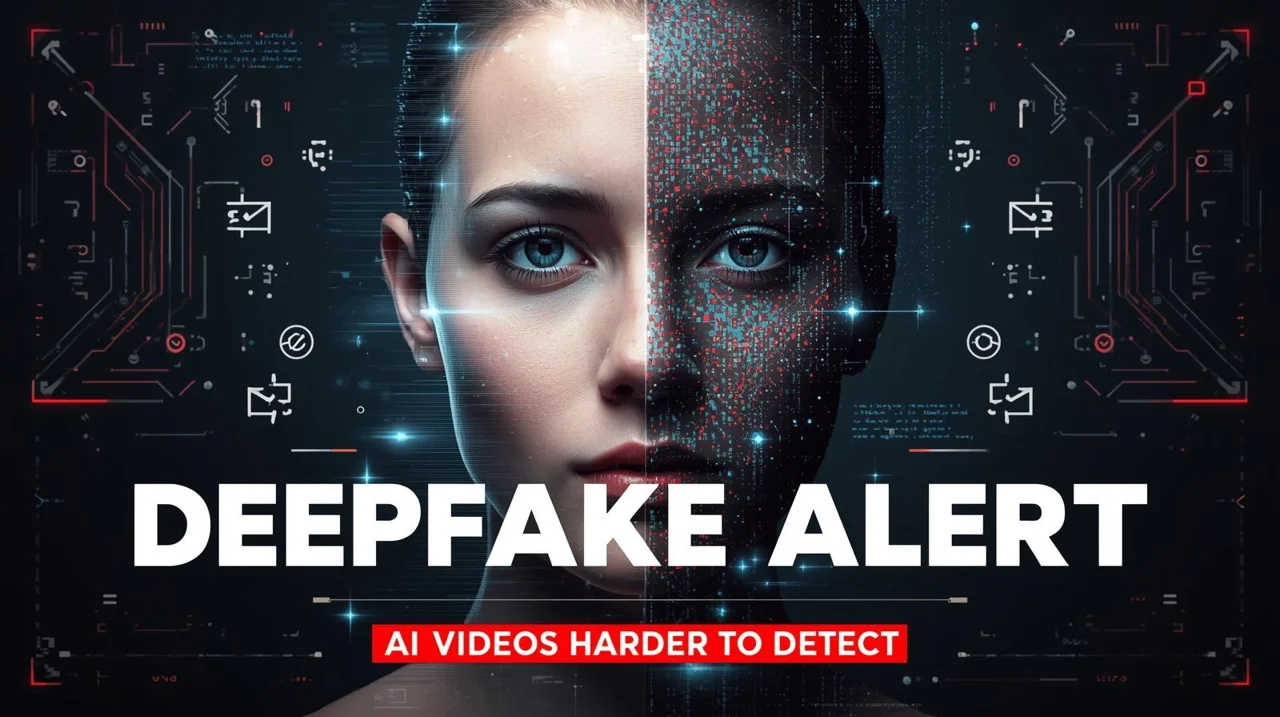
Deepfake Threat Rising in 2026: Why AI Videos Are Becoming Harder to Detect
In 2026, the rapid advancement of artificial intelligence has brought incredible innovation—but also serious risks. One of the biggest concerns today is the rise of deepfake technology, where AI-generated videos and audio can convincingly mimic real people.
From political figures to celebrities, deepfakes are becoming so realistic that distinguishing between real and fake content is increasingly difficult. This growing challenge is raising concerns about misinformation, fraud, and digital trust worldwide.
What Are Deepfakes and How Do They Work?
Deepfakes are AI-generated media created using advanced machine learning techniques such as Deep Learning.
- AI analyzes real images, videos, and voice samples
- It learns facial expressions, voice patterns, and movements
- Then it generates highly realistic fake content
These videos can make someone appear to say or do things they never actually did, making them powerful—and potentially dangerous—tools.
Why Deepfakes Are Getting Harder to Detect
Advanced AI Models
Modern AI systems can now generate near-perfect facial details, lighting, and voice synchronization, making deepfakes look extremely real.
Improved Voice Cloning
AI can replicate voices with high accuracy, making fake audio almost indistinguishable from real recordings.
Real-Time Deepfakes
Live deepfake technology is now possible, allowing real-time video manipulation during calls or broadcasts.
Wider Accessibility
Deepfake tools are becoming easier to use, meaning more people can create high-quality fake content without technical expertise.
Major Risks Associated with Deepfakes
Misinformation and Fake News
Deepfake videos can spread false information quickly, especially on platforms like YouTube and X (Twitter).
Political Manipulation
Fake speeches or videos of leaders can influence public opinion and elections.
Financial Fraud
Scammers are using deepfake voices and videos to impersonate executives and conduct fraud.
Reputation Damage
Individuals and celebrities can be targeted with fake content that harms their image.
Impact on Social Media and Digital Platforms
Social media platforms are at the center of the deepfake challenge.
- Rapid sharing increases the spread of fake content
- Algorithms may promote viral videos without verifying authenticity
- Platforms struggle to detect and remove deepfakes quickly
This creates a major issue for maintaining trust in digital content.
Challenges in Detecting Deepfakes
AI vs AI Battle
Detection tools are also using AI, but deepfake technology is evolving faster.
Human Limitations
Even experts sometimes struggle to identify highly realistic deepfakes.
Lack of Standard Tools
There is no universal system to verify whether a video is real or fake.
Speed of Content Spread
By the time a deepfake is identified, it may have already gone viral.
How Governments and Tech Companies Are Responding
Developing Detection Tools
Companies are investing in AI systems to detect manipulated content.
Regulations and Policies
Governments are introducing laws to control misuse of deepfake technology.
Content Labeling
Platforms are working on labeling AI-generated or suspicious content.
Public Awareness Campaigns
Educating users to verify content before sharing.
Impact on Businesses and Cybersecurity
Deepfakes are becoming a serious cybersecurity threat.
- Corporate fraud using fake executive voices
- Manipulated videos affecting brand reputation
- Increased need for digital verification systems
Companies are investing in security solutions and identity verification technologies to combat these risks.
How Individuals Can Stay Safe
Verify Before Trusting
Always cross-check information from multiple reliable sources.
Look for Unusual Signs
Small inconsistencies in facial expressions or voice may indicate manipulation.
Avoid Sharing Unverified Content
Prevent spreading misinformation by being cautious.
Stay Updated on Technology
Understanding how deepfakes work helps in identifying them.
Future Outlook: What Lies Ahead
- Deepfakes will become even more realistic
- Detection tools will improve but may lag behind
- Regulations will become stricter globally
- Digital identity verification will become essential
The battle between deepfake creation and detection will continue to evolve.
Final Thoughts
Deepfake technology represents both innovation and risk. While it has creative and entertainment uses, its misuse poses serious threats to trust, security, and information integrity.
As AI continues to advance, society must adapt by improving detection systems, strengthening regulations, and increasing awareness. The key challenge is not just technological—but also ethical.
Disclaimer
This article is for informational purposes only. Technology trends may evolve rapidly, and readers should stay updated with official guidelines and cybersecurity practices.