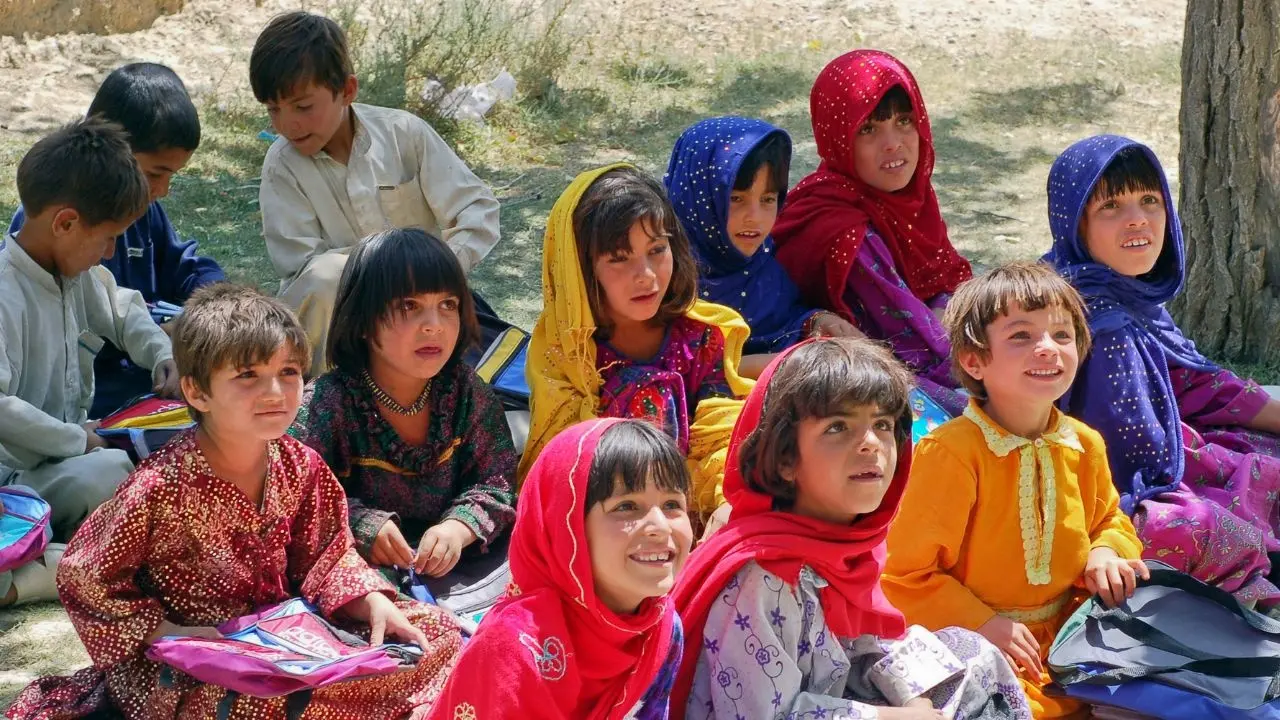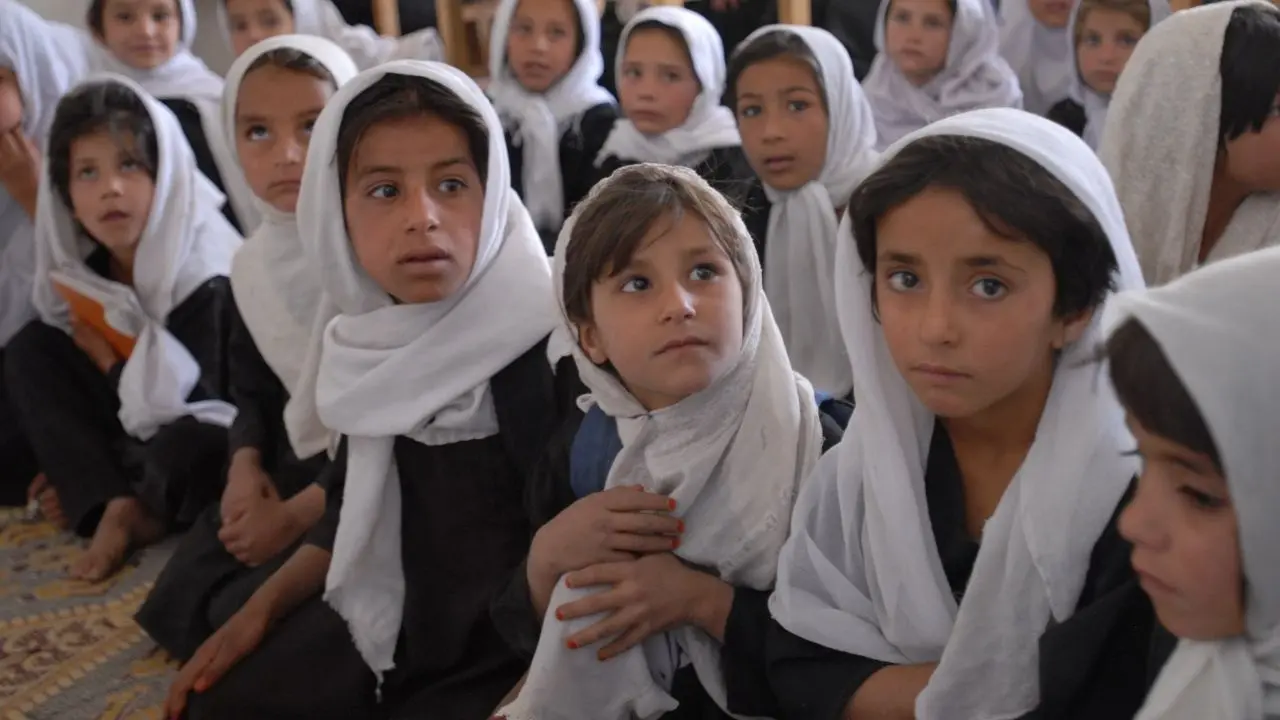
In Afghanistan, an increasing number of young women are confronted with forced marriages and dwindling educational prospects nearly five years after the Taliban halted girls' access to secondary education and universities. Many girls lament the collapse of their dreams to become doctors, pilots, and other professionals as stringent restrictions further isolate women from society.
Nineteen-year-old Alia traveled hundreds of miles to Kabul upon discovering her family's intention to arrange her marriage. Disguised in full traditional attire and without a male guardian, she embarked on a covert taxi journey with her cousin to escape the mounting pressures. Once in Kabul, she enrolled in a private English course, one of the last educational avenues available for Afghan females.
Alia shared that prior to the Taliban’s resurgence, her family fervently supported her education and aspirations of becoming a pilot. However, following the closure of educational institutions for girls, her family increasingly viewed marriage as her only viable future. She fears losing her limited freedoms if forced into a conservative household post-marriage.
Many women across Afghanistan express feelings of entrapment amid rigid societal expectations and governmental constraints. Another young woman, Shama, disclosed that she was compelled into marriage four years ago, following the Taliban's takeover which cut short her educational pursuits. While she has been treated well by her husband, the grief of losing both education and independence lingers in her everyday life.
Human rights organizations and the United Nations have frequently highlighted that the Taliban's restrictive measures are engendering one of the gravest gender crises worldwide. UN data suggests that should the education ban persist until 2030, more than two million Afghan girls will be deprived of educational opportunities beyond primary school. Experts warn that these long-term impacts will have severe repercussions for Afghanistan's economic and social landscape.
The Taliban regime has repeatedly provided fluctuating justifications for the ongoing closure of girls' schools, citing security issues and pending leadership decisions. Nonetheless, a concrete timeline for the reopening of secondary schools and universities for girls remains elusive. Many Afghan women have begun to express disbelief that education will resume under the current regime.
Restrictions on Afghan women extend well beyond education. They now endure rigid dress codes, travel limitations, decreased job prospects, and rising social isolation. Activists argue that these measures are driving families to arrange early marriages for daughters who cannot pursue education or work.
Despite significant challenges, numerous Afghan girls continue to resist the pressures to forsake their ambitions. Young women like Alia remain resolute in their desire to learn through whatever means available. Their narratives have emerged as potent symbols of resilience and bravery during one of the most severe crackdowns on women's rights in contemporary history.