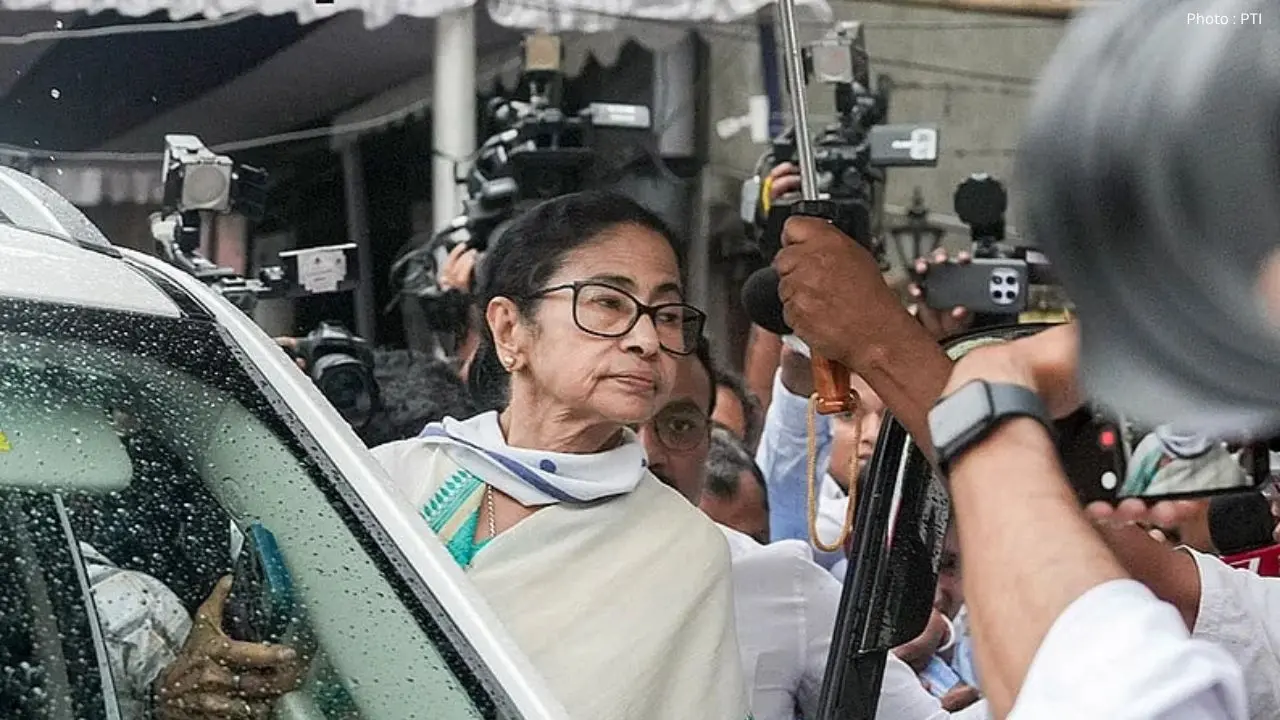
Mamata Banerjee's unexpected loss in Bhabanipur marks a pivotal moment in the 2026 West Bengal Assembly elections. This outcome transcends mere seat loss, indicating a significant evolution in voter behavior and political sentiments across the state.
Traditionally viewed as a stronghold for Banerjee, capturing Bhabanipur was once a foregone conclusion for her party. However, the current election results challenge that presumption, demonstrating that even the most formidable leaders face uncertain fates when they fail to meet voter expectations.
A prime factor contributing to this outcome is the mounting wave of anti-incumbency sentiment. After an extended period of leadership, Banerjee may now be facing calls for change as constituents grow increasingly concerned with governance, community development, and local issues.
The burgeoning influence of the Bharatiya Janata Party (BJP) in West Bengal also plays a crucial role in this narrative. The BJP's strategic campaigning, enhanced organizational tactics, and coherent messaging have enabled it to forge stronger connections with the electorate, intensifying competition for regional parties.
Moreover, modern voter priorities now lean toward employment opportunities, infrastructure enhancement, and improved public services. This signals a transition from traditional, emotionally-driven voting patterns toward more pragmatic, performance-oriented decision-making.
Urban centers like Kolkata are witnessing similar transformations. The younger and middle-class demographics are becoming increasingly engaged voters, demonstrating a readiness to support alternative candidates should they promise better outcomes.
The Bhabanipur results also underscore the significance of local dynamics. Even in the context of a substantial electoral battle, the performance of individual candidates and campaign strategies can greatly influence voter behaviors.
Furthermore, today's voters are embracing a more independent stance when casting ballots. Long-standing loyalty to a single party is diminishing, as many are willing to switch allegiances if leadership and progress do not align with their expectations.
In terms of SEO relevance, keywords such as Bhabanipur election results 2026, Mamata Banerjee's loss, and West Bengal voter trends are garnering significant attention, highlighting the public's interest in understanding this dramatic electoral shift.
This defeat serves as a compelling reminder of the ever-changing nature of elections. The political landscape can shift rapidly, compelling parties to adapt proactively to new realities. Effective governance, visionary leadership, and consistent performance have become pivotal.
Nevertheless, Mamata Banerjee remains a key political player with a stable foundation in the state. This defeat could catalyze a reevaluation of strategies, emphasizing renewed attentiveness to voter needs.
West Bengal's political arena is entering a transformative phase, characterized by growing competition and heightened voter expectations. Political entities must now exert greater effort to cultivate trust and deliver tangible results.
The Bhabanipur election outcome clearly reveals that voters are open to change and willing to voice their preferences through their electoral choices.