Education Platforms Expand Course Offerings for Job Skills
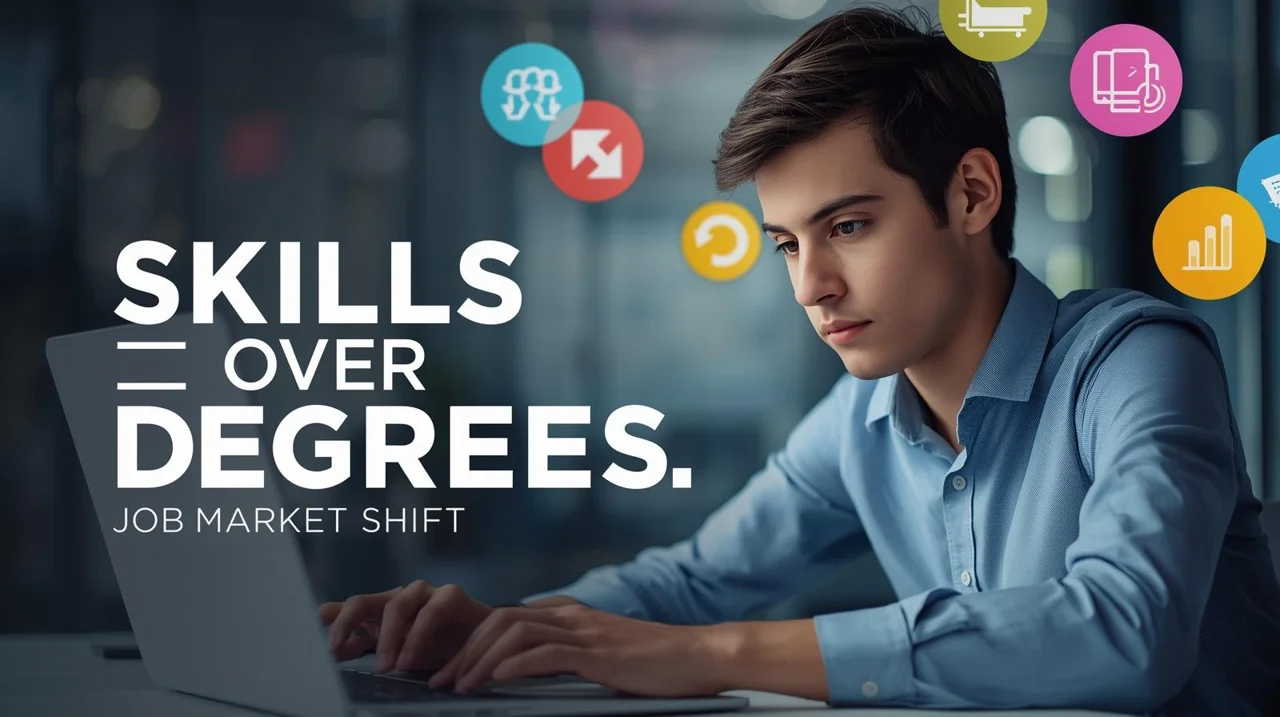
Education platforms are rapidly expanding their course offerings, with a strong focus on job-ready skills. This shift reflects a growing demand from learners who want practical knowledge that can directly help them secure employment or advance their careers.
Traditional learning methods are no longer enough in a fast-changing job market. People are now looking for flexible, affordable, and skill-focused education that delivers real results.
The key question is:
Why are education platforms focusing more on job skills, and how is this benefiting learners?
Why Education Platforms Are Expanding Skill-Based Courses
The rise in skill-focused courses is driven by changes in both the job market and learner expectations.
Employers today are looking for candidates who can perform tasks from day one, rather than those who only have theoretical knowledge. This has created demand for courses that teach practical, industry-relevant skills.
At the same time, learners are becoming more career-focused. Instead of spending years on traditional education, many prefer shorter courses that provide immediate value.
Technology has also made it easier for platforms to create and deliver specialized courses across multiple fields, making skill-based education more accessible.
What Types of Job Skills Are Being Offered
Education platforms are covering a wide range of skills that align with current industry needs.
Digital skills such as content creation, social media management, and online marketing are highly popular.
Technical skills like coding, data analysis, and cybersecurity are also in strong demand due to growing digital transformation.
Business-related skills including communication, leadership, and sales are being offered to help professionals grow in their careers.
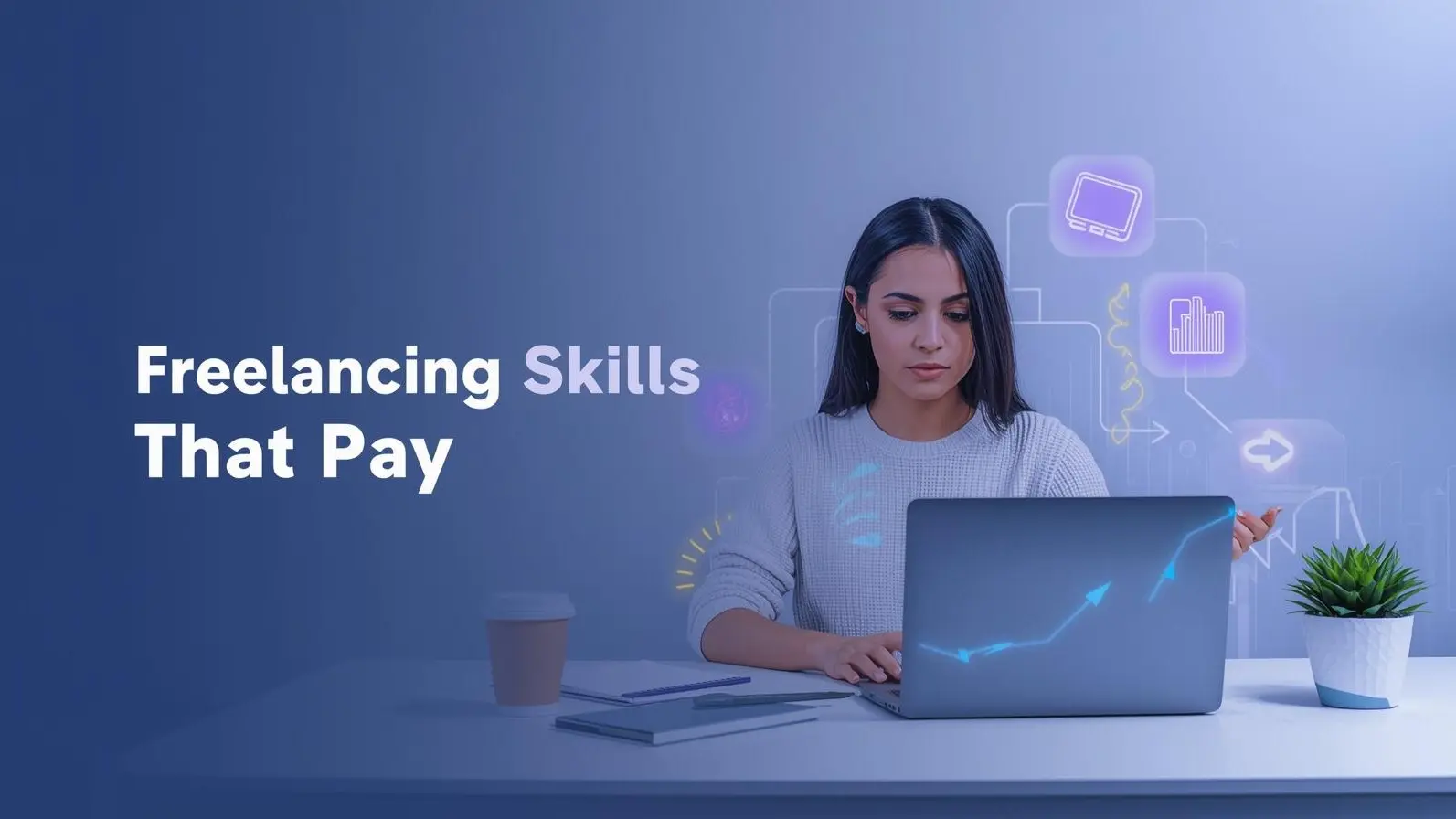
Creative skills such as design, video editing, and branding are gaining attention as more people explore freelance and digital opportunities.
How This Shift Is Changing Learning Patterns
The expansion of job-focused courses is transforming how people learn.
Learning is becoming more flexible and self-paced, allowing individuals to study according to their schedules.
There is a strong move toward short-term courses and certifications, which can be completed quickly and added to resumes.
Practical learning methods, such as projects and real-world assignments, are replacing traditional theory-based approaches.
This makes education more engaging and directly connected to career growth.
Benefits for Learners and Job Seekers
The growth of skill-based education offers several advantages.
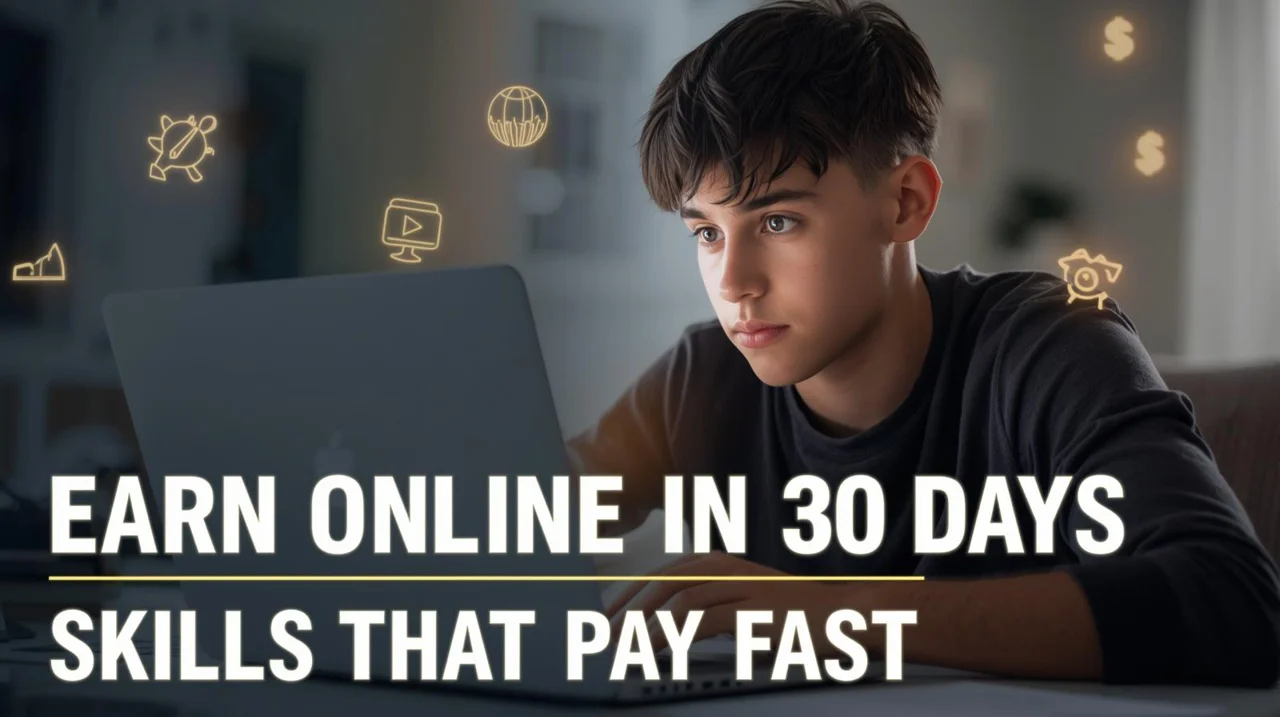
Learners can gain relevant skills in a shorter time, helping them enter the job market faster.
Courses are often more affordable compared to traditional education, making them accessible to a wider audience.
Flexibility allows people to learn while working or managing other responsibilities.
These courses also help individuals stay updated with industry trends, improving their chances of career growth.
Challenges to Consider
While the opportunities are strong, there are some challenges as well.
With so many courses available, choosing the right one can be confusing.
Not all courses provide the same quality or value, so careful selection is important.
Self-discipline is required, as online learning depends heavily on personal motivation.
Some employers may still prefer traditional qualifications for certain roles.
What This Means for the Future of Education
The expansion of job-focused courses indicates a long-term shift in education.
Skill-based learning is likely to become a major part of career development.
Traditional education systems may also adapt by including more practical and industry-relevant content.
Continuous learning will become essential, as skills need to be updated regularly in a changing job market.
Conclusion
The growth of education platforms offering job-ready skills is reshaping how people prepare for their careers.
This shift is making learning more practical, accessible, and aligned with real-world demands.
The key takeaway is simple:
Focus on learning skills that create real opportunities, not just qualifications.
Disclaimer
This article is for informational purposes only. Course quality and outcomes may vary depending on the platform and individual effort. Learners should choose programs based on their career goals.