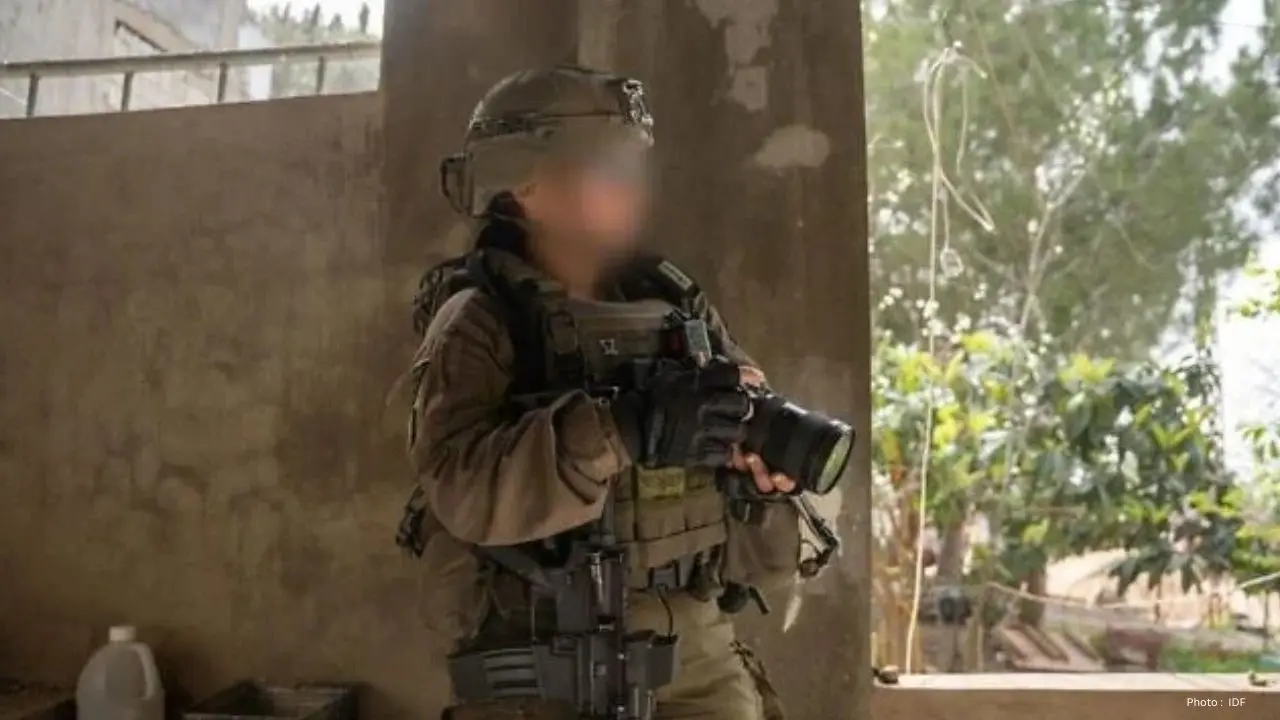
The Israel Defense Forces (IDF) has confirmed that a soldier critically injured in a drone strike near the Lebanon border is a combat photographer. This incident is intensifying concerns about escalating security tensions along Israel's northern boundary.
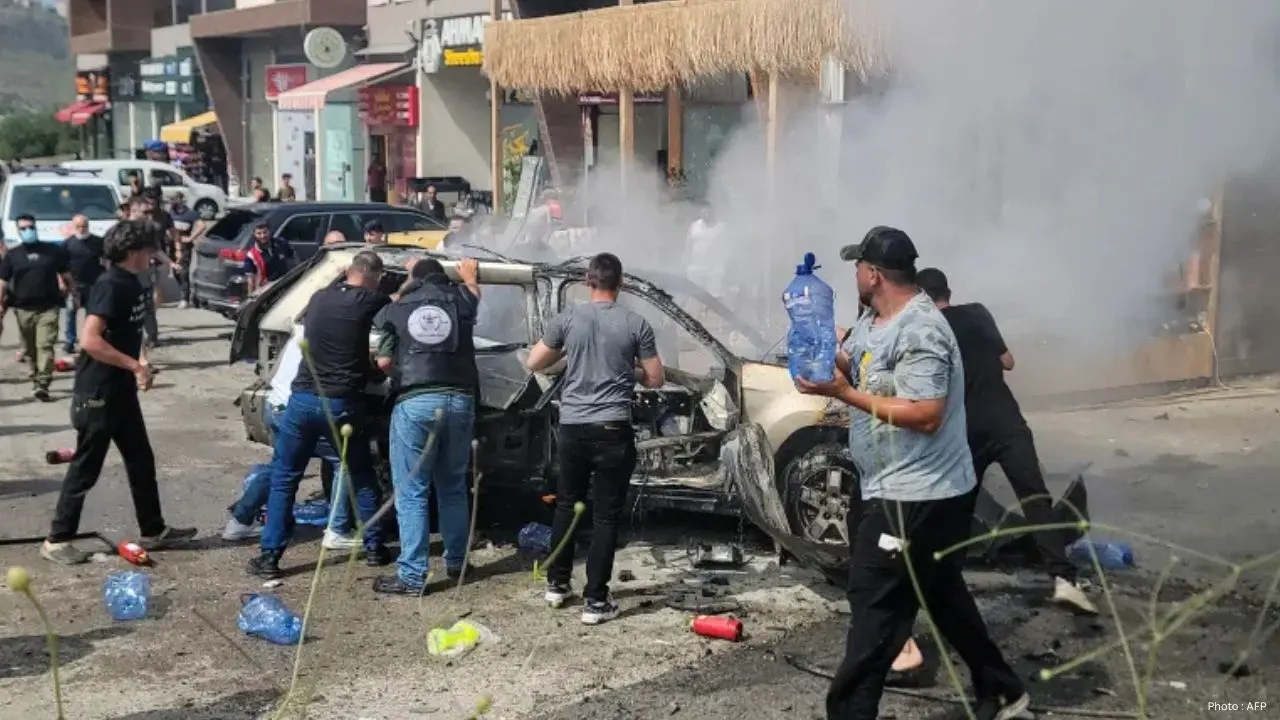
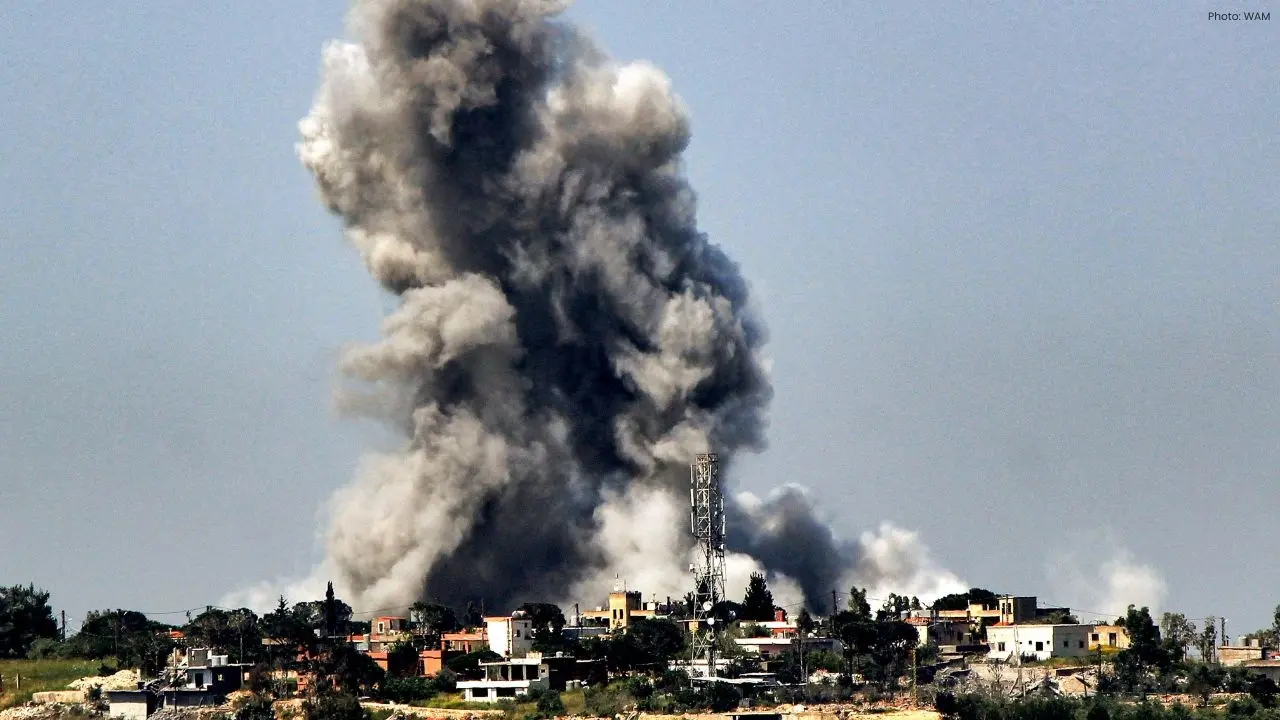
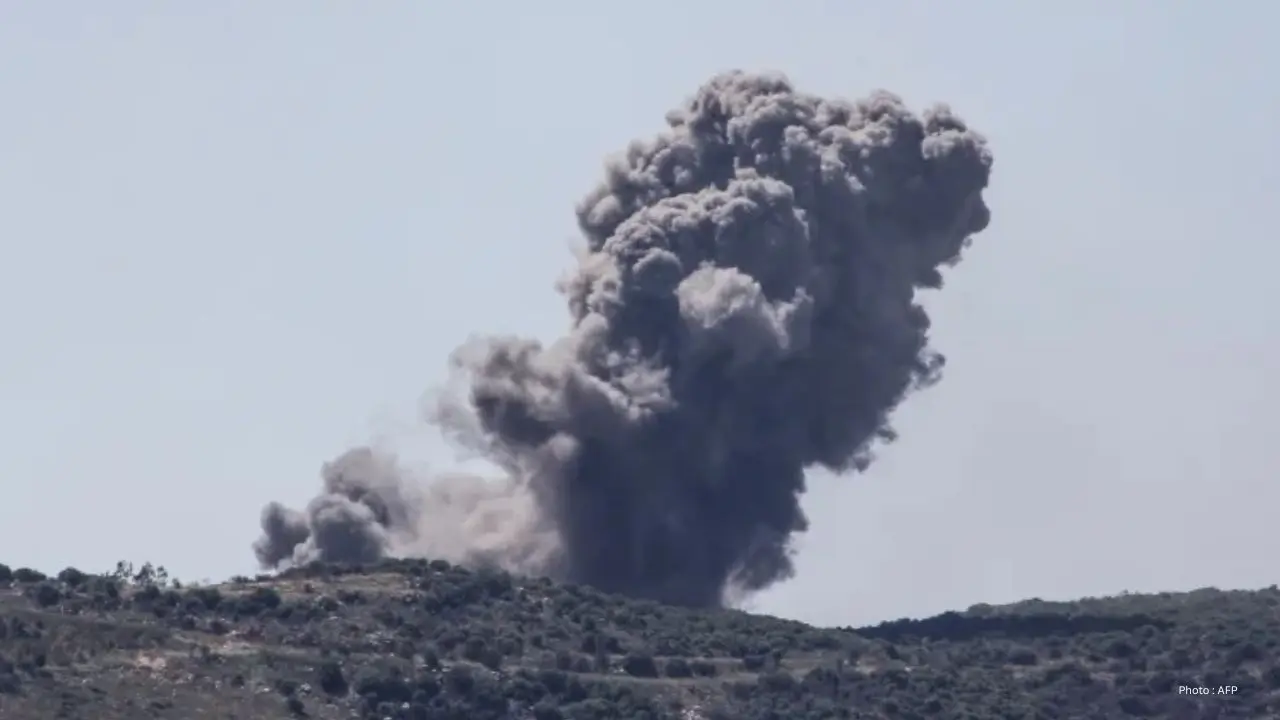
Military reports indicate that the soldier suffered injuries during an aerial assault originating from Lebanese soil. The attack reportedly targeted IDF positions in a region marked by increasing volatility, including frequent exchanges of fire and drone operations in recent months.
At the time of the strike, the soldier was engaged in a combat documentation role, which involves accompanying military units to capture key moments and create visual records that aid official communications.
The drone strike has swiftly become a topic of significant concern, given the uptick in cross-border assaults employing unmanned aerial vehicles amidst ongoing regional conflicts.
Israeli officials reported that medical personnel attended to the injured soldier before he was taken to a hospital for further treatment, though specifics about his condition were not immediately made public.
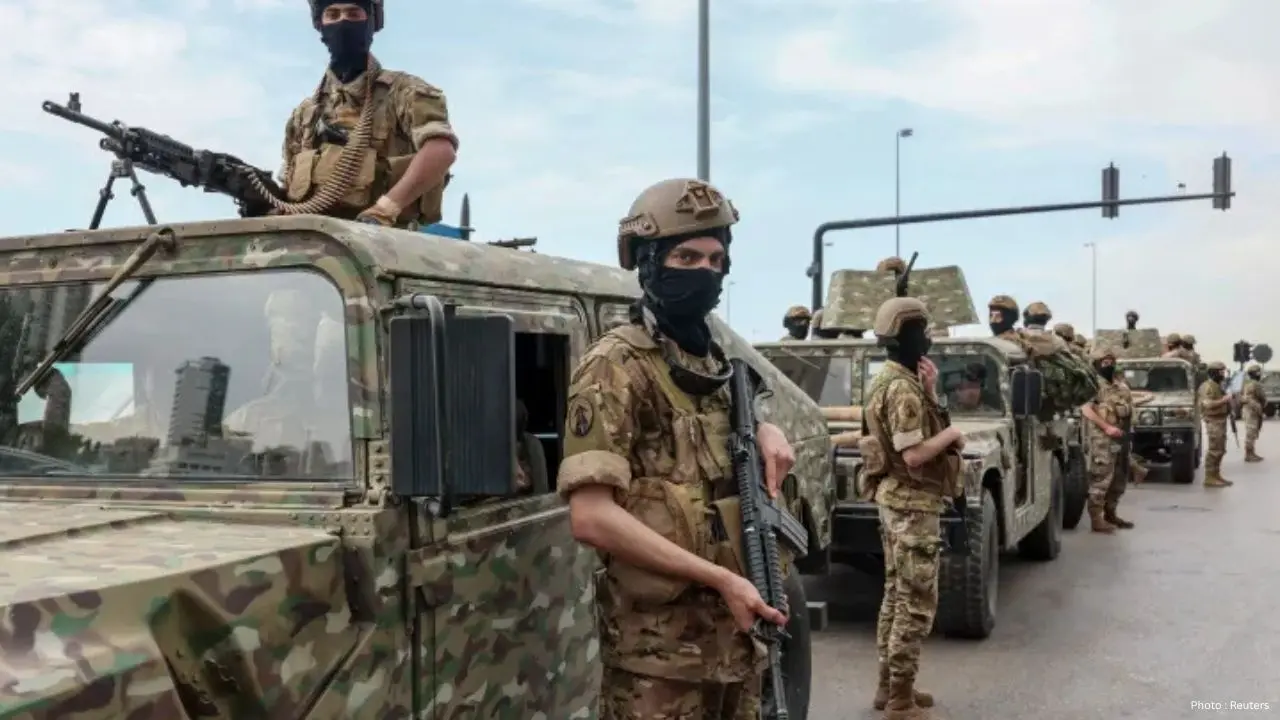
The border between Israel and Lebanon has faced escalating tensions for months, with ongoing exchanges involving rockets, military drones, artillery fire, and ground operations. Security analysts caution that this rising tension could heighten the risk of broader regional conflict.
Experts highlight the increasing role of drones in contemporary warfare, acknowledging their ability to conduct reconnaissance and execute precise strikes without endangering pilots.
The term “Lebanon drone strike” has gained traction following the emergence of reports regarding the wounded combat photographer, prompting a surge of discussions about border security and regional stability within political and defense sectors.
This event underscores the dangers faced by non-combat personnel such as military photographers operating near conflict areas, who frequently accompany frontline units on perilous missions.
Defense analysts argue that drone warfare has drastically shifted security dynamics in the Middle East, as both armed actors and military forces increasingly employ unmanned systems to conduct operations that are stealthy and rapid.
Heightened regional tensions continue as the Gaza conflict spills into multiple territories involving various armed groups. Incidents along the northern border consistently fuel fears of greater escalation.
Security authorities are closely monitoring the evolving situation, given the unpredictability of border exchanges. Governments and international entities have repeatedly urged restraint to avert further violence.
This incident also illustrates the escalating significance of aerial intelligence gathering and surveillance in military efforts, where combat photographers and documentation teams have become integral to reporting and communication in contemporary conflict.
Political commentators note that drone-related attacks can exert considerable psychological pressure, as they can strike with little warning and impose ongoing security challenges along sensitive borders.
The Lebanon border area stands as a focal point of concern within the broader regional security landscape, where military activity, drone usage, and cross-border confrontations heavily influence diplomatic discussions and strategic planning.