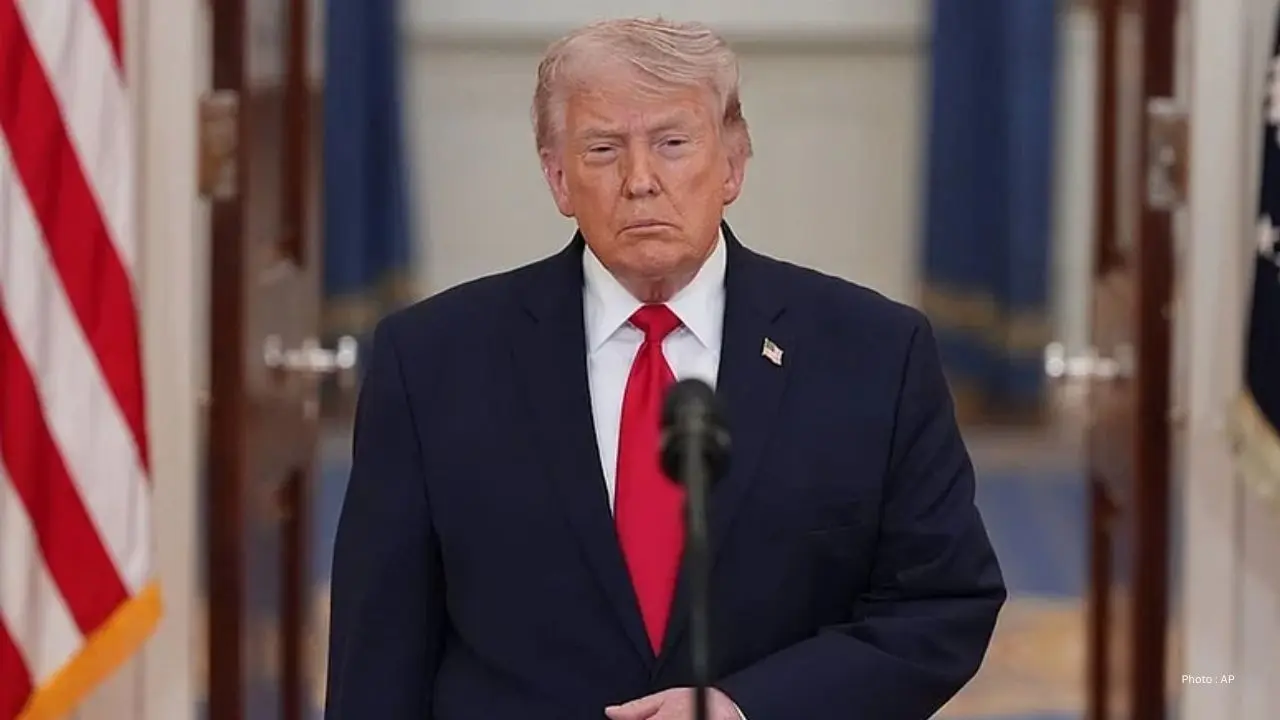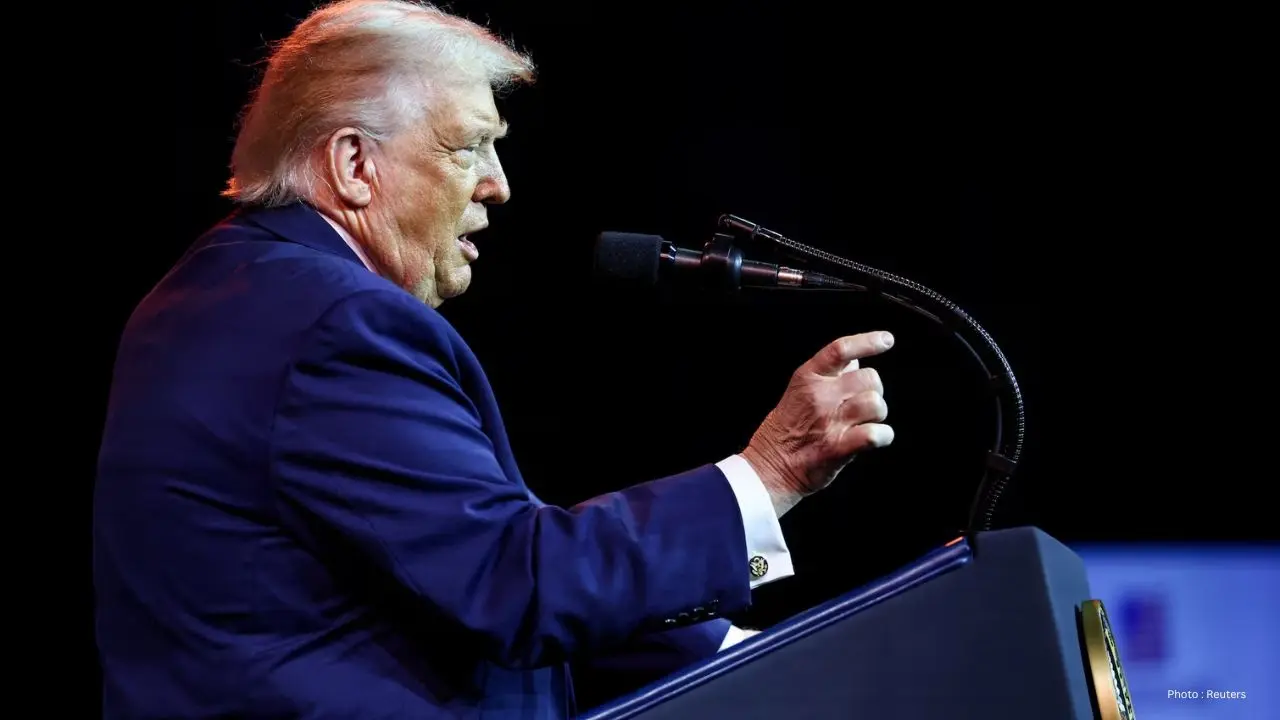
Rising tensions mark the Middle East as Donald Trump imposes a stringent deadline on Iran, leading to Tehran's firm rejection of a ceasefire proposal in favor of a total cessation of hostilities. This development has sparked widespread global apprehension regarding a potential escalation in conflict, particularly with critical oil shipping routes and regional stability at stake.
Iran has emphatically stated it won't accept a provisional ceasefire. Officials insist on a lasting peace that guarantees protection from further aggression. A senior diplomat asserted that a complete termination of the war is essential, denying the appeal of temporary or partial agreements.
The ceasefire offer supposedly encompassed a 45-day halt in hostilities and steps to revive operations in the Strait of Hormuz, a key global oil route. Yet, Iran contends that reopening this strait hinges on comprehensive security assurances and reparation for war-inflicted damages. The disruption in this vital channel has already led to increased oil prices and market instability worldwide.
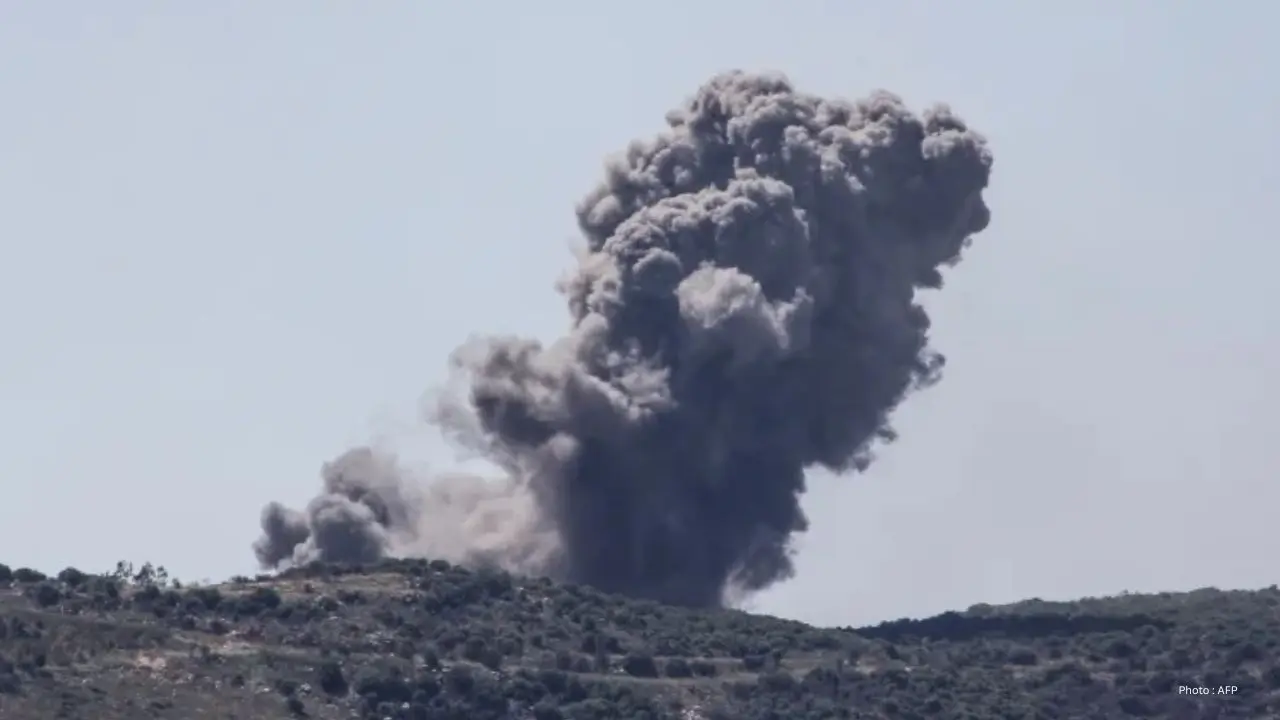
Simultaneously, military confrontations are intensifying. Reports of airstrikes and assaults across various Iranian regions, including crucial energy installations, have surfaced. A significant attack targeted the South Pars gas field, a vital energy resource for Iran. In retaliation, Iranian forces have escalated missile and drone strikes aimed at regional allies, including Israel and Gulf nations.
Israel has countered by ramping up its military initiatives, striking at significant Iranian locations and high-ranking officials. Recent reports confirm the deaths of senior members of Iran's Revolutionary Guard. In Tehran, noise from defensive operations and explosions has led residents to describe a pervasive atmosphere of conflict.
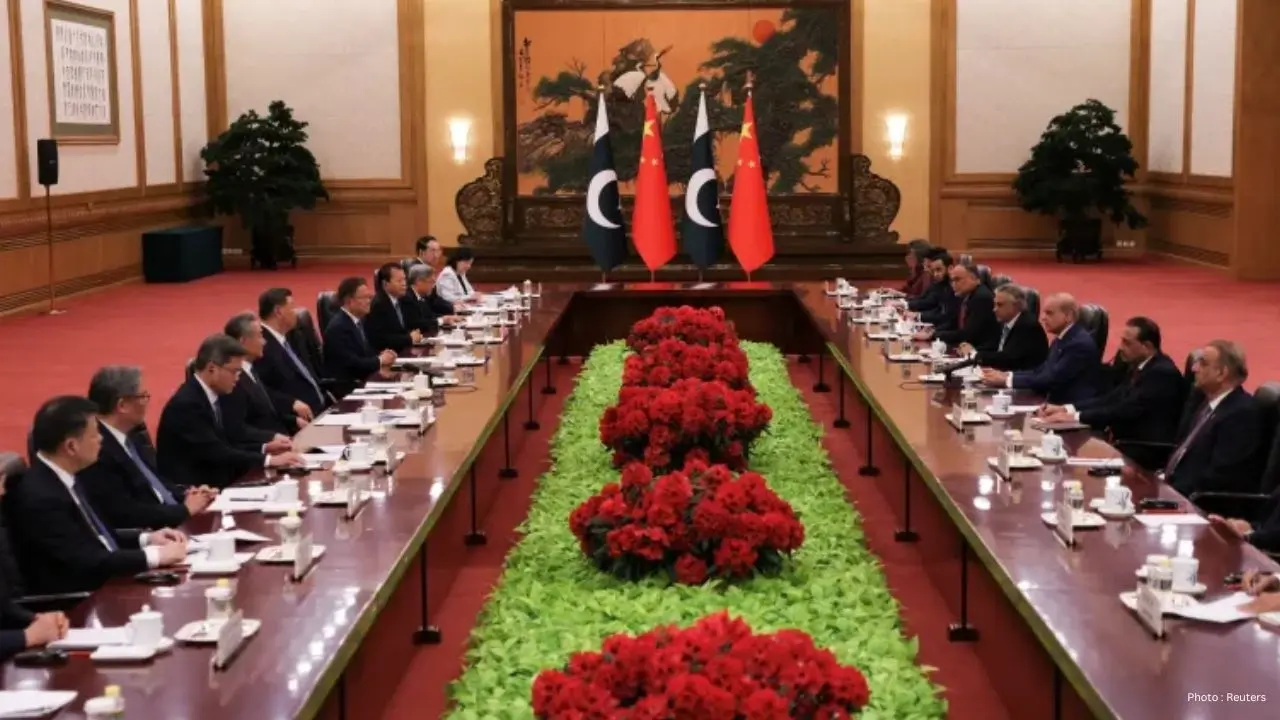
Diplomatic dialogues continue, with nations like Pakistan, Oman, and Egypt serving as intermediaries in hopes of reconciling differences. However, Iranian representatives emphasize that productive discussions cannot occur under compulsion, threats, or imposed timelines.
As the Trump-imposed deadline nears, the potential for heightened tension escalates. Analysts warn that a failure to reach an agreement could trigger attacks on essential infrastructure like bridges and power stations, leading to widespread regional disputes and significant economic consequences on a global scale.