Following the identification of a Jakarta resident who had close ties with a confirmed hantavirus case from the cruise ship MV Hondius, Indonesia has stepped up its health surveillance efforts. The government is tightening monitoring protocols at airports and seaports to mitigate the potential spread of the virus into the nation.
The Indonesian Health Ministry has announced enhanced screening measures for international arrivals via air and sea. Officials emphasized the critical nature of surveillance as the zoonotic virus continues to raise alarms globally, especially in light of international cases linked to cruise ship voyages.
During a recent livestreamed briefing, Acting Director General for Disease Control Andi Saguni highlighted that travelers entering Indonesia will now undergo checks involving thermal scanners, visual inspections, and health declarations via the All Indonesia app. Authorities believe that early detection will play a crucial role in preventing imported infections.
Stringent checks are also being implemented at airports for flights from nations with reported hantavirus cases such as the United States, Argentina, Uruguay, and Panama. Additional countries may be added to the monitoring list as new outbreaks arise.
Naning Nugrahini, head of the Health Quarantine Center at Soekarno-Hatta International Airport, expressed that vigilance is imperative due to increased global travel risks. Health officials are monitoring passengers for symptoms and gathering health information from travelers coming from high-risk areas.
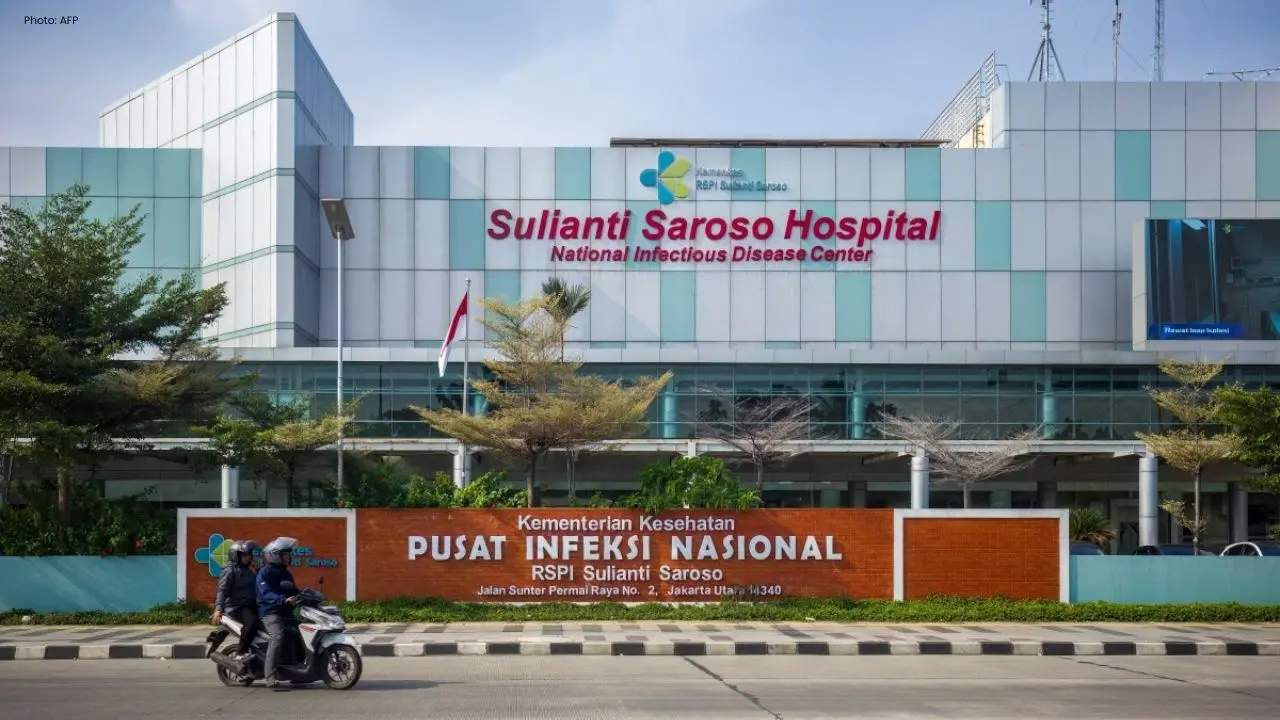
It was confirmed by the government that a British citizen quarantined at Jakarta’s Sulianti Saroso Infectious Diseases Hospital due to possible exposure was ultimately declared free of the virus. Nonetheless, officials reiterated the importance of ongoing precautionary measures due to the serious health risks associated with hantavirus in multiple countries.
Hantavirus transmission primarily occurs through contact with infected rodents or their droppings. Symptoms may include fever, muscle pain, respiratory issues, and severe cases can lead to serious illness. Indonesian health authorities are advising the public to stay calm while adhering to hygiene and health safety practices. Continuous enhancement of surveillance and rapid response strategies will be prioritized to ensure public safety and secure international travel across Indonesia.