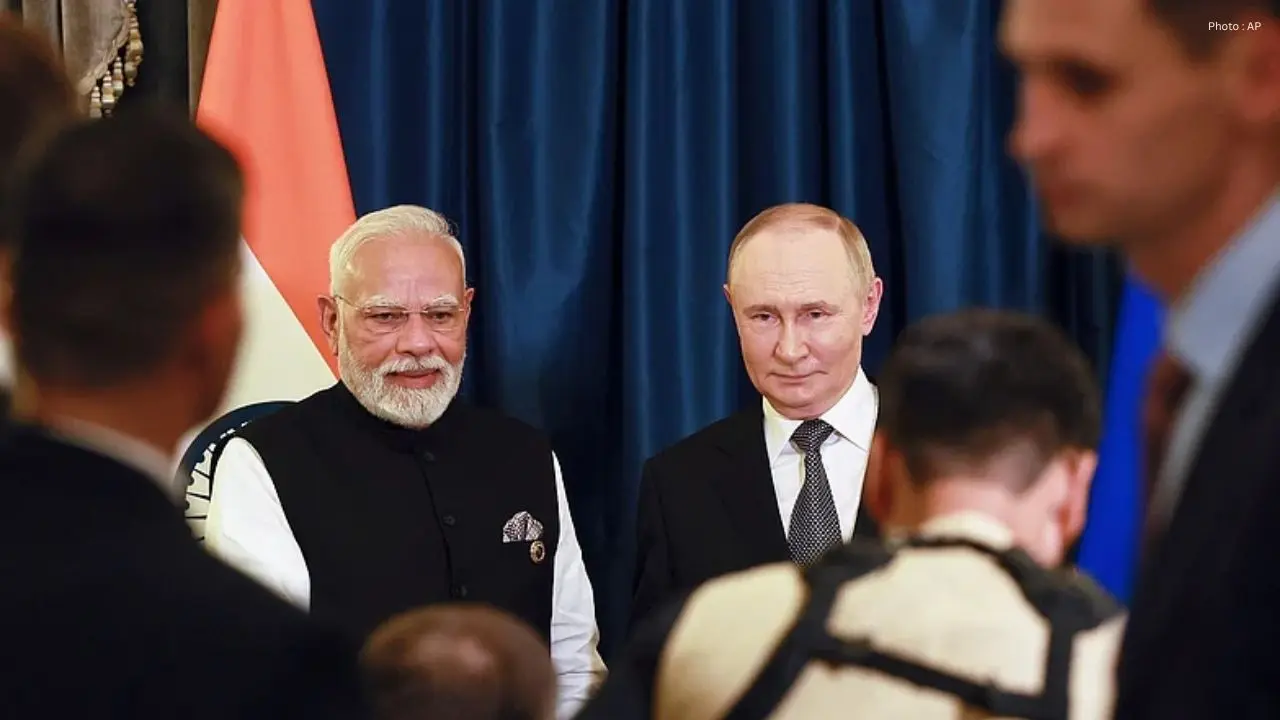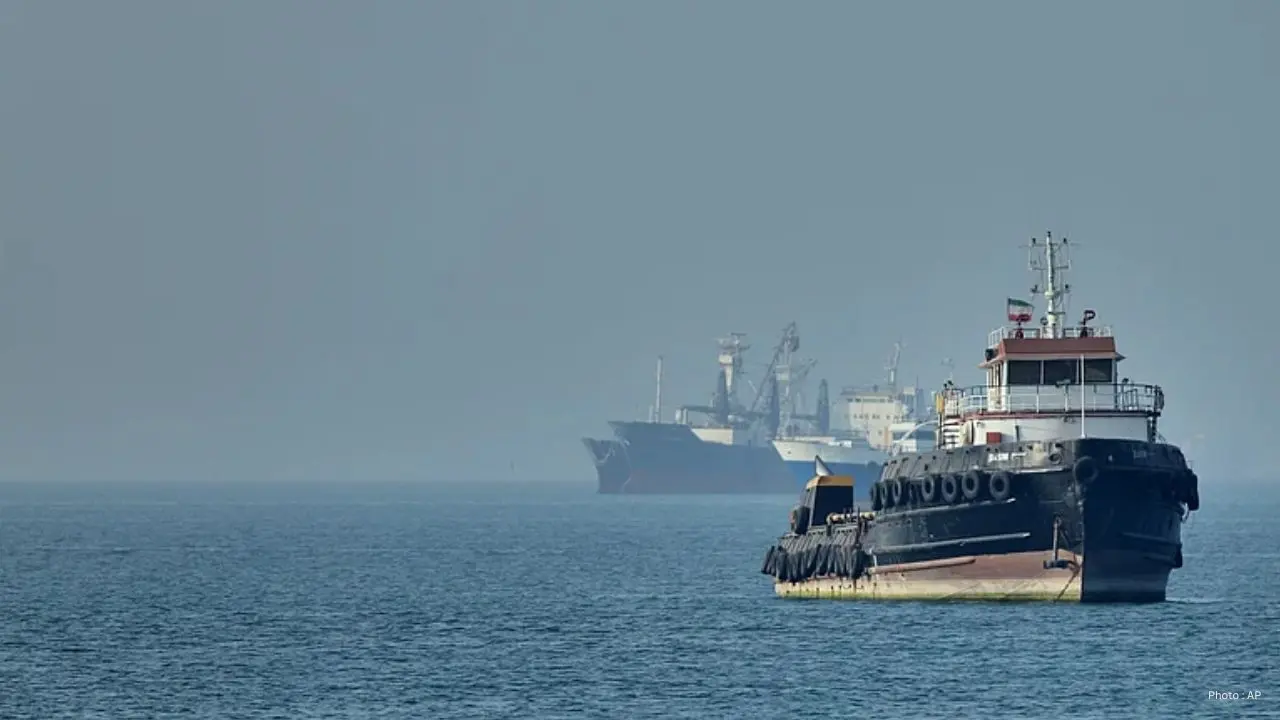
During a recent United Nations discussion, India took a firm stance against the attacks on commercial vessels in the Strait of Hormuz, branding them as “unacceptable” and a critical danger to not just maritime safety but global trade as well. Indian officials highlighted that ensuring the security of international shipping lanes is vital for both economic health and energy distribution worldwide.
With increasing tensions in the strategic Strait of Hormuz, recognized as one of the busiest oil shipment passages worldwide, Indian representatives voiced their anxiety over security threats. They asserted that the freedom of navigation and the safeguarding of commercial ships must comply with international law.
The Strait of Hormuz plays a pivotal role in international trade, linking Middle Eastern oil-producing nations to global markets. Given the substantial volume of crude oil that traverses this narrow passage daily, any disruption could influence global oil markets, supply chains, and trade dynamics.
Additionally, India highlighted that assaults on commercial ships not only jeopardize regional stability but also contribute to uncertainty in the global economy. Officials warned that such incidents might raise shipping costs, insurance premiums, and energy prices for numerous countries, particularly those reliant on imported fuels.
Advocating for moderation, dialogue, and peaceful methods to alleviate tensions, Indian representatives reiterated the necessity of upholding international maritime laws and avoiding unsettling actions in the Gulf region.
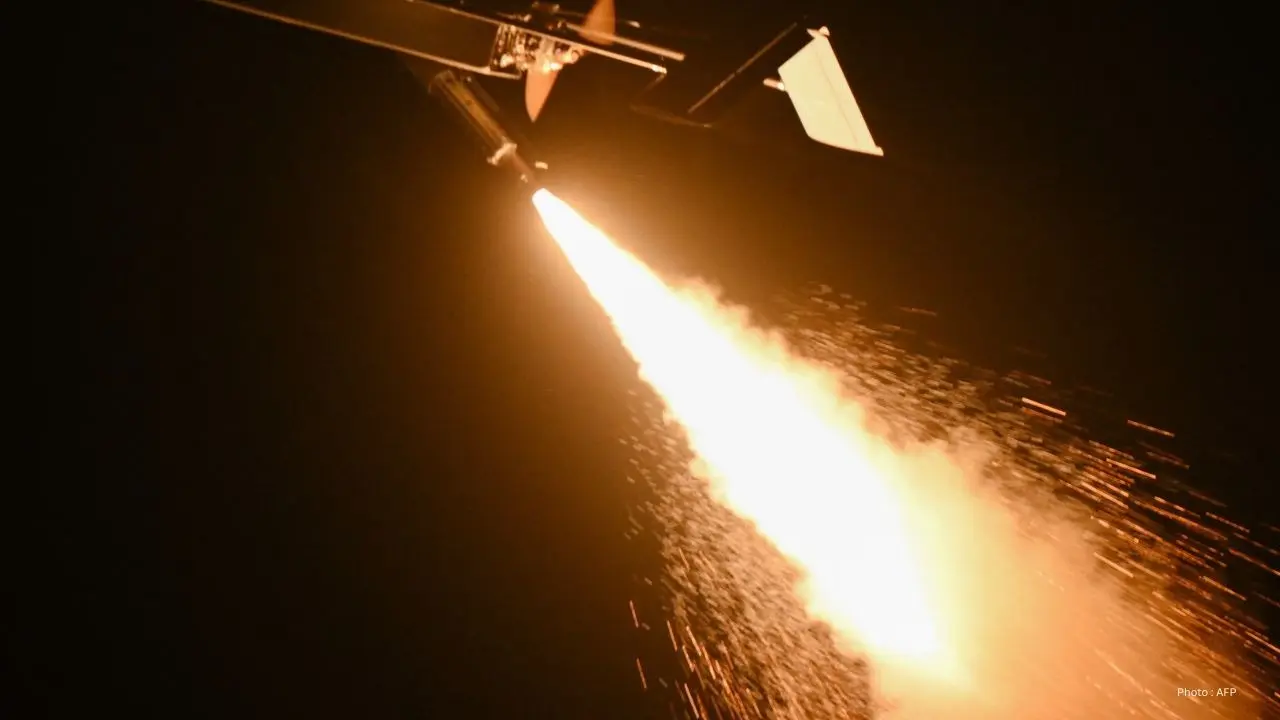
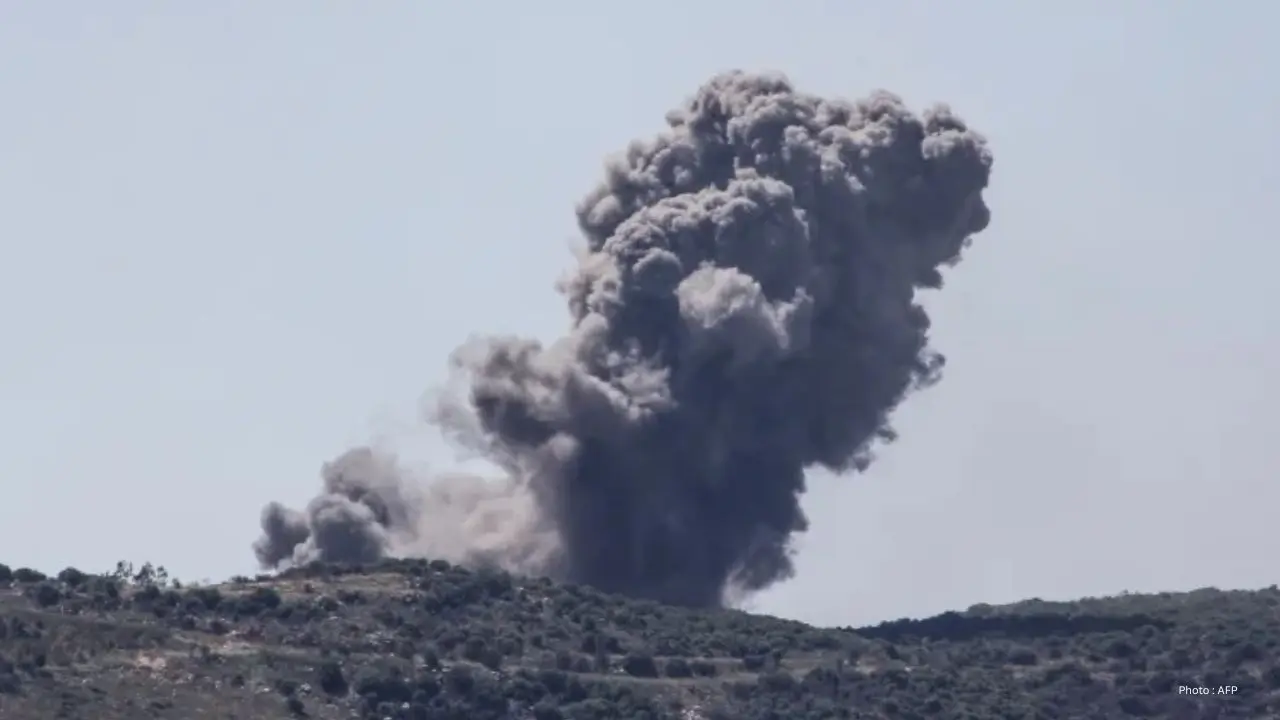
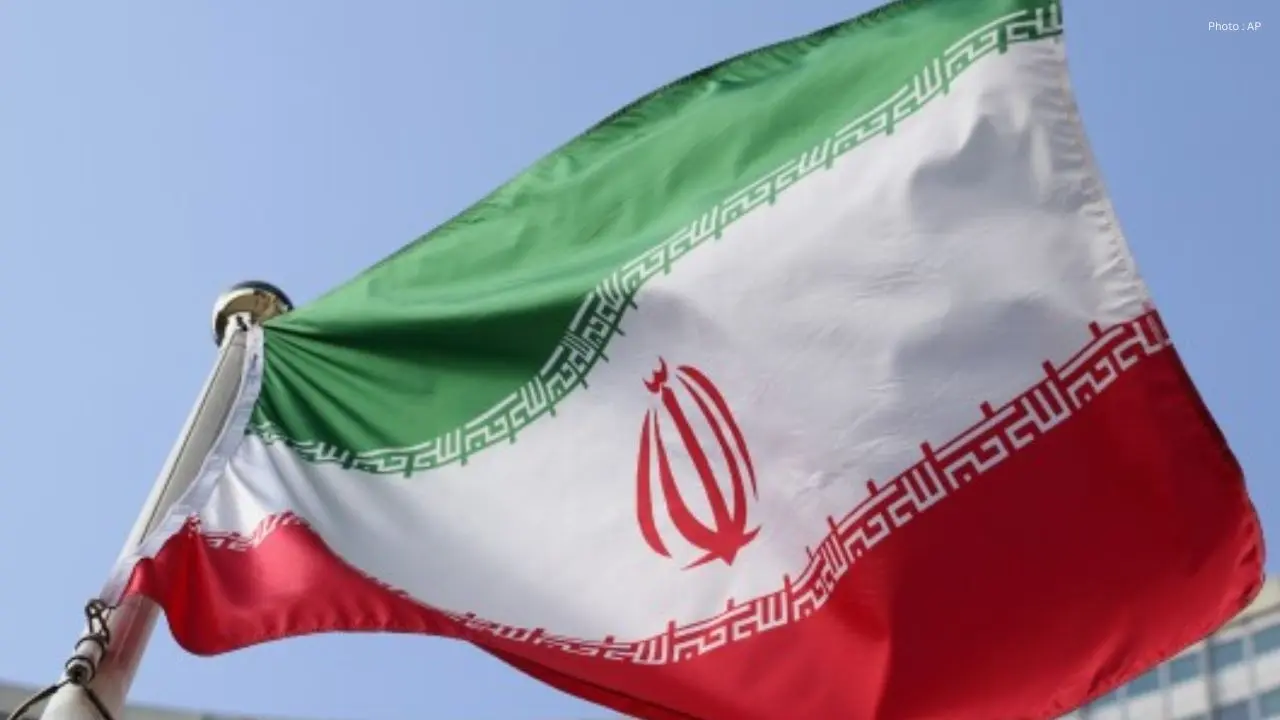
This statement emerges amid heightened geopolitical strains with several Middle Eastern nations. The security of commercial vessels has been under threat, as numerous ships and oil tankers passing through the strait have encountered drone assaults, seizures, and other dangerous situations.
India’s strategic interests in the Gulf are significant, with a large proportion of its oil imports relying on safe passage through the Strait of Hormuz. Therefore, maintaining security in shipping lanes is a top priority for New Delhi.
Experts suggest that India’s remarks reflect growing apprehensions regarding maritime security and the safeguarding of critical trade routes. Analysts anticipate that nations relying on Middle Eastern energy will continue advocating for enhanced international collaboration to ensure the security of maritime commerce in the region.
In this atmosphere of heightened scrutiny, global powers and the United Nations are expected to pursue sustained dialogue concerning maritime safety and overarching regional security.