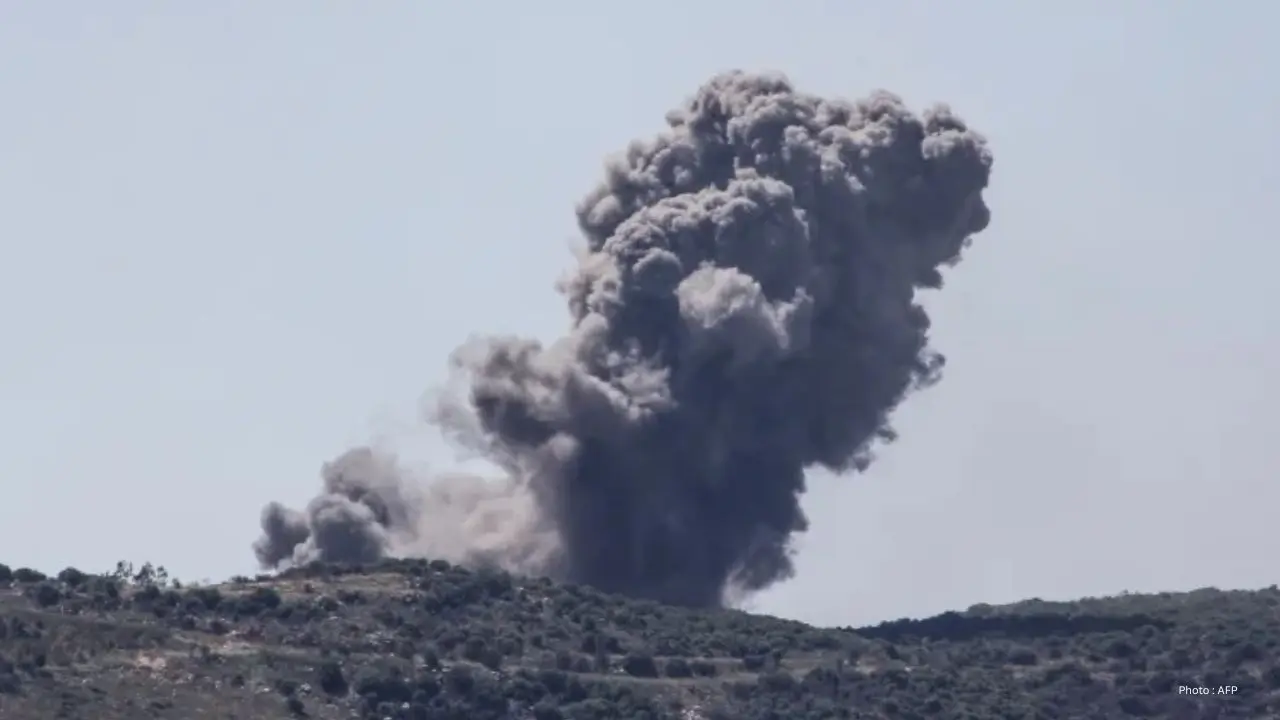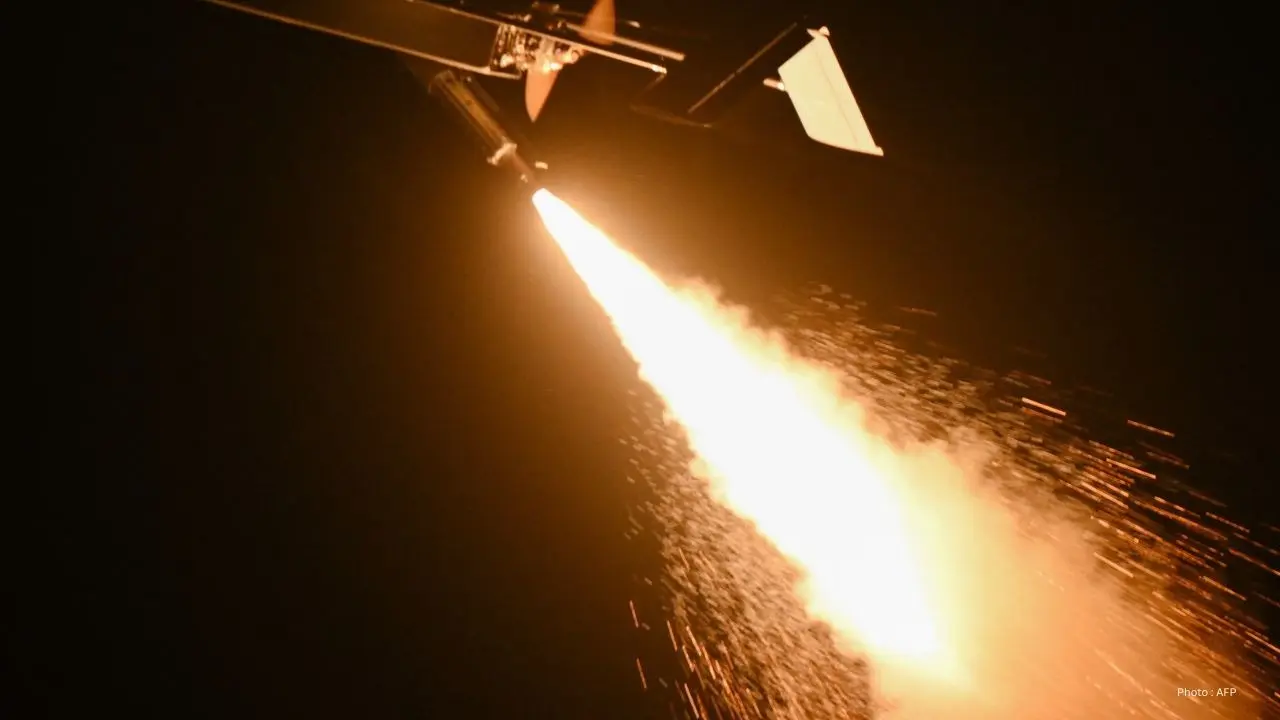
Recent drone strikes in the Moscow region have underscored the escalating significance of unmanned aerial warfare in the ongoing conflict between Russia and Ukraine. Russian officials reported several drone assaults near Moscow, activating air defense systems to deter the incoming aerial threats.
Authorities indicated that multiple drones were either shot down or intercepted before inflicting substantial damage, although certain areas experienced temporary disruptions and security alerts. Airports in the surrounding region faced brief flight restrictions as officials responded to these incidents.
These attacks highlight the increasing reliance on drone warfare as a tactical approach in the conflict. Both nations have leveraged drones for surveillance, intelligence gathering, and precision strikes on military and infrastructure bases.
Security experts note that drones' capacity for long-distance travel and evasion of conventional defenses has transformed modern combat strategies. Smaller unmanned aircraft can now accurately target fuel depots, military installations, communication centers, and transport networks far beyond active combat zones.
Russian authorities have attributed these drone assaults to Ukraine, though Kyiv typically refrains from publicly claiming responsibility for operations conducted within Russian borders. The Ukrainian government previously suggested that military-related targets are valid objectives in light of the ongoing conflict.
The increasing frequency of drone strikes near Moscow has placed immense pressure on Russian air defense systems and raised domestic security apprehensions within the country. In response, authorities have intensified surveillance around critical government structures, transportation hubs, and strategic assets following previous attacks.
Military analysts assert that drone warfare presents various advantages, such as lower operational costs, diminished risk to pilots, and the capacity for swift precision strikes. However, there are concerns that a growing reliance on drones heightens the risk of escalation and presents new challenges to civilian safety.
The Russia-Ukraine conflict stands as one of the most significant instances of extensive drone warfare in modern history, with both sides employing domestically manufactured drones alongside imported technologies for reconnaissance and attack purposes throughout the conflict.
International observers remain vigilantly focused on the conflict as military operations intensify. Analysts caution that ongoing strikes deep within Russian territory could exacerbate tensions and potentially alter future military strategies for both parties involved.
Since the escalation of the war in 2022, the Ukraine conflict has led to enormous destruction, displacement, and economic turmoil. Drone strikes like those witnessed near Moscow illustrate the swift evolution of military technology, reshaping battlefield tactics and impacting national security considerations in today's conflicts.