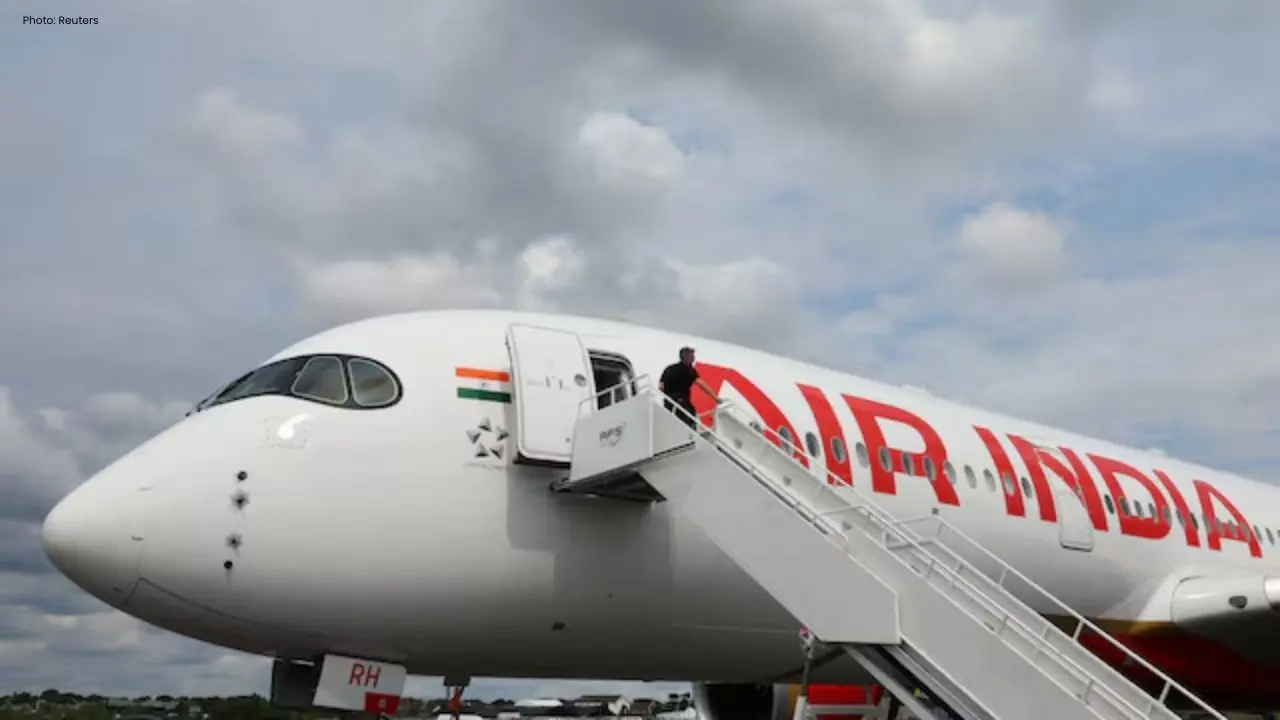
The financial impact of Air India's staggering losses has taken a toll on Singapore Airlines, marking its first full fiscal year since acquiring a stake in the Tata Group airline. As of May 14, 2026, Air India reported a substantial full-year loss of approximately 2.79 billion US dollars, adversely affecting Singapore Airlines' profit margins.
Owning a 25.1% stake in the newly formed Air India-Vistara entity, Singapore Airlines' investment was part of a strategic collaboration post the merger of Air India and Vistara under Tata Group’s leadership. However, Air India's financial struggles have dramatically strained Singapore Airlines' bottom line.
The airline disclosed that its involvement with Air India led to a profit reduction of roughly 743 million US dollars during this financial period. As a result, Singapore Airlines' net annual profit plummeted by 57.4% to around 930 million US dollars, even amidst a backdrop of robust operational growth.
Nonetheless, Singapore Airlines recorded impressive operating profits in the same period, which surged by nearly 39% to about 1.89 billion US dollars, driven by strong passenger demand and recovery in international travel.
Industry analysts note that these results underscore the complexities associated with restructuring Air India, which has faced years of operational and financial instability. Since Tata Group took the reins, significant investments have been funneled into refreshing the fleet, enhancing services, and rebranding the airline.
The merger between Air India and Vistara represents a pivotal move to fortify India’s aviation sector, aspiring to create a larger full-service airline for global competition. However, analysts caution that the integration challenges may yield financial strain in the short term before potential long-term advantages materialize.
Despite the current challenges, Singapore Airlines reassures its commitment to its partnership with Air India, identifying promising growth prospects in India’s dynamic aviation market, which ranks among the fastest growing worldwide, attracting keen interest from international carriers and investors alike.
The latest financial findings have sparked broader discussions within the aviation sector as airlines navigate rising operational costs, fuel price shifts, and post-pandemic recovery strategies while vying for a share in Asia’s expanding travel market.