How Seasonal Changes Affect Skin Texture: What Your Skin Goes Through All Year
Skin texture rarely stays the same throughout the year. Many people notice their skin becoming rough in winter, oily in summer, dull during monsoons, or sensitive during seasonal transitions, yet they often blame products instead of the real cause. The truth is that seasonal changes directly influence skin structure, hydration levels, oil production, and barrier strength.
Understanding how each season affects your skin texture helps you prevent long-term damage, manage breakouts, and maintain smoother, healthier-looking skin year-round. This guide explains the science behind seasonal skin changes in a clear, practical, and informative way.
What Skin Texture Really Means
Skin texture refers to the surface quality of your skin—how smooth, even, hydrated, and refined it feels and looks.
Healthy skin texture appears:
-
Smooth to touch
-
Even-toned
-
Well-hydrated
-
Free from excessive roughness or enlarged pores
Texture changes when the skin barrier is disturbed, moisture balance shifts, or cell turnover becomes irregular.
Why Skin Texture Changes With Seasons
Your skin is a living organ that constantly reacts to its environment.
Seasonal factors that impact texture include:
-
Temperature changes
-
Humidity levels
-
Sun exposure intensity
-
Wind and pollution
-
Indoor heating or air conditioning
Each season places different stress on the skin barrier, leading to visible texture changes.
Winter and Skin Texture: Dryness, Roughness, and Flaking
Winter is one of the harshest seasons for skin texture.
What happens to skin in winter
Cold air holds very little moisture. Combined with indoor heating, this causes:
-
Rapid moisture loss
-
Reduced oil production
-
Compromised skin barrier
-
Increased water evaporation from the skin
As a result, skin feels tight, rough, flaky, and uneven.
Why winter worsens texture
-
Dead skin cells accumulate faster
-
Skin renewal slows down
-
Natural lipids decrease
-
Micro-cracks form on the surface
These changes create a sandpaper-like texture, especially on cheeks, hands, and legs.
Summer and Skin Texture: Oiliness, Enlarged Pores, and Breakouts
Summer affects skin texture in the opposite way.
What happens to skin in summer
High temperatures and humidity increase:
-
Sweat production
-
Sebum secretion
-
Pore dilation
-
Bacterial activity
This often leads to bumpy texture, clogged pores, and uneven skin surface.
Why summer texture feels worse
-
Excess oil mixes with dead skin cells
-
Pores appear larger
-
Acne and blackheads increase
-
Sunscreen buildup adds to congestion
Even though skin feels hydrated, it may lack true water balance.
Monsoon Season: The Hidden Texture Disruptor
Monsoon weather creates unique challenges.
What monsoon does to skin
High humidity combined with pollution leads to:
-
Excess sweating without proper evaporation
-
Increased fungal and bacterial growth
-
Sticky skin surface
-
Increased sensitivity
Skin texture often feels uneven, congested, and dull during this season.
Why monsoon skin feels uncomfortable
-
Pores stay clogged
-
Skin struggles to regulate oil and moisture
-
Infections and breakouts increase
-
Makeup and skincare trap moisture
This season often triggers sudden texture changes even in balanced skin types.
Seasonal Transitions: The Most Damaging Phase for Skin Texture
The change between seasons is when skin suffers the most.
Why transition periods matter
Skin adapts slowly, but environmental changes happen quickly.
-
Oil glands become confused
-
Barrier function weakens
-
Sensitivity increases
-
Texture becomes unpredictable
This is when people experience sudden breakouts, rough patches, or dullness.
How Seasonal Changes Affect the Skin Barrier
The skin barrier is responsible for texture stability.
What the barrier does
-
Retains moisture
-
Protects from irritants
-
Maintains smooth surface
Seasonal stress weakens this barrier, causing moisture loss and rough texture.
Signs of barrier damage
-
Tightness
-
Redness
-
Flaking
-
Uneven surface
-
Sensitivity to products
Once the barrier weakens, texture deteriorates quickly.
Impact of Seasonal Dehydration on Texture
Skin dehydration is different from dry skin.
Why dehydration worsens texture
-
Fine lines appear deeper
-
Skin feels rough despite oiliness
-
Makeup settles unevenly
-
Glow disappears
Seasonal dehydration is common in both winter and summer due to moisture imbalance.
Sun Exposure and Texture Damage
Sun exposure changes throughout the year but impacts texture consistently.
How UV affects skin texture
-
Thickens outer skin layer
-
Slows cell turnover
-
Causes pigmentation irregularities
-
Leads to long-term roughness
Even cloudy or winter sun can damage texture if protection is neglected.
Pollution and Seasonal Texture Changes
Pollution levels vary by season and location.
How pollution affects texture
-
Free radicals damage skin cells
-
Dirt particles clog pores
-
Oxidative stress slows repair
This results in dull, uneven, tired-looking skin texture.
Why One Skincare Routine Doesn’t Work All Year
Using the same products year-round is a common mistake.
Seasonal skincare mismatch
-
Heavy creams clog pores in summer
-
Lightweight gels fail in winter
-
Strong exfoliants worsen transition damage
Skin texture improves when routines adapt with the season.
How to Support Smooth Texture in Every Season
Adjust cleansing
Use gentle cleansers in winter and deeper but balanced cleansing in summer.
Focus on hydration, not heaviness
Hydration should increase in winter and remain balanced in summer.
Exfoliate seasonally
Exfoliate less in winter and transition seasons, and moderately in summer to prevent buildup.
Strengthen the skin barrier
Barrier-supporting ingredients help skin adapt faster to environmental stress.
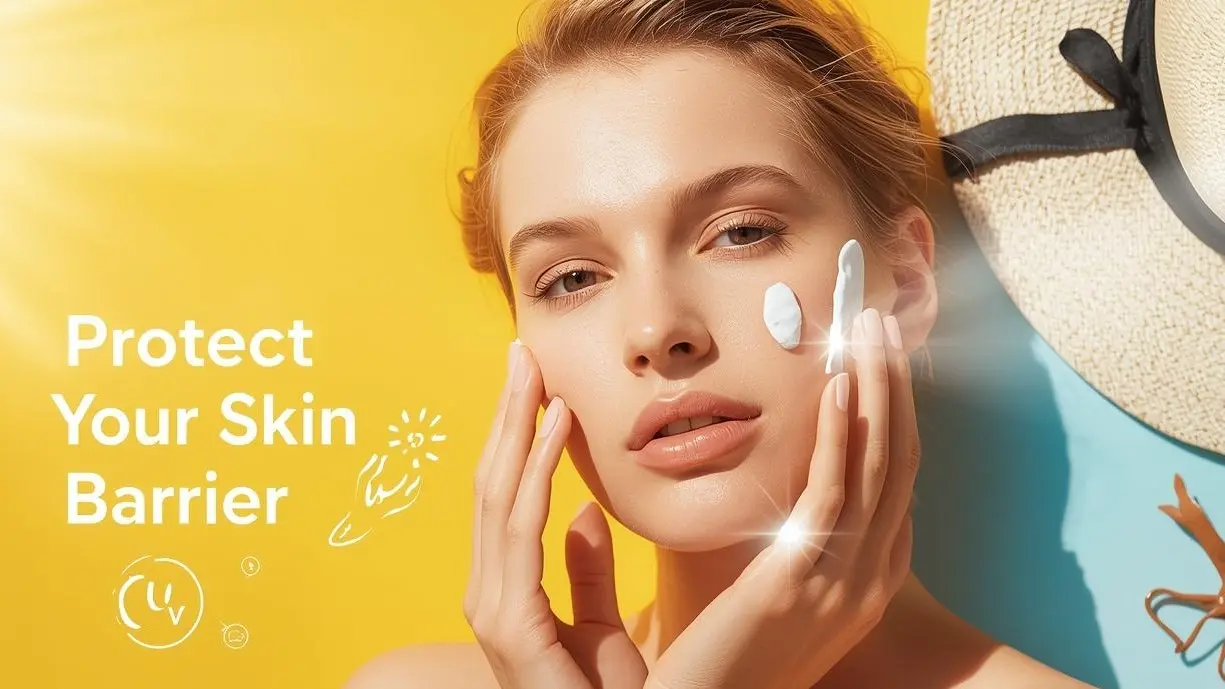
Never skip sun protection
Daily sun protection maintains texture consistency throughout the year.
Lifestyle Factors That Amplify Seasonal Texture Changes
Seasonal lifestyle habits also affect skin.
-
Reduced water intake in winter
-
Poor sleep during hot months
-
Increased junk food during monsoons
-
Stress during seasonal illnesses
Healthy habits support smoother texture regardless of weather.
When Texture Changes Need Professional Attention
Consult a professional if:
-
Texture worsens suddenly
-
There is persistent roughness or peeling
-
Acne or irritation increases seasonally
-
Home care shows no improvement
Early guidance prevents long-term damage.
Long-Term Effects of Ignoring Seasonal Skin Changes
Ignoring seasonal needs leads to:
-
Chronic dryness
-
Premature aging
-
Enlarged pores
-
Persistent dullness
-
Reduced skin resilience
Texture damage becomes harder to reverse over time.
Final Insight on Seasonal Skin Texture
Seasonal changes are unavoidable, but texture damage is not. Skin responds best when care, hydration, and protection change with the environment. Understanding how weather affects your skin allows you to support it proactively instead of reacting after damage appears.
Healthy texture is not about perfection—it’s about balance, consistency, and adaptation.
Disclaimer
This article is intended for informational and educational purposes only and does not replace professional dermatological advice. Skin responses to seasonal changes vary based on individual skin type, environment, and health conditions. For persistent texture issues or skin concerns, consult a qualified dermatologist or skincare professional for personalized guidance.