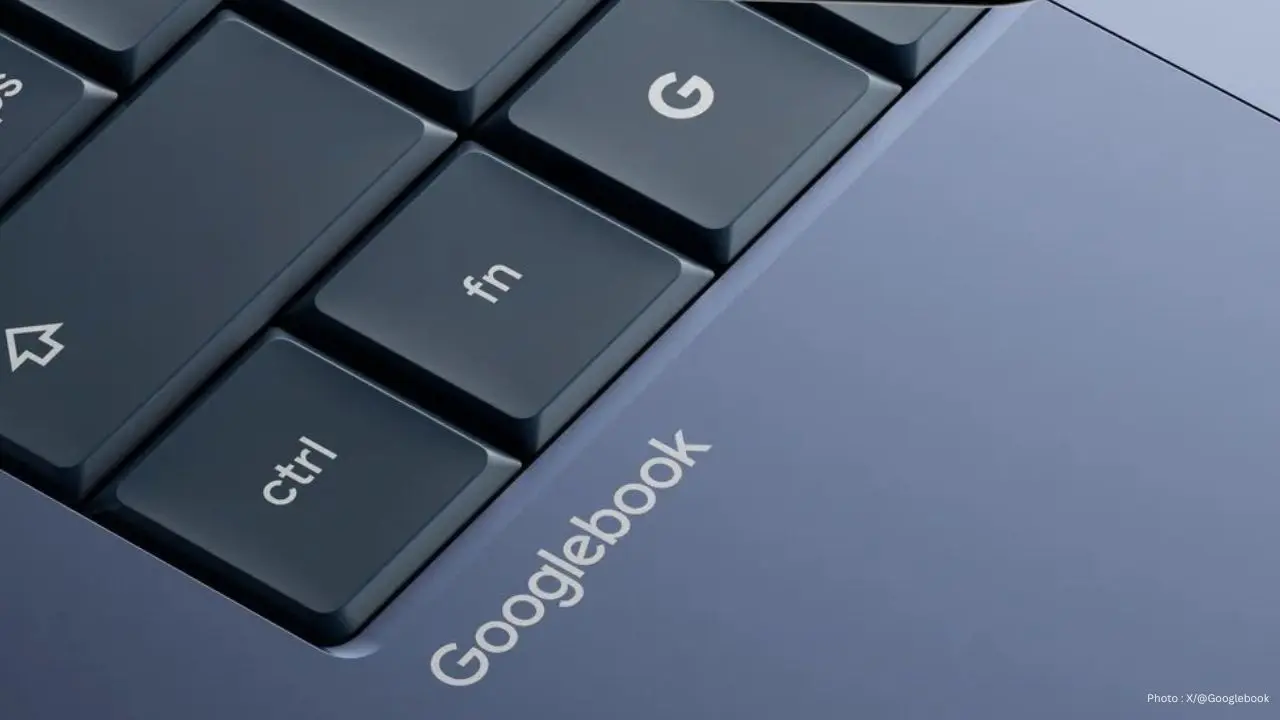
In a significant leap for personal computing, Google has unveiled a new line of laptops known as “Googlebook.” This cutting-edge platform, introduced during the Android Show: I/O Edition 2026, represents a major transition since the launch of Chromebooks over 15 years ago. Built around the advanced functionality of Google’s Gemini system, Googlebooks aim to deliver a seamless experience that merges Android, Chrome, cloud services, and artificial intelligence.
Designed from the ground up, Googlebooks focus on what Google refers to as “Gemini Intelligence.” In contrast to the traditional Chromebooks that mainly relied on web-based functionalities, the new Googlebook is set to offer direct, advanced AI support integrated throughout the operating system. These devices will operate on a novel Android-based platform that unites aspects of ChromeOS with Android applications and AI-enhanced capabilities.
A standout feature of the Googlebook is the innovative “Magic Pointer.” Unlike standard laptop cursors, the Magic Pointer is intricately linked to Gemini AI. This allows users to “wiggle” the cursor over screen content to receive instant prompts, suggestions, or contextual aids. For instance, hovering over a date in an email could help automatically schedule a calendar event, while selecting images might enable Gemini to offer visual comparisons or editing tips.
Additionally, Googlebooks will support standard Android applications available through the Google Play Store, allowing users to access millions of mobile apps directly on their laptops. Enhanced integration between Android smartphones and Googlebooks is also expected, enabling a more cohesive experience when transferring files, notifications, apps, and messages among devices. Reports suggest that Google aims to create a synchronized feel across phones, tablets, laptops, and wearables.
Another feature highlighted during the event is “Create Your Widget,” an AI-driven tool that empowers users to design personalized widgets using natural language commands. Users can request Gemini to produce widgets that display travel information, reminders, calendars, emails, weather forecasts, or customized dashboards tailored to their activities and preferences. The objective is to make laptops more intuitive and proactive, rather than merely reactive to user commands.
Google has confirmed that major manufacturers, including Acer, ASUS, Dell, HP, and Lenovo, are developing devices based on the Googlebook platform. While specific hardware specifications and pricing details remain undisclosed, early insights indicate premium laptop designs featuring lightweight builds and a distinctive glowing bar, known as the “Glowbar,” which may be tied to AI notifications or system alerts. Most devices are anticipated to be available in late 2026.
Although the Googlebook is expected to gradually replace Chromebooks, Google reassured users that existing Chromebook devices will continue to receive software and security updates for up to a decade, depending on the model. Technology analysts note that Googlebook signifies a pivotal shift from the conventional Chromebook towards a more AI-centric computing experience.
Industry insiders believe that the debut of Googlebook intensifies competition within the burgeoning AI computer market. With Microsoft enhancing its Copilot+ PC platform and Apple integrating AI across its MacBooks, Google is strategically positioning Gemini at the heart of its upcoming laptop ecosystem as it ventures further into AI-driven consumer technologies.
The announcement has sparked lively discussions online, with tech enthusiasts sharing varied opinions on the new AI features and the distinctive “Googlebook” moniker. Despite mixed feelings about branding, analysts are optimistic that this platform could emerge as one of Google’s most significant hardware and software initiatives in recent times, provided the company can effectively merge AI tools, Android applications, and productivity functionalities into a cohesive user experience.