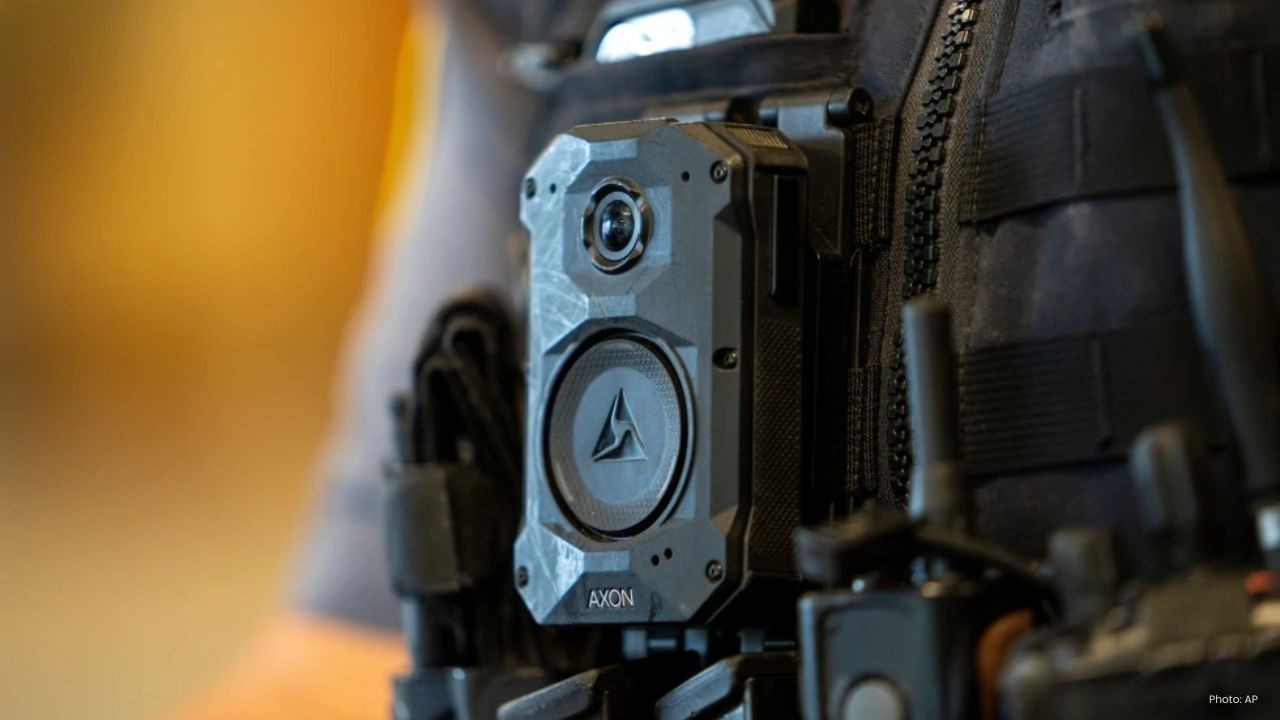
Edmonton has stepped into the spotlight of a highly controversial policing experiment. The city’s police force has begun testing AI-enabled body cameras designed to identify faces of roughly 7,000 individuals on high-risk watch lists. The trial marks one of the first real-world tests of facial recognition in North America after years of ethical debates.
The pilot, led in partnership with Axon, a major body camera and Taser manufacturer, aims to improve officer safety by alerting them to potentially dangerous individuals. The cameras are programmed to flag people with records of violent offenses, weapons possession, escape risk, or serious outstanding warrants. Edmonton police reported that about 6,341 people fall under the high-risk “flag or caution” category, with another 724 listed for serious warrants.
Axon’s CEO, Rick Smith, described the trial as “early-stage field research” intended to evaluate the technology’s performance and develop proper safeguards. The cameras will operate primarily in daylight and initially on 50 officers’ body cams. Outputs are analyzed later at the station to avoid real-time misidentifications, though the system may eventually alert officers to dangerous individuals while on duty.
The technology has sparked global attention. Facial recognition in policing has faced criticism for privacy violations and racial bias, particularly in the U.S., where several cities and states have restricted its use. The European Union has banned real-time facial recognition in public spaces except for serious crimes. Critics caution that accuracy can be affected by lighting, distance, and skin tone, and emphasize the need for transparency and accountability before widespread adoption.
Edmonton’s pilot is short-term, set to run until the end of December, but it could influence policing policies worldwide. The city’s cold winter conditions, low daylight hours, and past community tensions—especially with Indigenous and Black residents—highlight the delicate balance between public safety and civil liberties in the rollout of new AI technologies.