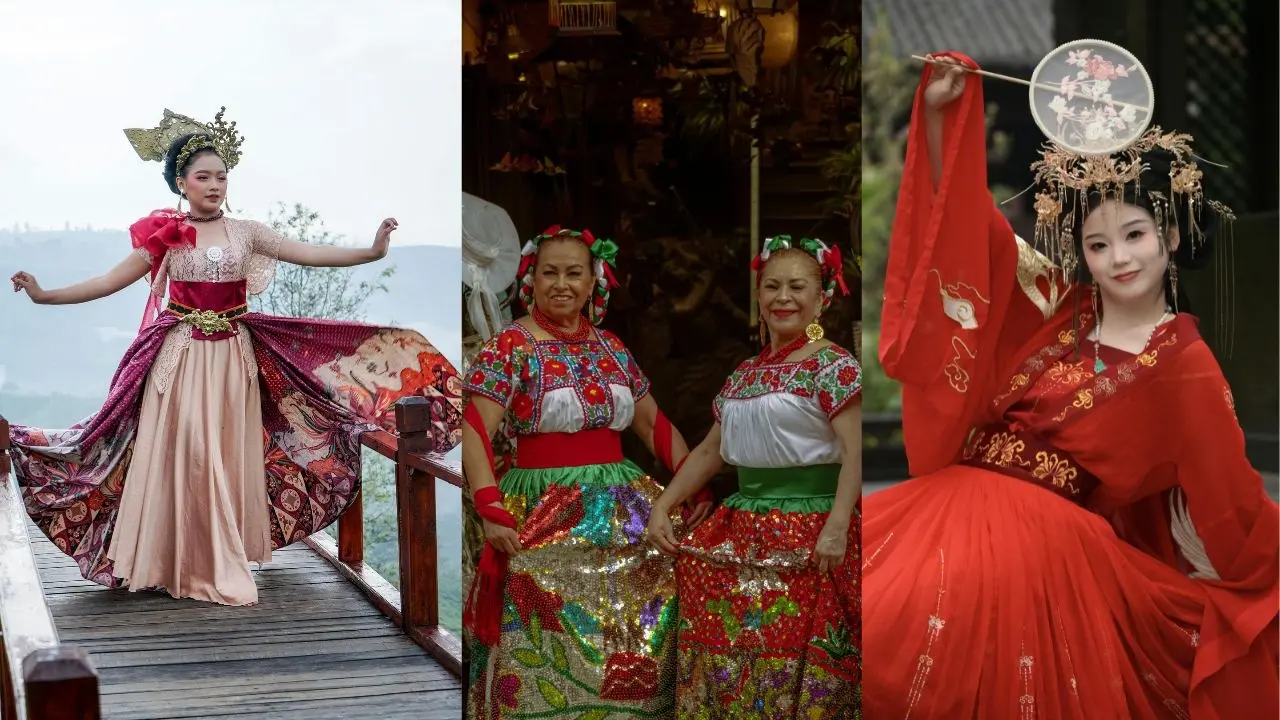
A rising social media phenomenon termed “becoming Chinese” is captivating audiences around the globe, exemplifying China’s increasing cultural sway through daily practices, cuisine, and social habits.
Young content creators on platforms like TikTok are posting videos of themselves embracing aspects of Chinese life, such as drinking herbal hot water, savoring traditional dishes, and celebrating the vibrancy of contemporary urban China.
This trend has garnered millions of views, indicating a notable change in global perceptions of Chinese culture, which many now regard as both appealing and influential.
Experts believe this trend underscores China’s growing soft power, where cultural allure—rather than political weight—is redefining international views. Elements of Chinese consumer culture, entertainment, and lifestyle are steadily infiltrating global society.
Cultural phenomena such as Pop Mart toys, films, music, and video games like Black Myth: Wukong further amplify this influence.
Nevertheless, the trend has incited a range of reactions, especially within Chinese communities overseas, as some express concerns about cultural appropriation and the disparity between online enthusiasm and real-world challenges, including discrimination.
Despite the concerns, many argue that heightened awareness and cultural interchange could bridge gaps and foster global connections in the long run.
China’s government has long sought to enhance its international image through various initiatives; however, analysts contend that grassroots movements like this trend often yield more profound effects than official programs.
In essence, the “becoming Chinese” trend signifies a pivotal moment in the cultural landscape, illustrating how digital trends and everyday practices can reshape perceptions of nations significantly.