In light of the recently established ceasefire between the United States and Iran, China is strategically reevaluating its diplomatic positioning, focusing on securing a sustainable resolution to the ongoing conflict.
President Trump mentioned China's influence in persuading Iran towards agreeing to a temporary truce, with sources revealing that Beijing has utilized its economic clout as a major purchaser of Iranian oil to bring Tehran back to the negotiating table.
The ceasefire emerges at a pivotal moment for China, heavily reliant on energy from the Persian Gulf. Concerns over potential disruptions in the Strait of Hormuz, a crucial passage for global oil transit, heighten worries about economic stability across Asia.
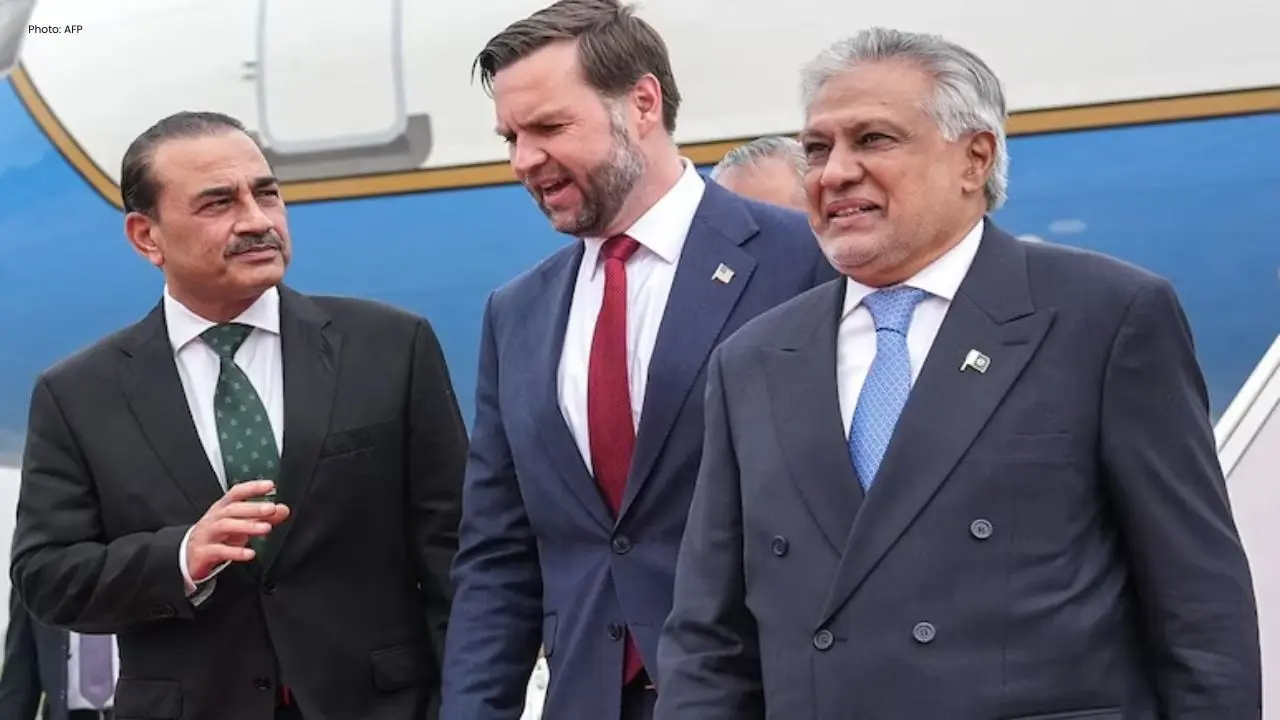
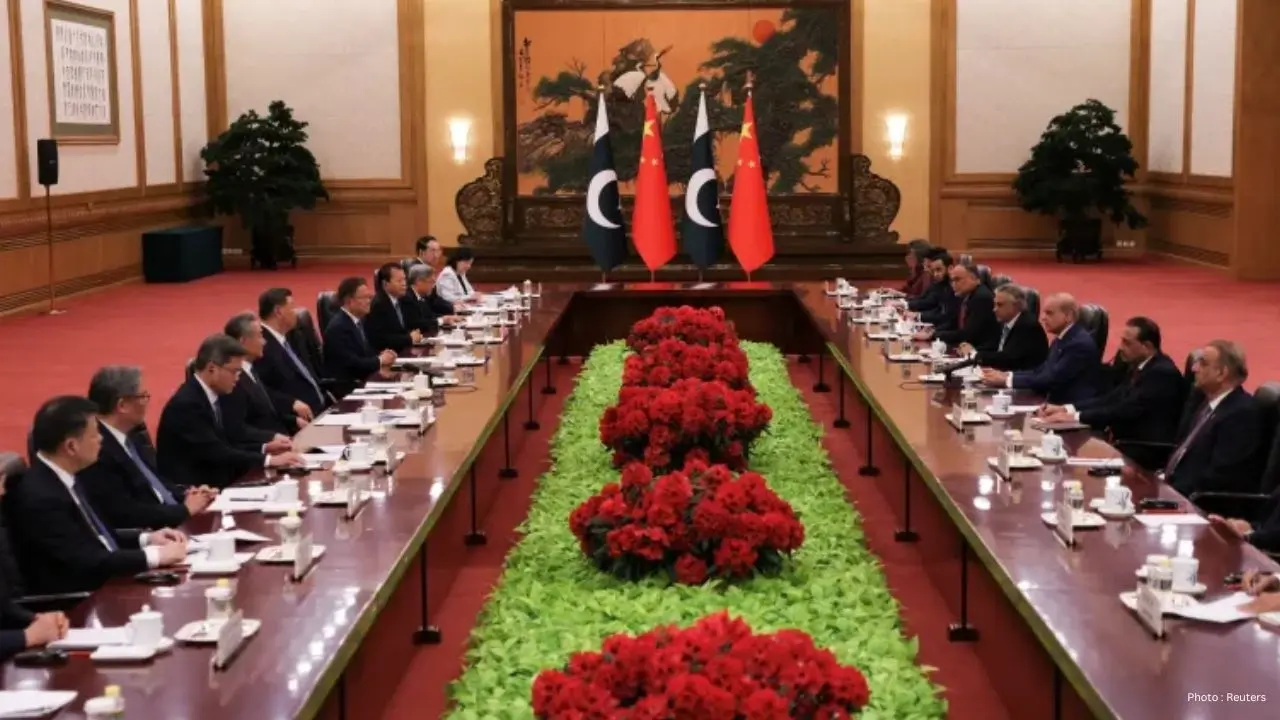
China's leadership has emphasized their commitment to supporting peace initiatives, engaging with regional stakeholders like Pakistan to promote constructive dialogue among the involved parties.
Nevertheless, Beijing seems wary of deeper engagements, particularly regarding long-term commitments to Iran's security. Analysts indicate that China's maneuvers are primarily motivated by its strategic interests rather than mere diplomatic efforts.
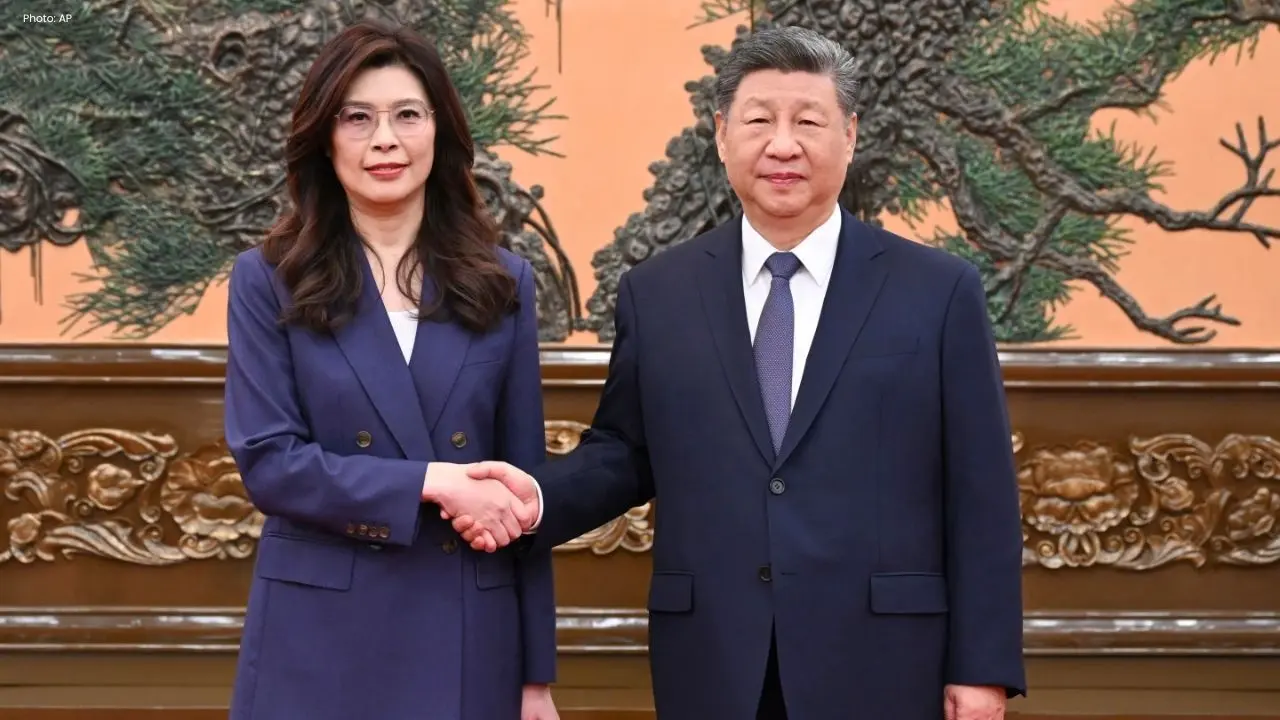
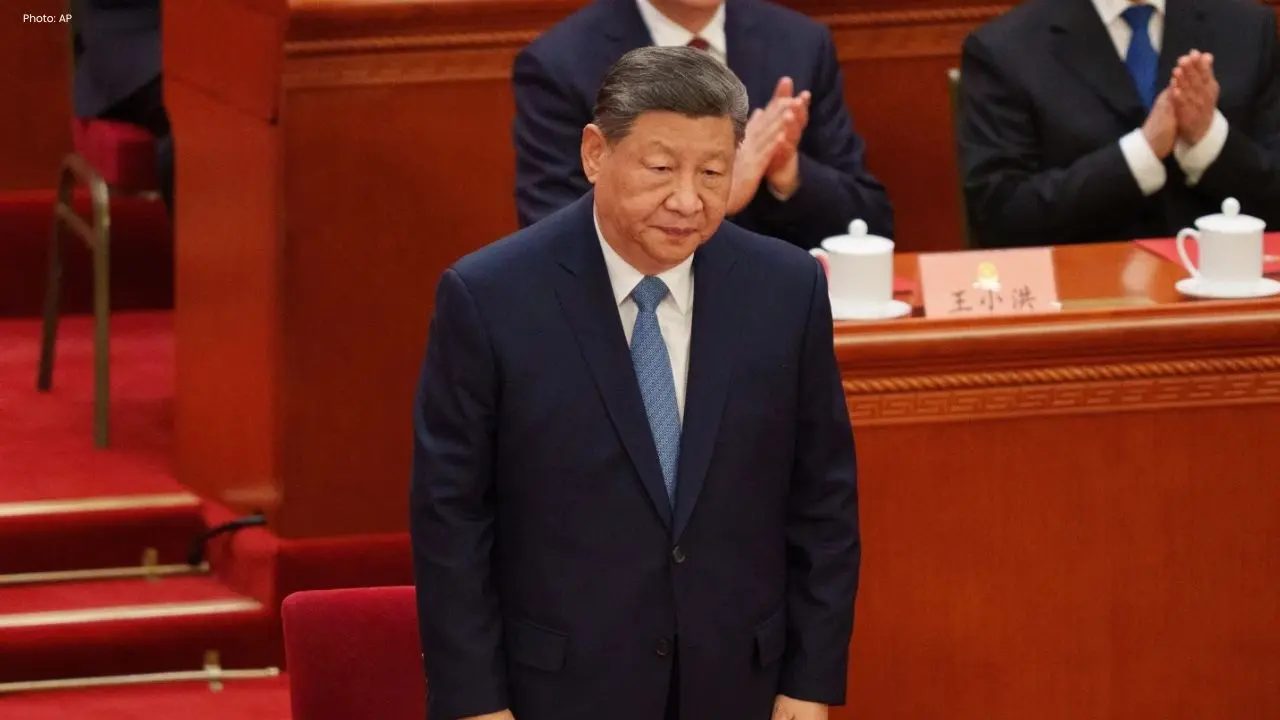
This evolving scenario has significant repercussions for the anticipated discussions between Xi Jinping and Donald Trump, where critical issues like trade dynamics, sanctions, and regional stability are slated for examination.
Experts posit that China might use its engagement in the ceasefire to bolster its global diplomatic standing, in addition to advocating for concessions from the United States, including the easing of restrictions on Chinese businesses associated with Iran.
Ultimately, China's core priority remains its economic growth and stability, as lingering tensions in the Middle East threaten to disrupt trade routes, energy supplies, and broader international markets.