In April 2026, China experienced notable growth in its services sector, fueled by enhanced domestic demand and increased business activities. Recent data from Beijing indicates that the services purchasing managers’ index climbed to 52.6 in April, up from 52.1 in March, marking ongoing growth in this area.
The purchasing managers’ index, curated by S&P Global, stayed above the critical 50-point mark, which signifies the balance between growth and contraction. Analysts suggest these results reflect the resilience of China’s domestic services sector, even amid fluctuating external economic conditions.
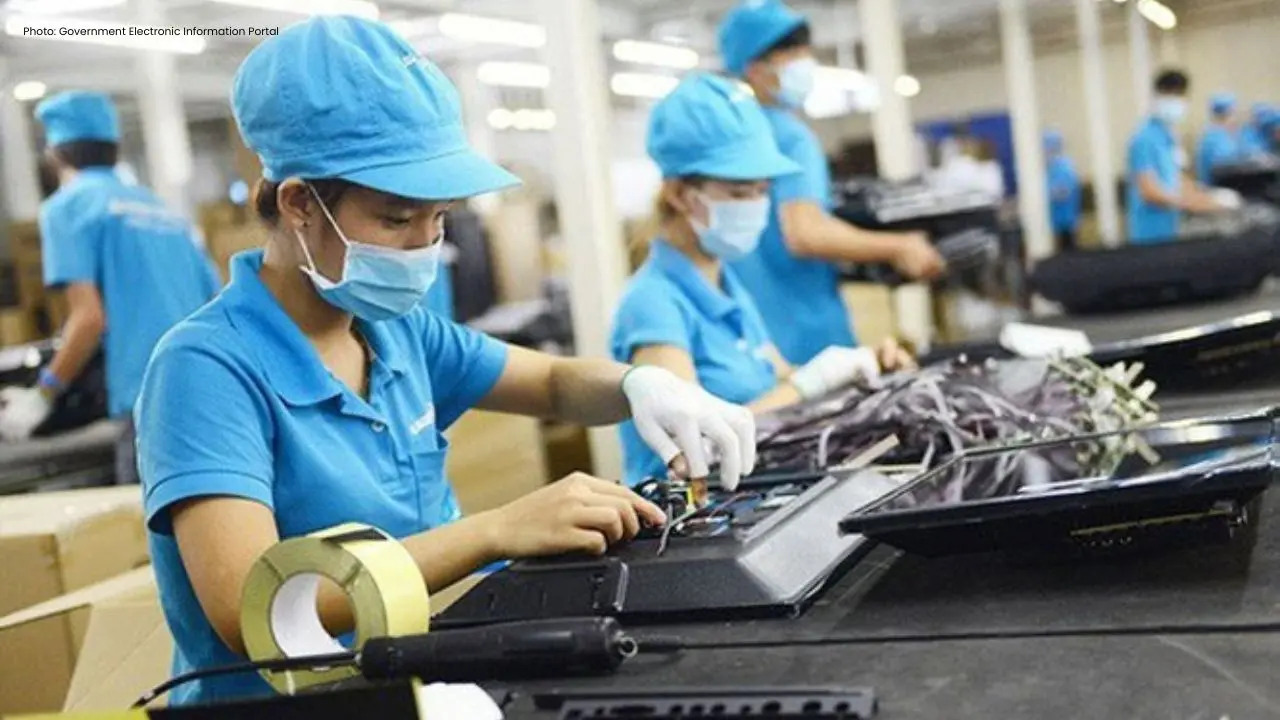
While the services sector shows positive trends, other facets of the Chinese economy are under pressure. Officials reported a slowdown in manufacturing—a core aspect of Chinese exports—in April. Additionally, retail sales and industrial output experienced declines, indicating a cautious consumer and business spending approach.
Economic experts noted a shift in producer prices, moving away from a prolonged deflation period. Although rising prices may point to improving demand in specific areas, they are also adding strain on companies dealing with higher operational expenses and restricted pricing power in a fierce market landscape.
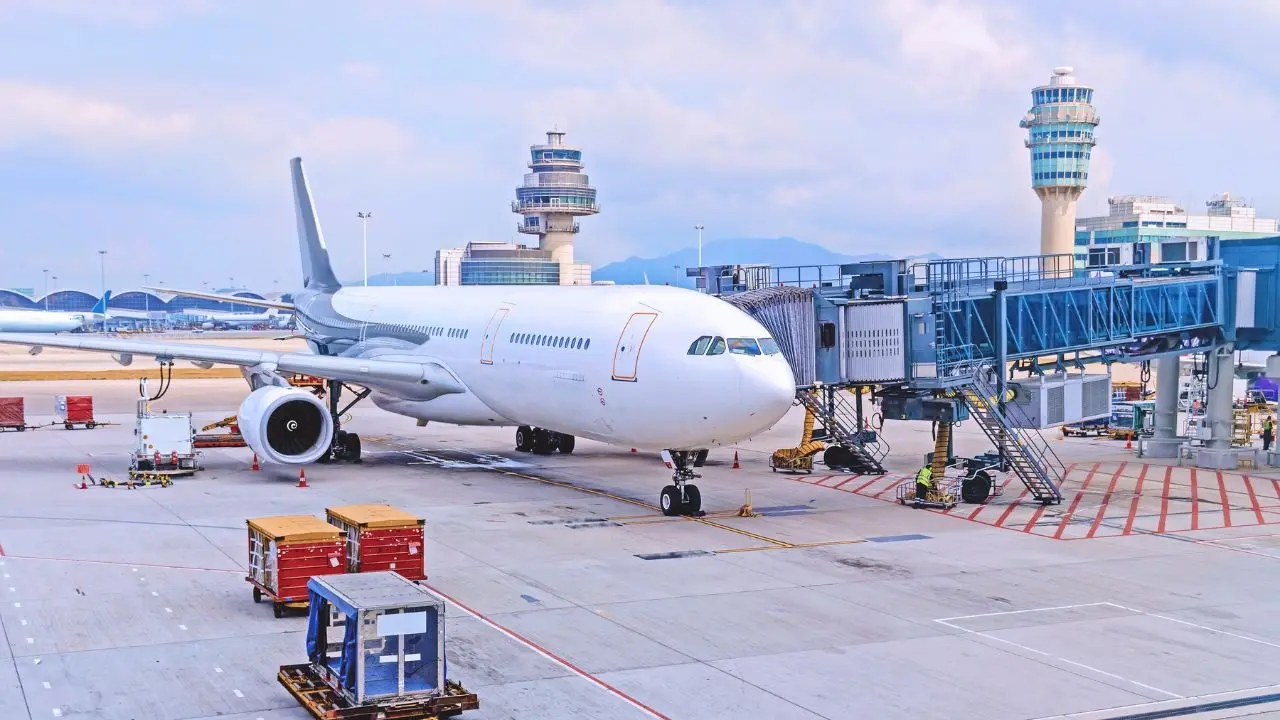
The escalating tensions in the Middle East have contributed to increased unpredictability in global trade networks. Chinese businesses have reported heightened shipping and oil costs, attributed to regional conflicts. Economists cautioned that enduring geopolitical strife may further impact global demand, squeezing profit margins for firms already confrontational with weak international markets.
Recent data portrays a quicker rise in new business activity within China throughout April, primarily driven by domestic clients. Conversely, export-linked businesses faced a decline for the second straight month, yet this drop appeared less severe compared to prior economic downturns.
Business reports indicate these are the highest recorded input cost inflation levels of 2026, with companies attributing surging expenses to elevated transportation, logistics, and energy fees. Concurrently, many businesses have lowered selling prices for a second month, aiming to attract consumers and remain competitive amid subdued demand.
Despite the obstacles, overall business sentiment remains optimistic regarding future economic activity. Analysts believe companies are cautiously hopeful that stronger internal demand and supportive government initiatives may aid in stabilizing growth in the near term.
Moreover, the broader composite output index, integrating both manufacturing and service metrics, rose to 53.1 in April from March’s 51.5, indicating consistent expansion in China's overall economic activity, despite external pressures and global uncertainties.