Understanding the Conflict Between Comfort and Planning
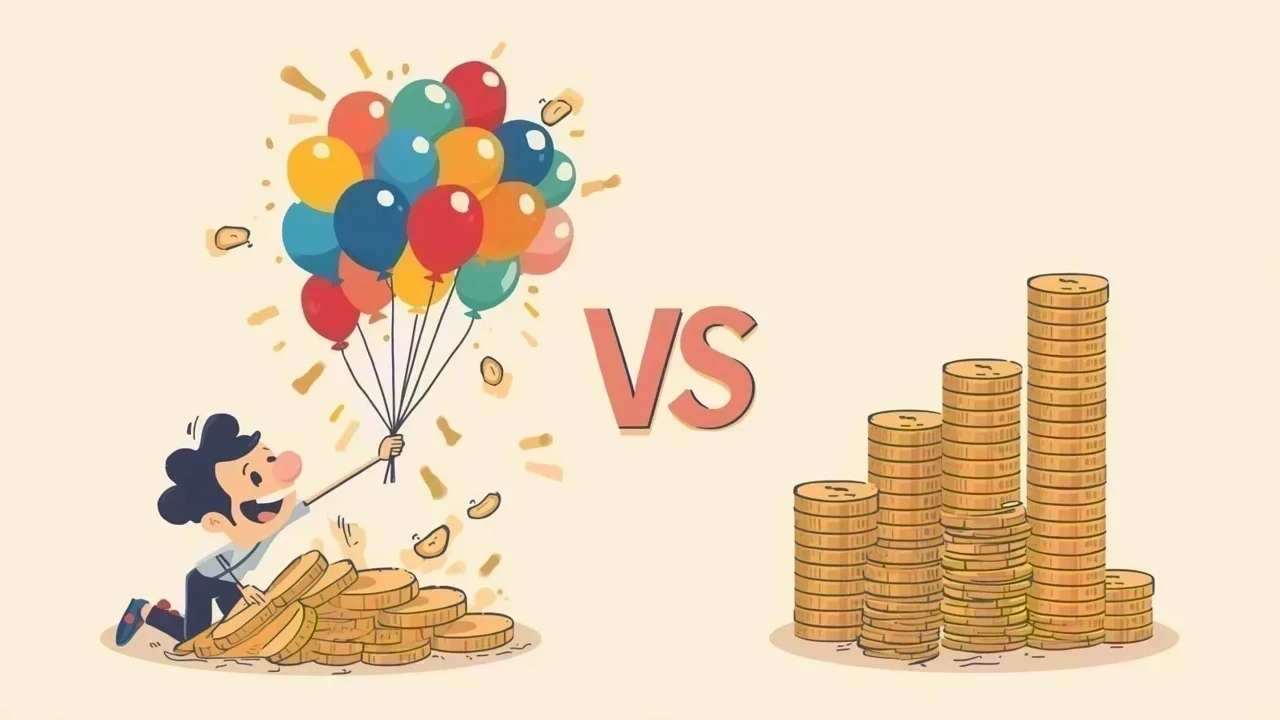
In today’s fast-moving economy, many individuals knowingly choose short-term comfort over long-term financial planning. This decision is rarely accidental. It is driven by emotional needs, social pressure, mental fatigue and the desire for immediate relief. While long-term planning promises security, it often feels distant and abstract compared to the instant satisfaction that comfort provides right now.
Why Immediate Comfort Feels More Powerful
Human behaviour naturally favours rewards that are visible and immediate. Long-term benefits feel uncertain, while comfort today feels guaranteed.
• Buying something today delivers instant happiness
• Planning for future savings feels slow and invisible
• Delayed rewards require discipline and patience
• Stress pushes people toward emotional spending
This psychological bias makes comfort-driven decisions easier than planning-focused ones.
Mental Fatigue and Decision Overload
Modern life constantly demands decisions — work, family, finances, health and digital distractions. By the end of the day, mental energy is low.
• Comfort choices require less thinking
• Financial planning needs attention and effort
• Fatigue weakens self-control
• Small expenses feel harmless in the moment
When people are mentally exhausted, they default to what feels easiest rather than what is financially wiser.
Lifestyle Inflation and Social Pressure
As income grows, lifestyle expectations rise automatically. Comfort becomes a benchmark rather than a luxury.
• Better phones, cars and homes feel necessary
• Social media normalizes higher spending
• Comparing lifestyles increases pressure
• Saying no feels like missing out
These influences quietly push people toward short-term satisfaction instead of disciplined planning.
The Illusion of “I’ll Fix It Later”
Many people delay planning because they believe future income will solve current overspending.
• Promotions or business growth are expected
• Bonuses are mentally pre-spent
• Retirement feels far away
• Emergencies feel unlikely
This mindset delays action until financial pressure becomes unavoidable.
Emotional Spending as Stress Relief
Comfort spending is often emotional rather than logical.
• Food, travel and shopping provide temporary relief
• Spending creates a sense of control
• Planning feels restrictive during stress
• Emotional comfort outweighs rational thinking
Unfortunately, this relief is short-lived, while financial consequences last longer.
Why Long-Term Planning Feels Unattractive
Long-term financial planning struggles to compete with comfort because it lacks immediate feedback.
• Savings do not feel rewarding instantly
• Investment growth takes time
• Benefits are invisible day-to-day
• Discipline feels like sacrifice
Without visible short-term rewards, planning feels boring compared to comfort spending.
How Short-Term Comfort Quietly Damages Stability
Choosing comfort repeatedly creates patterns that slowly weaken financial health.
• Savings remain insufficient
• Debt becomes normalized
• Emergency funds stay incomplete
• Financial anxiety increases over time
What feels harmless individually becomes harmful when repeated consistently.
Comfort vs Security: The Hidden Trade-Off
Every comfort-driven decision has an invisible cost.
• Extra spending reduces future flexibility
• Missed savings delay financial independence
• Debt limits life choices
• Stress increases during financial shocks
Security is built silently, while comfort is felt loudly — making the trade-off easy to overlook.
Why People Regret Financial Choices Later
Regret usually appears when consequences become real.
• Medical emergencies expose lack of savings
• Job loss highlights financial fragility
• Family responsibilities increase pressure
• Retirement planning feels rushed
At this stage, comfort enjoyed earlier offers no protection.
How to Balance Comfort With Planning
Financial stability does not require eliminating comfort, only managing it consciously.
• Allocate guilt-free comfort spending limits
• Automate savings before spending
• Plan for enjoyment without excess
• Review finances monthly, not yearly
• Reward discipline with controlled comforts
Balance works better than strict denial.
Changing the Mindset Around Financial Planning
Planning becomes easier when reframed positively.
• Planning equals freedom, not restriction
• Savings represent options, not sacrifice
• Discipline creates long-term comfort
• Stability reduces emotional stress
When planning is linked to peace of mind, it becomes emotionally rewarding.
Why Long-Term Planning Is the Real Comfort
True comfort is not constant spending, but financial calm.
• Ability to handle emergencies confidently
• Freedom to change jobs or lifestyles
• Reduced anxiety around money
• Long-term independence
This form of comfort may be quiet, but it lasts longer and grows stronger over time.
Final Thoughts
Short-term comfort often wins because it feels immediate, emotional and effortless, while long-term financial planning feels slow and demanding. However, comfort without planning creates long-term instability. The key is not choosing one over the other, but learning to balance both. When financial planning becomes a habit rather than a burden, it eventually delivers the deepest form of comfort — security, control and peace of mind.
Disclaimer
This article is for informational purposes only and does not constitute financial or investment advice. Individual financial situations vary, and readers should consider their personal circumstances or consult a qualified professional before making financial decisions.