Recent discussions between the United States and Iran have sparked speculation about a possible diplomatic breakthrough involving restrictions on enriched uranium and temporary maritime agreements related to regional security. The ongoing negotiations are being closely observed in the Middle East due to their implications for energy markets, geopolitical stability, and international relations.
Details emerging from the talks suggest that negotiators are contemplating limits on enriched uranium as part of a comprehensive plan aimed at easing hostilities. There are also indications that temporary maritime arrangements involving a strategic waterway could be included, aimed at mitigating tensions and ensuring stability in the Gulf.
These discussions follow several months of indirect engagement between Washington and Tehran, where mediators have been working to reconcile differences regarding sanctions, nuclear oversight, and security matters in the region. While no formal agreement has been reached yet, recent events hint at a possible compromise.
Enriched uranium remains a critical focus in these talks, with Western governments expressing anxiety over Iran's advancing nuclear capabilities. Conversely, Iranian officials maintain that their nuclear program is designed for peaceful applications such as energy and scientific research.
An agreement on uranium limitations would have significant international ramifications, as the nuclear issue has historically been a major source of strain between Tehran and Western nations. Previous negotiations have often collapsed due to political friction, mutual distrust, and shifting regional dynamics.
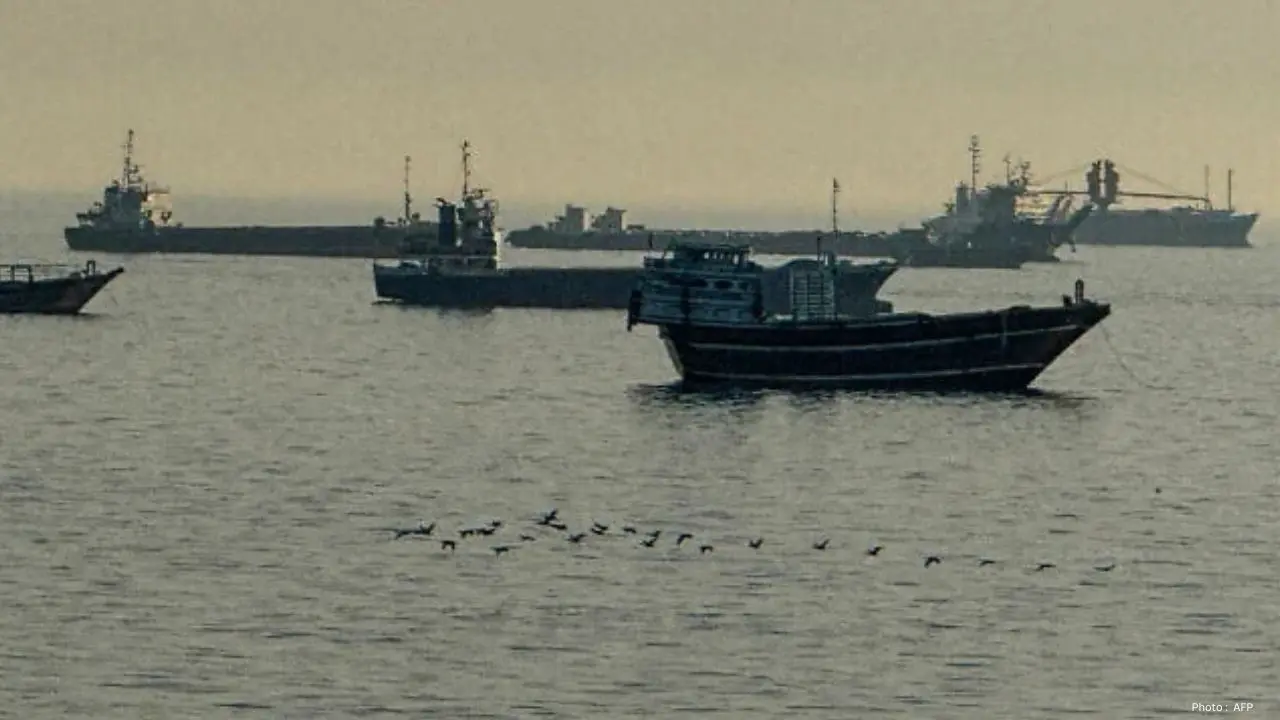
The discussions surrounding maritime access have captured global attention, given the importance of Gulf shipping lanes for international energy supply. Any impact on the security of these vital routes could have repercussions for oil pricing, trade, and economic stability worldwide.
Energy markets are attentively tracking these negotiations, recognizing that reduced tensions between Tehran and Washington might eventually affect oil exports and crude supply expectations. Even minor diplomatic advances have previously swayed market perceptions.
Regional stakeholders are also monitoring the situation, as any positive outcomes could alter political dynamics, security frameworks, and economic strategies across the Middle East. Numerous countries have consistently advocated for diplomatic resolutions to avert broader conflicts and to uphold regional peace.
Nevertheless, substantial hurdles remain. Negotiators are grappling with issues surrounding sanctions relief, compliance monitoring, and long-term assurances regarding future agreements. Political tensions from hardline factions in both nations further complicate these diplomatic efforts.
Experts believe that fostering trust-building measures is vital for achieving any larger agreements. Years of political strife and economic sanctions have fostered deep-seated distrust, making each negotiation phase crucial.
Despite the challenges, reports indicate that diplomatic engagement is ongoing, albeit after previous setbacks. Analysts speculate that smaller, temporary agreements may pave the way for more extensive discussions in the future.
Economic factors are also playing a critical role in shaping the talks. Iran is under significant pressure from sanctions impacting trade, banking, and oil revenues, while global powers are anxious about potential instability affecting energy security. A de-escalation could lead to enhanced economic prospects and market confidence in the area.
This possible diplomatic opening is drawing worldwide interest from governments, investors, and security analysts alike. Although uncertainty persists, the latest developments suggest that US-Iran negotiations are moving into a consequential phase with widespread implications beyond the Middle East.