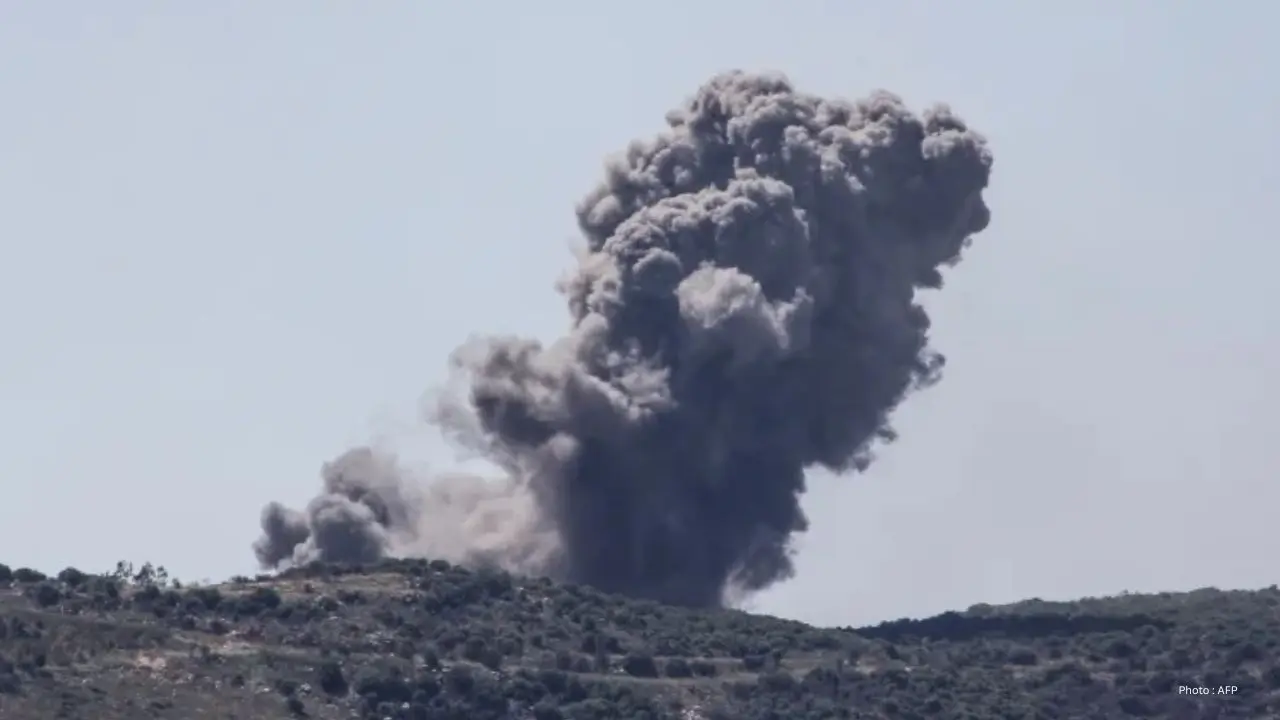
Aden— A fresh wave of tension swept across southern Yemen on Monday after the UAE-backed Southern Transitional Council (STC) tightened its grip over several oil-rich and strategic regions, prompting a brief shutdown of the country’s airspace and leaving hundreds of passengers stranded.
Flights to and from Aden, the temporary seat of Yemen’s internationally recognized government, were halted for hours. Airport staff rushed to resume operations once clearance returned, with passengers of a delayed Cairo-bound flight finally processed by midday.
The sudden disruption came amid an escalation that has redrawn the map of power in Yemen’s south. STC forces moved swiftly through Hadhramaut earlier this month, taking control of Seiyun, key oil fields, energy facilities—including PetroMasila, the country’s largest oil company—and major military sites. The group also advanced toward Mahra, on the border with Oman.
Across the newly seized areas, the STC raised the flag of former South Yemen, displaying it on government buildings, schools and even border crossings. Images shared online showed a unified message from the separatist camp: a renewed push for a return to an independent southern state.
In Aden and other southern cities, crowds carrying South Yemen flags flooded the streets in celebration. Demonstrators chanted that the “day of triumph” had arrived, vowing to remain until independence is achieved.
The rapid STC advance also saw its fighters enter the presidential palace in Aden over the weekend, with guards withdrawing from the complex. The group has framed its military push as an effort to stabilise the region and cut off smuggling routes allegedly used by armed groups, including the Houthis and al-Qaida.
The developments indicate a dramatic shift in Yemen’s fragile landscape. For years, the STC has been part of the anti-Houthi coalition but has remained firm in its ambition for a separate southern state. With its expanding territorial presence—stretching across key coastlines, islands such as Socotra and Mayun, and now deep into Hadhramaut—the group’s influence is more visible than ever.
As Yemen enters yet another uncertain phase, the country’s long-standing north–south divide stands sharper than it has in decades, raising the possibility of a return to a two-state reality after more than 30 years of unification.