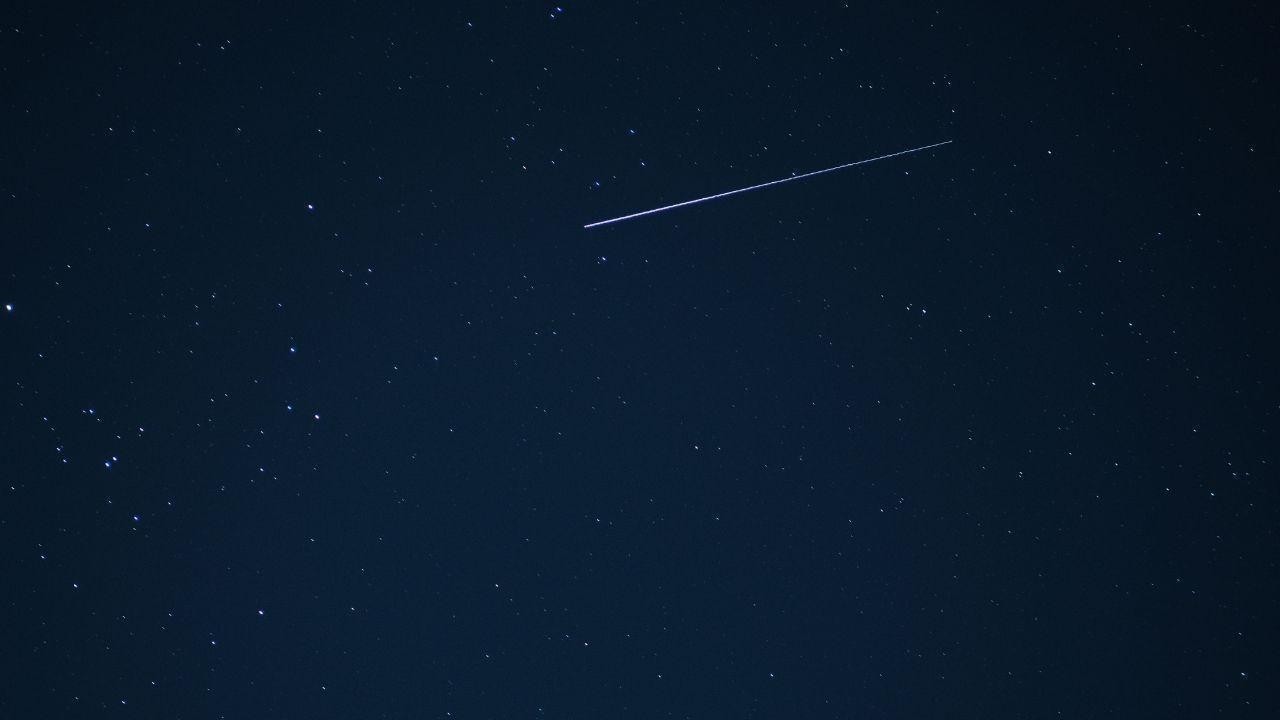
On a recent summer night, the mountains of Jebel Jais in Ras Al Khaimah became the stage for one of the most breathtaking sky shows of the year — the Perseid meteor shower. Organized by the Dubai Astronomy Group, the event attracted around 150 residents and visitors who came to witness nature’s spectacular display of “shooting stars.”
The cool mountain air, the dark skies, and the excitement of the crowd created a perfect atmosphere for the night. Even though the peak of the meteor shower coincided with a bright moon, which made some of the faintest meteors harder to see, the overall experience still turned out to be magical. Bright meteors streaked across the sky, leaving glowing trails that drew gasps from the audience.
Stay informed with the latest news. Follow DXB News Network on WhatsApp Channel
What Are the Perseids?
The Perseid meteor shower is one of the most famous and reliable meteor showers of the year. It occurs when Earth passes through a trail of debris left behind by the comet Swift-Tuttle. As these tiny particles hit Earth’s atmosphere at very high speeds, they burn up and produce streaks of light across the night sky.
According to NASA, the Perseids often produce between 50 and 100 meteors per hour under ideal conditions. They are known for their bright, fast meteors and sometimes leave long-lasting trails of light, called “wakes.” The best part? They appear during the warm summer nights of August, allowing sky watchers to enjoy the event in comfort without heavy winter clothing.
An Event for All Ages
The Dubai Astronomy Group made sure this was not just about looking up at the sky — it was a complete learning experience for everyone. The event included:
-
Telescope Observations: Visitors had the chance to look at the Moon, Saturn, Jupiter, and other celestial objects through high-powered telescopes.
-
Expert Presentations: Experienced astronomers explained the science behind the meteor shower and the story of comet Swift-Tuttle, making it easy for both kids and adults to understand.
-
Interactive Sessions: A fun and engaging session focused on comets allowed participants to ask questions, share their thoughts, and even handle comet models to better understand their structure.
For many children, this was their first experience of looking at planets through a telescope. Their excited voices filled the air every time a meteor flashed across the sky.
Why the Perseids Are So Popular
The Perseid meteor shower is widely considered the best meteor shower of the year because of its high number of meteors and its consistent annual appearance. It peaks in mid-August, when the Northern Hemisphere enjoys warm nights.
Even though a bright moon can sometimes make dim meteors invisible, the Perseids still produce many bright meteors that outshine the moonlight. This year, despite the lunar brightness, attendees at Jebel Jais reported seeing up to 75 shooting stars in just a few hours.
A Gathering Under the Stars
The location — Jebel Jais — is the UAE’s tallest mountain, rising 1,934 meters above sea level. The higher altitude and distance from the bright city lights make it a perfect spot for stargazing.
People arrived early to secure good viewing spots, laying out blankets, setting up chairs, and pointing cameras at the sky. Some brought thermos flasks filled with tea or coffee, while others came with picnic baskets. It was more than just a science event — it was a community gathering under the stars.
A Lesson in Astronomy
During the presentation, astronomers explained how the Perseids are part of a bigger cosmic story. Comet Swift-Tuttle, the source of the meteor shower, is a large ball of ice, dust, and rock that orbits the Sun once every 133 years. Each time it passes near the Sun, it leaves a trail of debris behind. Every August, Earth passes through this debris, and the small particles — some as tiny as a grain of sand — create the meteor shower when they collide with our atmosphere at speeds of about 59 kilometers per second.
They also explained how the bright streaks are not stars falling, even though people call them “shooting stars.” They are simply tiny fragments burning up in the atmosphere, never reaching the ground.
The Emotional Impact of the Night
For many who attended, the experience was more than just about science. It was about wonder, connection, and the joy of witnessing something timeless. Some people brought their families to share the beauty of the night sky, while others came alone to quietly enjoy the show.
One participant described it as “a reminder of how small we are in the vast universe, but also how lucky we are to witness such beauty.” Another said, “It’s moments like this that make you appreciate the Earth and the cosmos even more.”
Photographers’ Paradise
The event also attracted photographers eager to capture the meteors. With long-exposure shots, they managed to photograph multiple meteors streaking across the sky in a single frame. The glow of the moon and the rugged mountain landscape added an extra layer of beauty to the images.
More Than Just a One-Time Experience
While the Perseids are an annual event, astronomers encourage people to look at the night sky year-round. Other meteor showers, planetary alignments, and lunar events happen throughout the year, and the Dubai Astronomy Group often organizes similar gatherings to encourage public interest in astronomy.
The event ended late at night, with people packing up their blankets and telescopes, still chatting excitedly about the meteors they had seen. Many left with new knowledge, new memories, and perhaps a new hobby — stargazing.
The Perseid meteor shower at Jebel Jais this year was a memorable blend of science, nature, and community. Even with the bright moon, the sky delivered dozens of spectacular meteors, leaving attendees in awe. From telescope views of the planets to educational talks and interactive sessions, it was an enriching experience for people of all ages.
For those who missed it, there’s always next August. But as any stargazer will tell you, the magic of the night sky is there every clear evening — you just have to look up.