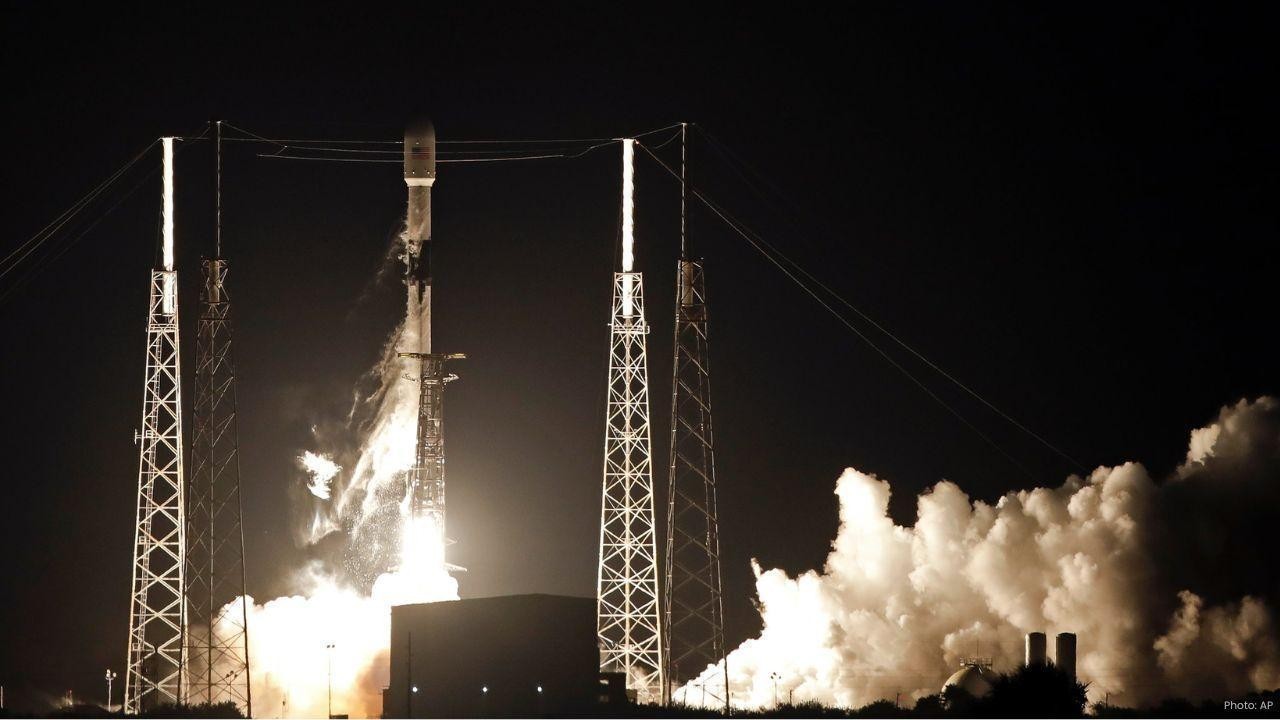
On August 22, 2025, SpaceX once again made history by successfully launching 24 Starlink satellites into orbit. The launch took place from Vandenberg Space Force Base, located along the scenic California coast. The mission was part of SpaceX's ongoing efforts to expand its Starlink internet network, which is currently the largest satellite constellation in the world. This launch is especially noteworthy because it involved a Falcon 9 rocket using a booster that had already flown and landed 16 times before, marking its 17th mission.
Falcon 9 Rocket Lifts Off
The Falcon 9 rocket carrying the 24 Starlink satellites lifted off at 1:04 p.m. Eastern Daylight Time (10:04 a.m. local time). This rocket has been a workhorse for SpaceX, known for its reliability and frequent reuse. The rocket soared gracefully into the clear blue sky above California, carrying the payload into space. People watching from nearby areas and online were treated to a spectacular display of power as the rocket climbed higher and higher, leaving a long plume of smoke trailing behind.
Stay informed with the latest news. Follow DXB News Network on WhatsApp Channel
Successful Booster Landing
After the first stage of the Falcon 9 rocket completed its main job of lifting the rocket through the lower atmosphere, it separated and returned to Earth. About 8.5 minutes after launch, the booster landed safely on SpaceX’s drone ship, “Of Course I Still Love You,” stationed in the Pacific Ocean. This booster, known as B1081, has proven its durability, completing its 17th mission. The ability to reuse boosters like this one helps SpaceX save time and reduce costs, making space travel more sustainable.
Upper Stage Deployment
Meanwhile, the upper stage of the Falcon 9 continued carrying the 24 Starlink satellites toward low Earth orbit. This stage is crucial because it ensures that the satellites are deployed at the correct altitude and trajectory. The satellites were expected to be released approximately 62.5 minutes after the initial liftoff, joining the existing Starlink network in space. The careful planning and precise timing of this stage show the high level of engineering and expertise that SpaceX brings to every launch.
The Starlink Network Expands
Once deployed, these 24 new satellites will join over 8,100 other operational Starlink satellites currently circling the Earth. Starlink is designed to provide high-speed internet access, especially in areas where traditional broadband is unavailable or unreliable. This launch highlights SpaceX’s ongoing commitment to improving global connectivity and expanding access to the internet for millions of people around the world.
A Busy Year for SpaceX
SpaceX has had an incredibly busy year in 2025. With this launch, the company has completed its 102nd Falcon 9 mission for the year. Interestingly, over 70% of these launches were dedicated to deploying Starlink satellites. In addition to the Starlink launches, SpaceX has also conducted test flights for its Starship rocket. Starship is a much larger vehicle than Falcon 9 and is designed to eventually carry humans to the Moon, Mars, and beyond. These tests are important steps toward Elon Musk’s vision of space exploration and making life multi-planetary.
Starship’s Upcoming Launch
SpaceX is preparing for another Starship flight scheduled for Sunday, August 24, 2025, at 7:30 p.m. Eastern Daylight Time. This will be the 10th flight of Starship since its debut in April 2023. Starship represents a major leap in space technology, and every test flight provides critical data that helps improve its design and performance. The upcoming launch is highly anticipated by both the space community and the public, as it moves humanity closer to long-term space exploration.
Previous Missions of Booster B1081
The Falcon 9 booster used for this mission, B1081, has an impressive history. It has previously flown in several important missions, including Crew-7, CRS-29, PACE, Transporter-10, EarthCARE, NROL-186, Transporter-13, and TRACERS, as well as eight previous Starlink missions. Each successful mission demonstrates SpaceX’s ability to reuse its rockets safely and efficiently. This milestone reflects the company’s dedication to innovation and sustainability in space travel.
The Technology Behind Starlink
Starlink satellites are designed to work together as a network, communicating with each other in orbit to provide fast and reliable internet coverage. The satellites are relatively small, but their impact is enormous, especially in remote areas where traditional internet infrastructure is limited. Each launch adds more capacity to the constellation, improving overall network speed and reducing latency. SpaceX continues to refine and upgrade Starlink technology to make it even more reliable for users worldwide.
Impact on Global Connectivity
The expansion of Starlink is expected to have significant impacts on global connectivity. By providing internet access in rural and underserved areas, Starlink can help bridge the digital divide. This can benefit students, businesses, and communities who struggle with slow or unavailable internet. Moreover, as SpaceX continues to launch more satellites, the coverage area grows, and the service becomes more robust and reliable.
Safety and Precision in Space Missions
SpaceX’s launches are known for their precision and safety. Every launch involves careful planning, simulations, and real-time monitoring. The Falcon 9 rockets are equipped with advanced guidance systems that allow them to follow exact flight paths and land accurately. Similarly, the deployment of Starlink satellites is carefully timed and controlled to ensure they reach the right orbit. These technologies showcase the high level of engineering skill and dedication of the SpaceX team.
A Bright Future for SpaceX
With each successful launch, SpaceX moves closer to its ambitious goals. The recent deployment of 24 Starlink satellites is another step toward building the world’s largest and most reliable satellite internet network. At the same time, the company continues to push the boundaries of space exploration with its Starship program. From reusing boosters like B1081 to expanding global internet access, SpaceX is shaping the future of space technology in ways that benefit people on Earth and beyond.
The successful launch from Vandenberg Space Force Base on August 22, 2025, not only strengthens the Starlink network but also demonstrates the incredible progress SpaceX has made in reusable rockets and satellite technology. As the company continues to innovate and explore new frontiers, millions around the world eagerly watch each mission, knowing that the age of space connectivity and exploration is rapidly unfolding.