DXB Airport Breaks Records: 92 Million Passengers & What’s Next for the World’s Busiest Hub
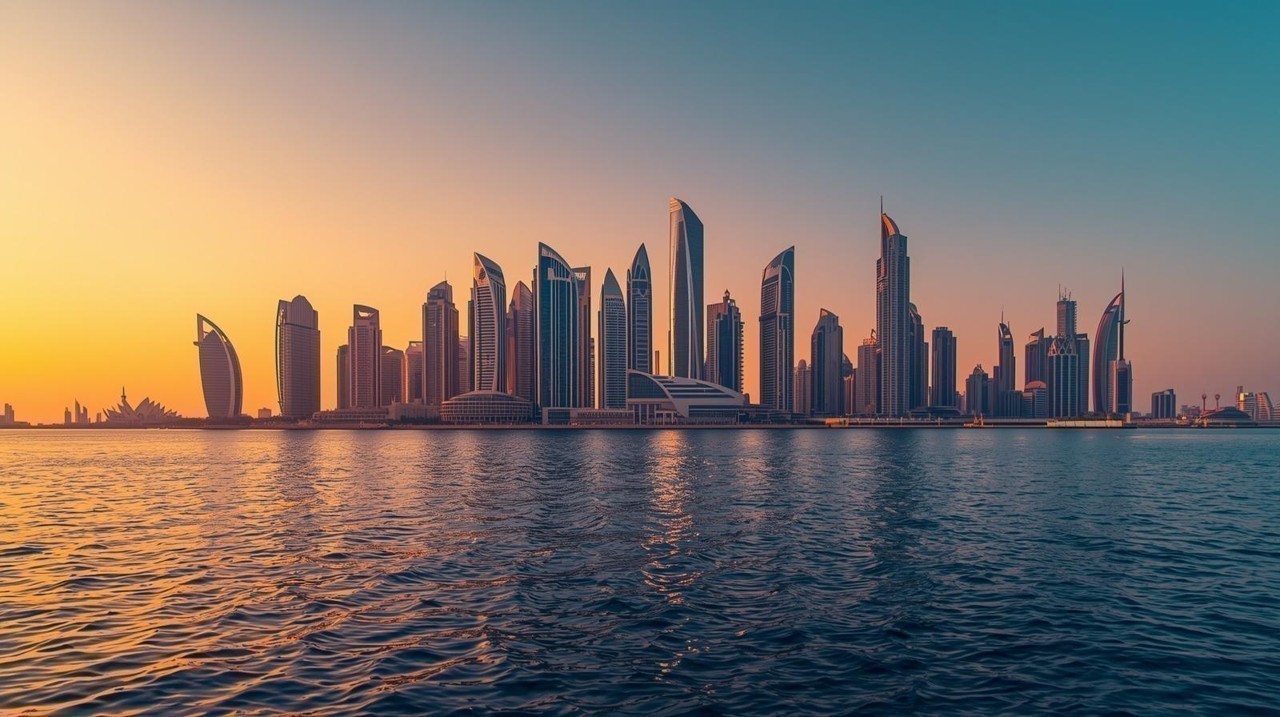
Dubai International Airport (DXB) has once again set new global benchmarks, welcoming over 92 million passengers in 2025, making it the busiest airport in the world for international travel. This remarkable achievement highlights Dubai’s position as a leading global aviation hub and showcases the city’s unwavering commitment to innovation, efficiency, and world-class passenger experience.
A Record-Breaking Year for DXB
After years of steady growth, 2025 became a milestone year for Dubai International Airport. According to recent data, DXB surpassed its pre-pandemic peak, with passenger volumes exceeding 92 million — a figure driven by increased global travel, tourism revival, and Dubai’s ever-expanding connectivity network.
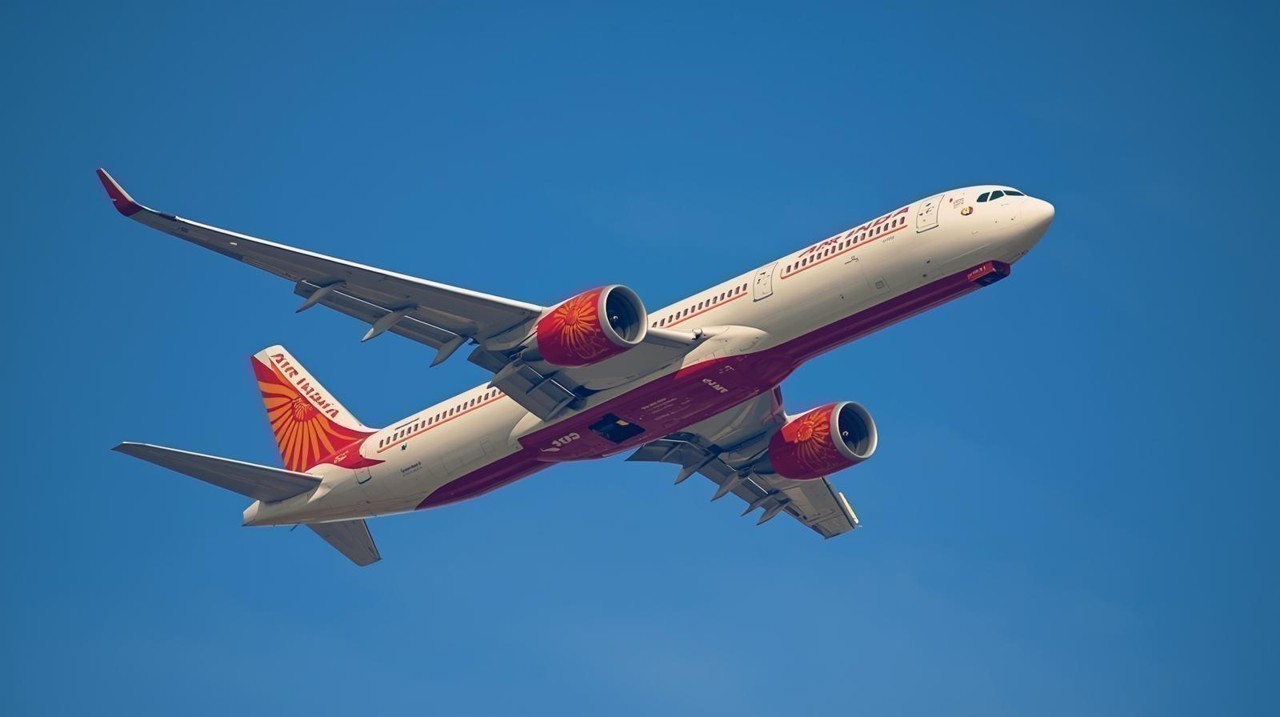
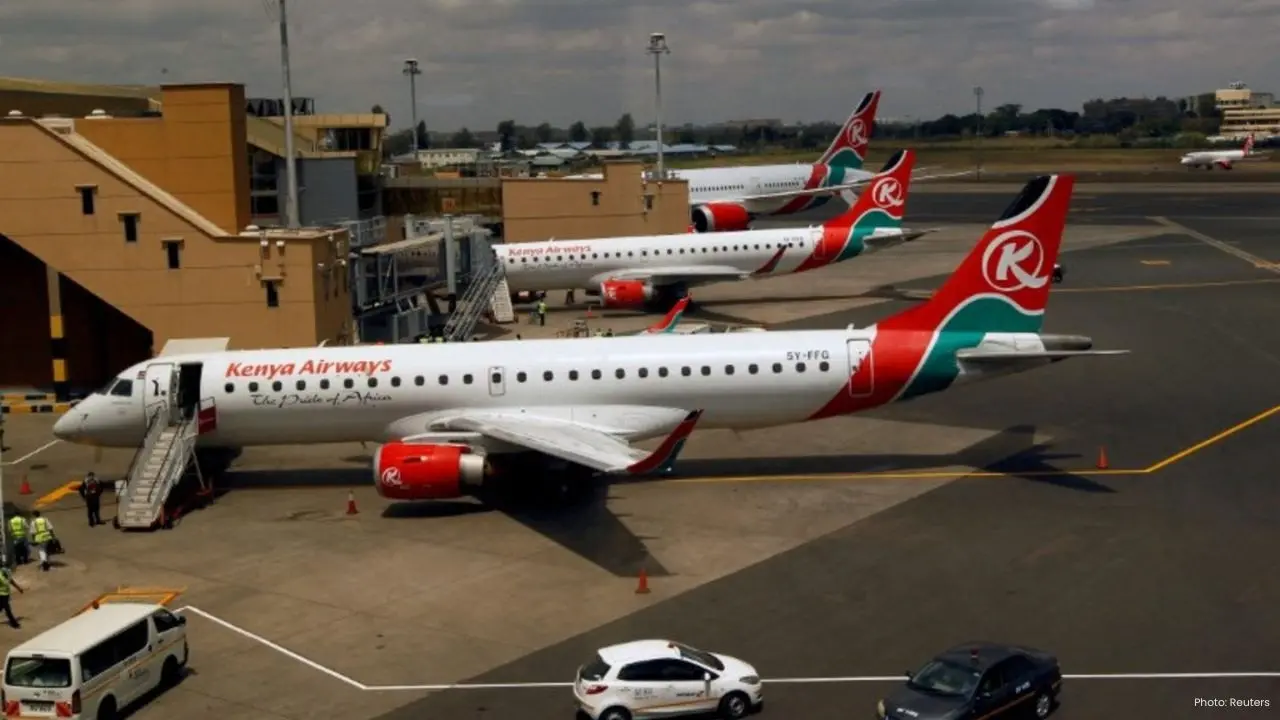
The airport’s performance in Q3 and Q4 of 2025 saw record-breaking monthly footfalls, especially during major global events and the peak holiday season. Emirates and flydubai, the two flagship carriers, played a crucial role in this growth by expanding their route networks to new destinations across Africa, Europe, and South America.
What’s Driving DXB’s Continued Success
1. Strategic Global Location
Dubai’s geographical position between the East and West makes it an ideal transit hub. The city serves as a bridge connecting over 240 destinations across six continents, with most travelers spending less than four hours in transit.
2. Expansion of Emirates and flydubai
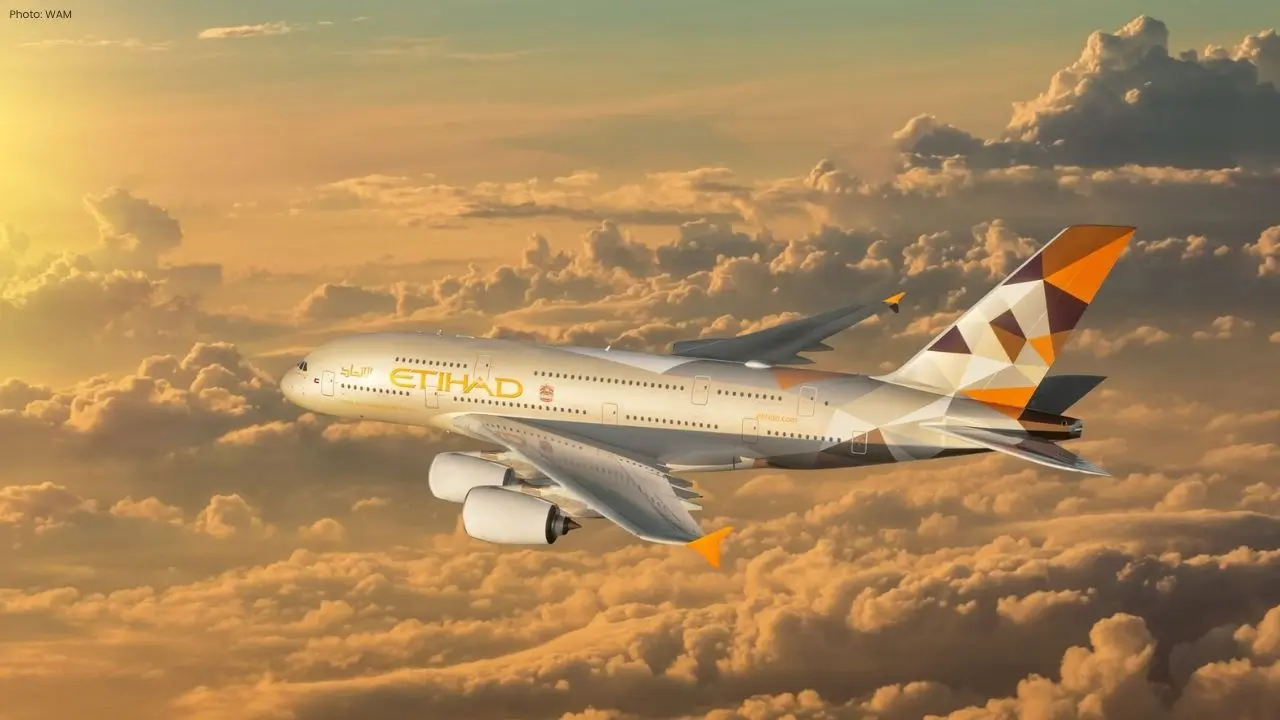
Both airlines have been aggressively expanding their fleets and routes. Emirates has introduced more sustainable aircraft, such as the Airbus A350 and Boeing 777X, while flydubai now covers emerging markets in Central Asia and Eastern Europe, attracting new passenger segments.
3. Tourism Boom
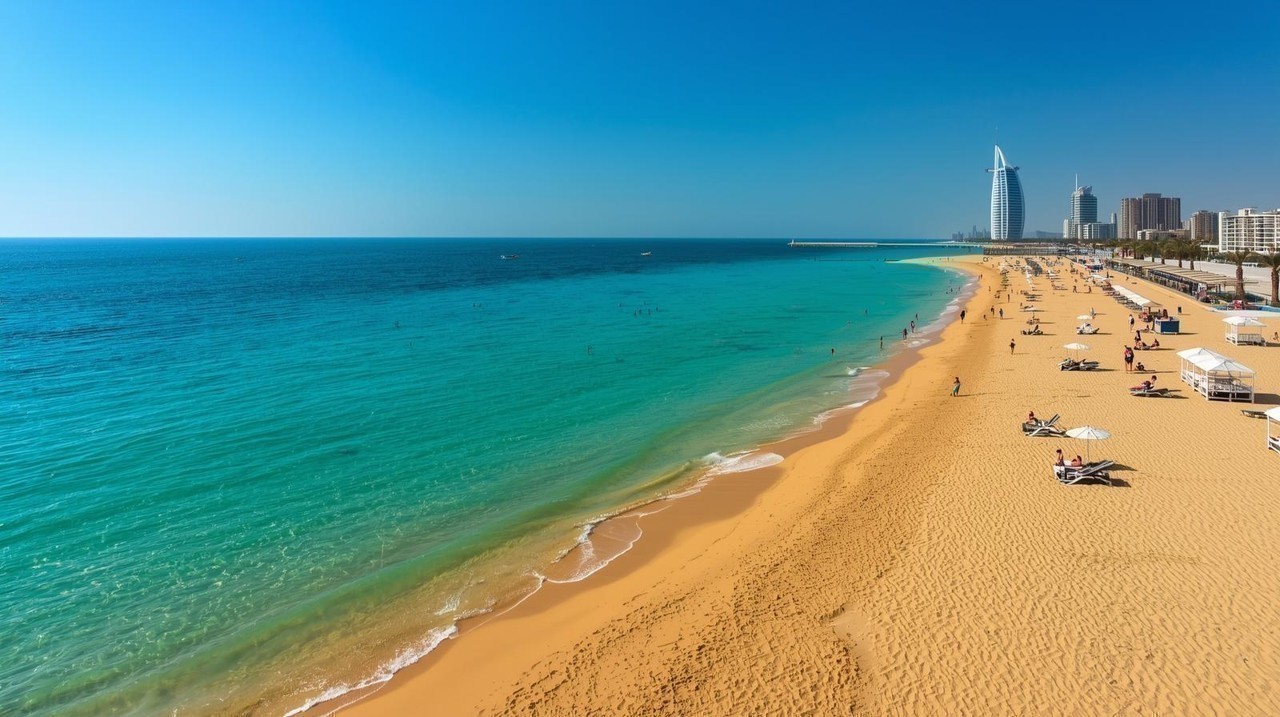
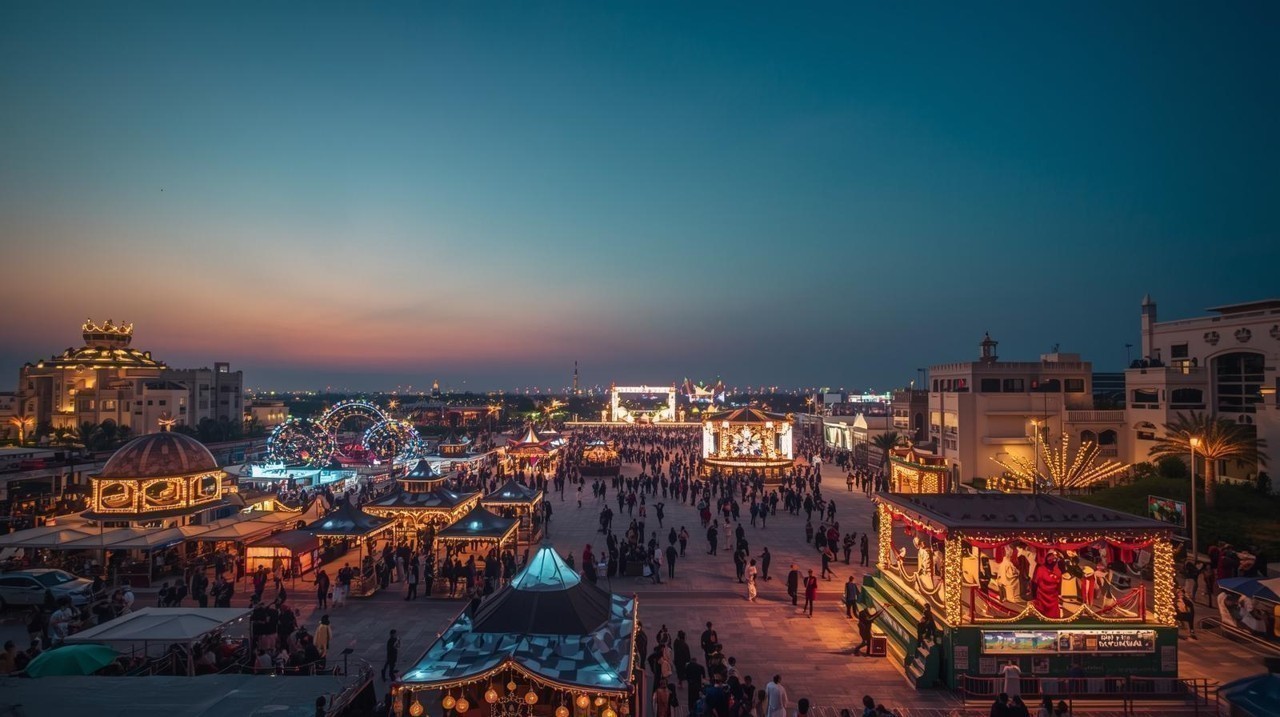
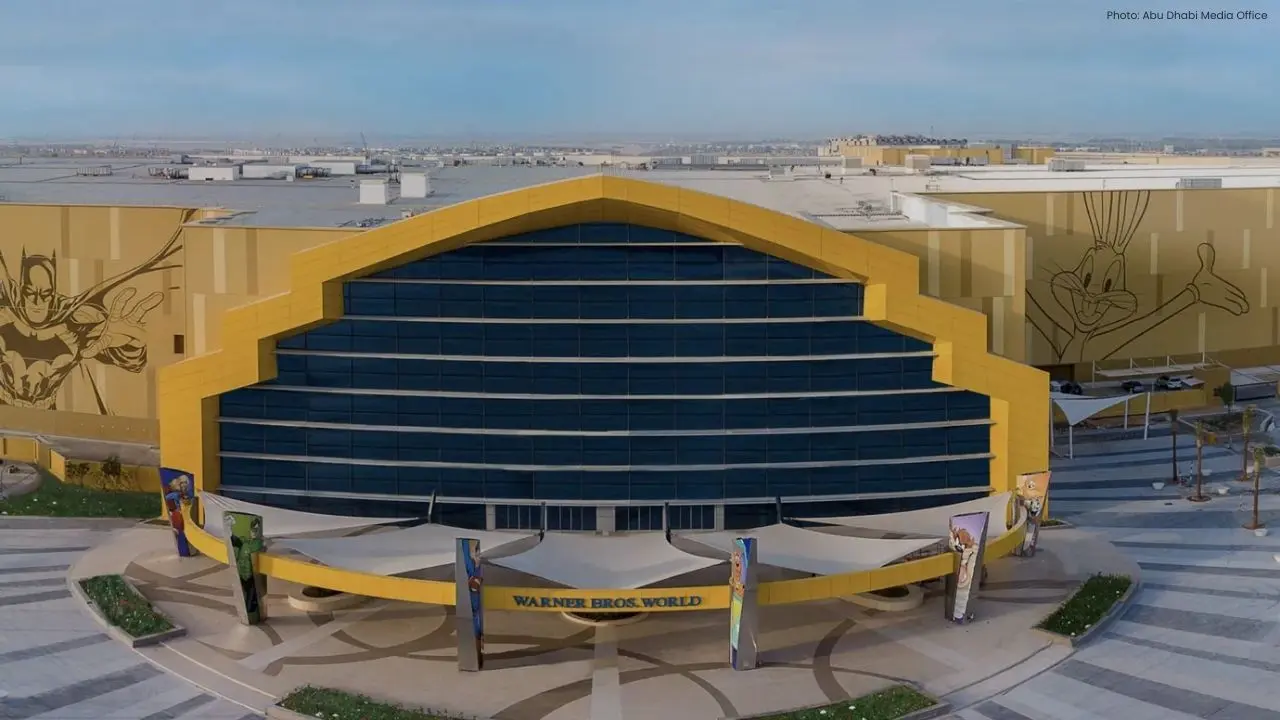
Dubai’s tourism initiatives, including “Dubai Destinations” and a surge in luxury and family-friendly attractions, have made the city a magnet for global travelers. The Dubai Shopping Festival, Expo City events, and new theme park launches have further boosted visitor numbers.
4. Technological Advancements
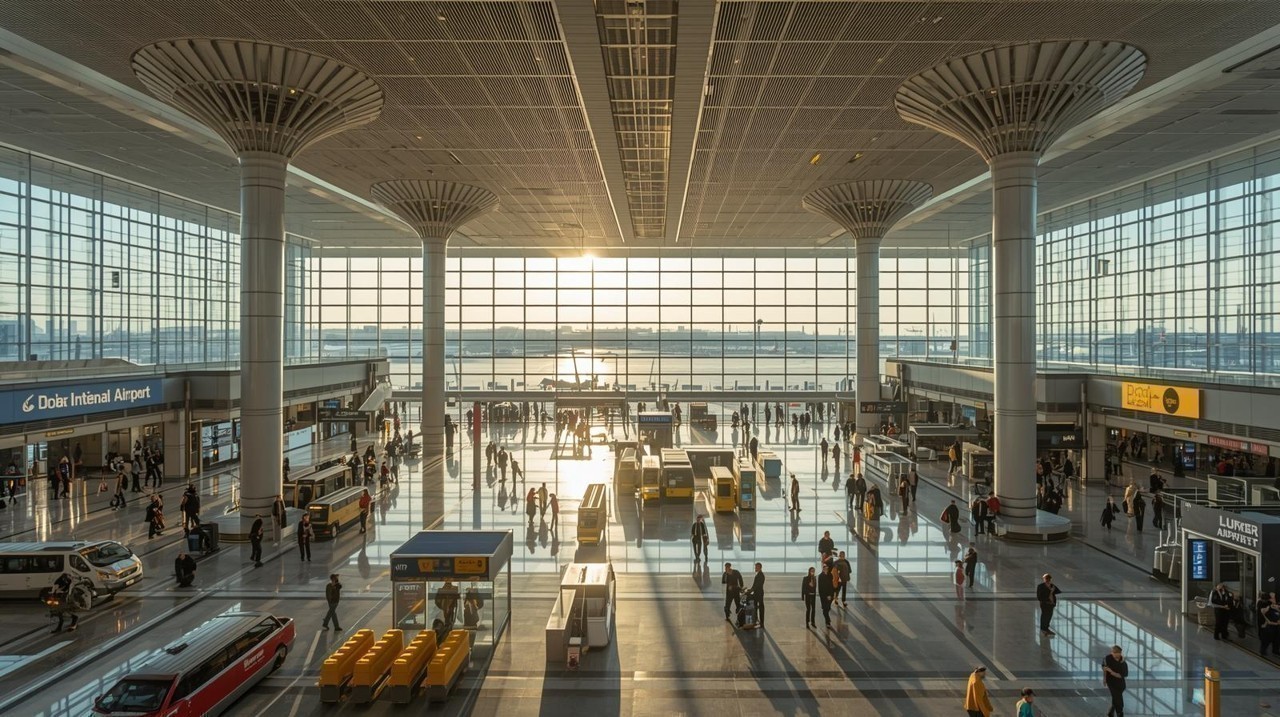
DXB has embraced cutting-edge technology to enhance efficiency and passenger comfort. Biometric boarding, AI-powered check-in counters, and smart baggage handling systems have reduced waiting times and improved overall airport flow.
5. Sustainability Push
Dubai Airports is also focusing on green initiatives — from solar panel installations to single-use plastic bans and electric ground vehicles. This aligns with the UAE’s broader “Net Zero 2050” vision, reinforcing DXB’s commitment to eco-friendly operations.
New Developments on the Horizon
While DXB continues to dominate global rankings, major plans are already underway for the next phase of its evolution.
1. Expansion of Terminal 3
Terminal 3, dedicated to Emirates, is undergoing a significant upgrade to increase passenger capacity and introduce more luxury lounges, sleep pods, and digital retail spaces.
2. Digital Transformation
By 2026, DXB aims to become one of the world’s first fully digital airports, using AI and blockchain for real-time flight data, seamless immigration, and contactless payments throughout the facility.
3. Al Maktoum International Airport (DWC) Development
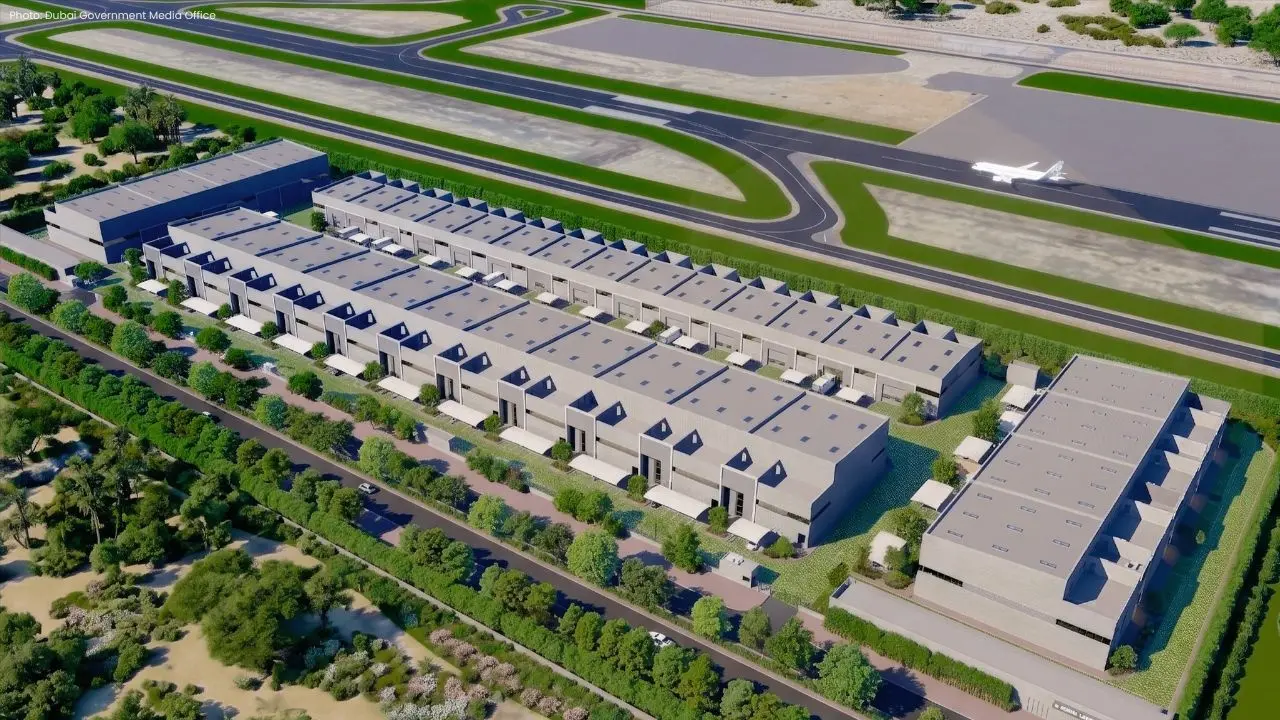
Work has resumed on Al Maktoum International Airport, Dubai’s future mega-airport designed to handle over 200 million passengers annually. Once complete, DWC will complement DXB and redefine the scale of global air travel.
Global Recognition and Awards
DXB’s performance hasn’t gone unnoticed. In 2025, it received multiple international accolades, including:
-
Skytrax Award for Best Airport in the Middle East
-
World’s Best Airport for International Connectivity (Air Transport Awards)
-
Best Digital Innovation in Aviation (Future Travel Experience Awards)
These recognitions reflect Dubai’s strategic vision to be not just a transportation hub but also a model of futuristic mobility and hospitality.
Impact on Dubai’s Economy
The success of DXB ripples across Dubai’s broader economy. The aviation sector contributes over 28% to the city’s GDP and supports more than 1 million jobs, directly and indirectly. As passenger numbers rise, hotels, restaurants, retail spaces, and logistics companies all benefit from increased demand.
Moreover, Dubai’s global exposure through DXB strengthens its appeal as a business, investment, and tourism destination, reinforcing its reputation as a city of endless opportunity.
What’s Next for Travelers
Travelers flying through DXB in the coming months can expect:
-
Faster immigration using biometric facial recognition.
-
More shopping and dining experiences, including luxury brands and local Emirati boutiques.
-
Expanded connectivity with new direct routes to Latin America and Central Asia.
-
Enhanced comfort through premium lounges and smart relaxation zones.
For frequent flyers, DXB aims to make travel not just efficient but effortlessly enjoyable — combining world-class luxury with unmatched convenience.
Conclusion
Dubai International Airport’s record-breaking milestone of 92 million passengers in 2025 is more than a number — it’s a testament to the city’s vision, leadership, and relentless pursuit of excellence. As Dubai continues to innovate and expand its aviation infrastructure, DXB is set to remain the heartbeat of global travel, connecting people, cultures, and economies for years to come.